
OpenAI launched ChatGPT Wallet on November 13, 2026, a feature that lets its “dots” agents complete a purchase for a user after the user approves it. The rollout is limited: for now it is open only to some ChatGPT Pro subscribers in the United States. Here is how it works, who can use it, and what OpenAI says is still missing.
What is ChatGPT Wallet?
Wallet is a payment layer for OpenAI’s agents. According to TechCrunch, a user asks a dot for help with a purchase, the dot helps decide what to buy, and then it completes the checkout. Users add an eligible card to Wallet once, so they do not have to type payment details for every order.
How does a purchase get approved?
Every purchase needs the user’s sign-off. Before an order goes through, the user reviews the items, the total and the selected card, then approves it with a security check such as Face ID or a fingerprint scan. Each approval creates a record of what the user authorized, and 9to5Mac quotes OpenAI saying “every purchase requires a security check.”
Does the agent see my card number?
No, according to OpenAI’s description of the feature. After approval, the card network issues a payment token that stands in for the card number, security code and expiry date. The token charges the selected card, so neither the agent nor the merchant receives the real card details. The agent still passes the merchant what it needs to fulfil the order, such as a shipping address and contact details.
OpenAI also says purchases keep the card’s existing rewards and the usual protections for eligible disputes. TestingCatalog adds that each purchase is directly between the customer and the merchant, which still controls pricing, fulfilment, returns and customer service. Banks and payment networks still evaluate each transaction.
Who can use it today?
- Plan: ChatGPT Pro subscribers only, in a limited rollout.
- Age and place: 18 or older and in the United States.
- Cards: a U.S.-issued Visa, Mastercard or American Express.
OpenAI describes the narrow start as a way to learn from real purchases and to work with businesses, banks and payment networks on compatibility and reliability. None of the three sources gives a date for wider or international availability, and none states a fee for using Wallet.
What is not available yet?
Wallet does not yet let an agent buy on its own. TechCrunch reports that spending limits, controls over purchase categories or time periods, and pre-approval of purchases are planned but not available. Those would let an agent act with more autonomy. Expansion to more supported retailers is also planned, and the TechCrunch report names no retail launch partners.
There are limits on the merchant side too. The feature does not work with websites that block agents, and TechCrunch notes that some retailers are doing exactly that; it names Amazon as the largest retailer to ban them, steering shoppers to its own assistant, Alexa. TestingCatalog says OpenAI is working with fraud-prevention companies Forter, Riskified, Sardine and Signifyd because existing risk systems can decline or cancel valid agent purchases.
What does it mean for merchants?
Businesses that want agent customers can use OpenAI’s Commerce Partner Playbook, TestingCatalog reports. It covers verifying a business identity, uploading product feeds with prices and availability, and recognizing signed agent requests through Web Bot Auth. OpenAI lists Adyen, Checkout.com and Stripe among its payment partners. TechCrunch adds that DoorDash and Uber have reported low numbers of orders placed by AI agents, so the business case is still being tested.
Should you turn it on?
If you are eligible, the practical points are simple: each order shows the merchant, items, total and card before you approve, the agent does not see your card number, and the dispute rights of your card still apply. Check the order summary carefully, because the approval is yours. Questions the launch material does not settle include how refunds, returns and agent mistakes are handled, so those are worth watching as the rollout widens.
Sources
- TechCrunch: ChatGPT’s new Wallet lets AI agents shop and check out for you
- 9to5Mac: OpenAI launches ChatGPT Wallet, enabling dot agents to make purchases
- TestingCatalog: OpenAI launches ChatGPT Wallet for agent purchases
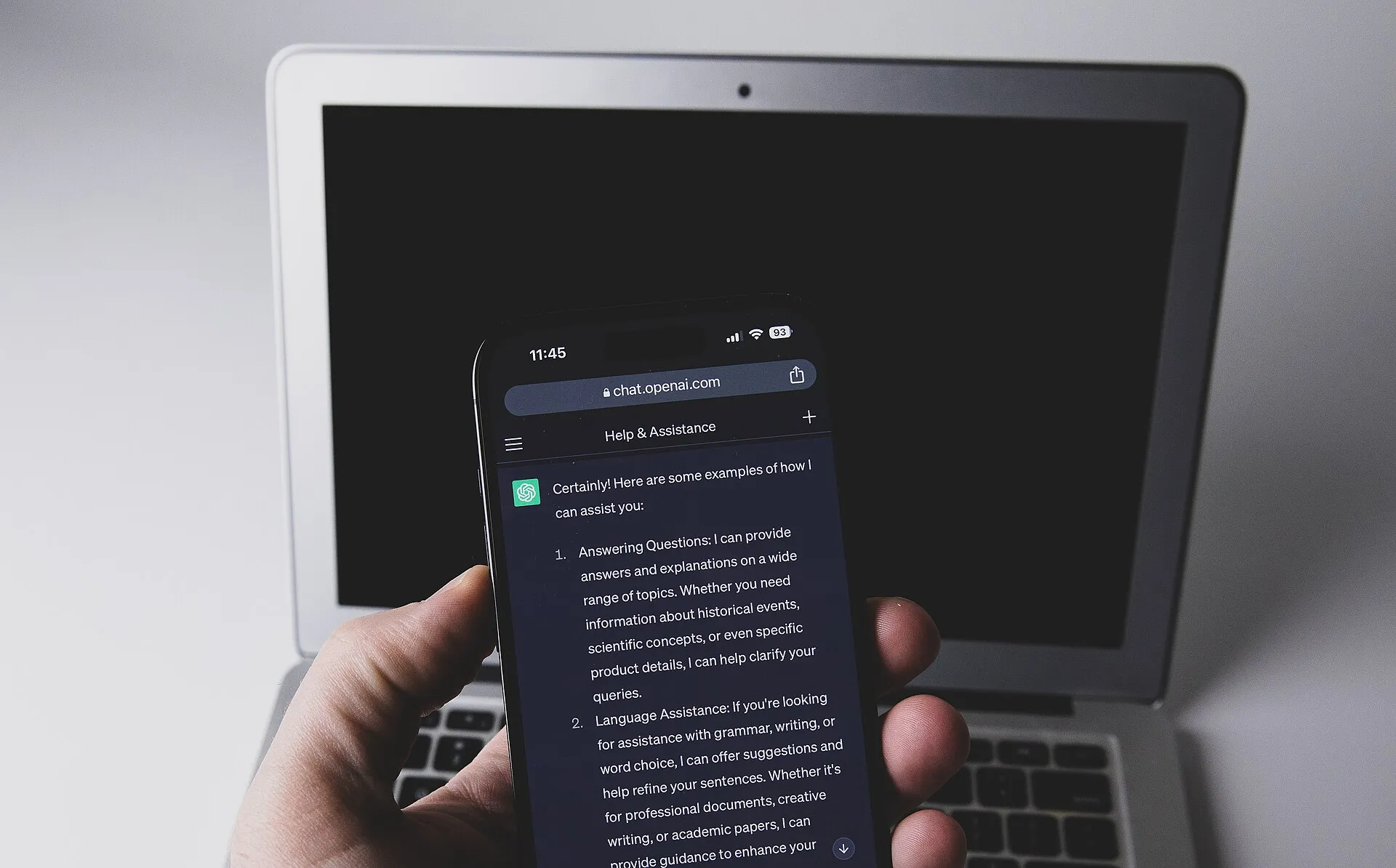
Image: Jernej Furman / CC BY 2.0 via Wikimedia Commons.
Like our coverage? Add stepphase.com as a preferred source on Google to see more of our stories in Top Stories.

, how card tokens work, what is missing.)