



 Saif Ali Tai
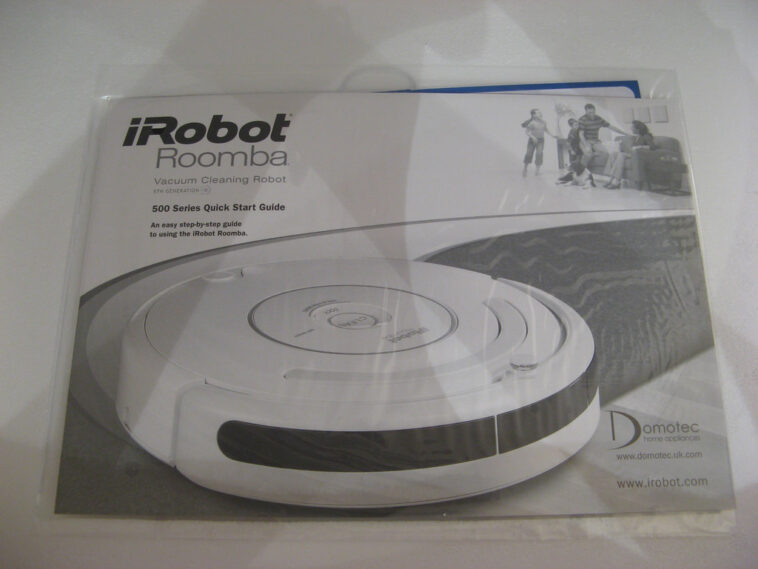
The robot revolution didn’t start with humanoid androids; it started with a plastic disc vacuuming your carpet in 2002. iRobot’s Roomba launched a massive shift in consumer robotics, moving from a $200 novelty to an essential smart home appliance. Today, we see these machines mapping entire floor plans with LiDAR and AI-based object avoidance. Understanding this trajectory is crucial for anyone building a modern home, as these devices now serve as the primary mobile sensors for your domestic environment.
📋 In This Article
The Early Days: From Novelty to Necessity

When iRobot released the original Roomba, it was basically a dumb bumper car. It bumped into a wall, turned, and hoped for the best. It cost $199, which was a lot for a machine that got stuck on every rug tassel in the house. Fast forward to 2026, and the Roomba j9+ is a completely different beast. With a $899 price tag, it uses PrecisionVision Navigation to dodge socks, cables, and pet waste. The shift from random bounce patterns to systematic VSLAM (Visual Simultaneous Localization and Mapping) is what turned this from a toy into a legitimate cleaning tool. I’ve tested dozens, and the difference in efficiency is night and day. You aren’t just buying a vacuum; you’re buying an automated maintenance system for your floors.
The jump from bumpers to LiDAR
Early models relied on tactile switches to detect obstacles. Modern flagships use advanced cameras and LiDAR sensors to map a 1,500-square-foot home in under 10 minutes. This data allows the robot to clean specific rooms on command, saving you time and battery cycles.
The AI Integration and Smart Home Synergy
The real robot revolution is happening in the cloud. Modern Roombas now integrate with GPT-4 and Gemini-powered smart home hubs to understand complex natural language commands. Instead of just pressing ‘clean,’ I tell my Google Home to ‘vacuum the kitchen after I finish cooking.’ The robots now share floor maps with other smart devices, creating a mesh of awareness. While some privacy advocates worry about cameras in the house, the convenience of having a vacuum that knows exactly where the dining table is located is hard to beat. It’s not just about the suction power; it’s about the integration that makes your home feel like a living, breathing assistant rather than just a collection of gadgets.
Privacy vs. Performance
Most high-end models now process image data locally on the robot’s processor. This ensures your floor plans stay private while allowing the robot to identify and avoid obstacles in real-time without needing a constant cloud connection.
Market Competition: iRobot vs. The World
iRobot essentially owned the market for a decade, but competitors like Roborock and Dreame have caught up fast. The Roborock S8 MaxV Ultra, retailing for around $1,799, offers features like hot water mop washing and auto-refilling that iRobot took years to match. This competition is great for us. Prices have stabilized, and features like self-emptying bins, which were once premium luxuries, are now standard on $400 mid-range models. If you’re shopping today, don’t just look at the brand name. Look at the maintenance costs, specifically the proprietary bags and filters. I’ve found that while the Roomba j9+ has the best software, the hardware maintenance costs can add up to $100 per year.
Why hardware longevity matters
A cheap robot is expensive if it breaks in six months. Look for models with swappable modular parts. Brands that sell replacement brushes, filters, and wheels directly on their site usually offer better long-term reliability.
What This Means for the Future of Household Robotics
We are currently in the ‘Roomba phase’ of household robotics. These vacuums are the pioneers of autonomous navigation. The tech developed here—path planning, obstacle avoidance, and battery management—is exactly what will power the next wave of home robots, including laundry folders and kitchen assistants. We are seeing a 15% year-over-year improvement in battery density for these robots, meaning less downtime at the charging dock. As these robots get smarter, they stop being vacuums and start being mobile platforms. The robot revolution is effectively the democratization of autonomous systems. It started with a floor cleaner, but it won’t end there. Expect to see this navigation tech in your next smart fridge or home security drone.
The next frontier: Dexterity
Navigation is solved, but manipulation is next. The next big jump in robot tech will be arms or grippers that can pick up toys or organize shelves, moving beyond just suction and mopping.
⭐ Pro Tips
- Always clear the floor of small cables before running a new robot, even if it claims ‘obstacle avoidance’ as it saves wear on the brushes.
- Save $50 by buying certified refurbished units directly from iRobot’s official eBay store rather than paying full MSRP for a new unit.
- Don’t ignore the side brushes; if they get bent, your vacuum will stop cleaning edges effectively—replace them every 6 months for $15.
Frequently Asked Questions
How long do robot vacuums actually last?
With proper maintenance, a high-end robot vacuum like a Roomba j9+ or Roborock S8 will last about 3 to 5 years before the battery or motor begins to degrade significantly.
Is a robot vacuum better than a cordless stick vacuum?
No. A robot is for daily maintenance, but a stick vacuum like the Dyson V15 is essential for deep cleaning carpets and corners that robots simply cannot reach effectively.
Are expensive robot vacuums worth the money?
Yes, if you value your time. Spending $800+ gets you auto-emptying and superior mapping, which reduces your interaction time to almost zero compared to cheaper, manual-empty models.
Final Thoughts
The robot revolution is already in your house, whether you know it or not. Roomba proved that automation can be simple, reliable, and actually useful. If you haven’t picked one up yet, the current market is the best it’s ever been for consumers. Grab a model that fits your floor plan, set it up, and stop wasting your weekends pushing a vacuum around. Keep an eye on the tech—things are moving fast.




GIPHY App Key not set. Please check settings