
OpenAI has launched Businesses in ChatGPT, a beta that lets companies claim a verified profile inside ChatGPT, see how often it mentions them, and, for eligible U.S. e-commerce and online-service firms, deploy an AI Business Agent that answers customer questions. The same agents can be sponsored through ChatGPT Ads. OpenAI announced it on Tuesday, November 10, according to The Next Web and AI Weekly. Here is how it works and what is still unclear.
Business Hub: claim a profile
Verified companies get a blue check and can update their details, prices and stock through a dashboard called Business Hub. It also shows how often ChatGPT mentions the business, how many people click through to its website and what topics come up in those conversations. OpenAI says it does not share users’ chats with businesses. OpenAI cites the 1.2 billion people who use ChatGPT each week as the audience for the beta.
The reporting is limited to ChatGPT. AI Weekly notes that third-party tools such as OtterlyAI and Peec AI track visibility across other AI platforms, and The Next Web says the launch could squeeze startups like Peec AI that estimate brand visibility in ChatGPT.
Business Agents
When a business appears in a ChatGPT answer, users can open its profile and chat with its agent. The agent answers using the company’s own product details. The conversation is labelled and kept separate from ChatGPT’s own answers. Business Agents are available only to eligible U.S. e-commerce and online-service businesses for now.
The rules for agents, as reported by The Next Web and AI Weekly:
- Agents must disclose that they are AI.
- They must keep prices accurate and avoid pressure tactics.
- Purchases and the sharing of personal data require the user’s explicit approval.
Checkout is not built into the chat yet. Buyers are sent to the brand’s own website, and OpenAI is developing agent payments with Visa, per both outlets.
Where ads come in
A business can sponsor its agent and use it as the landing spot for ChatGPT Ads. That builds on Sponsored Agents, which OpenAI began testing in September. OpenAI says paying does not change how often ChatGPT recommends a business, a statement both outlets attribute to the company (The Next Web cites a Digiday report). Both outlets also report that ChatGPT advertising passed a $1 billion annual run rate in August and covers 100,000 advertisers.
AI Weekly says this is OpenAI’s second commerce effort: a commission-based model was retired in March 2026, and OpenAI takes no transaction cut under the current merchant-controlled listings.
What it means for small businesses
- Neither outlet reports any fee for claiming a profile or running an agent, and neither gives pricing for sponsored agents, so check OpenAI’s terms before relying on it.
- If you sell online in the U.S., the profile is the place to keep prices and stock accurate, since ChatGPT may show them to shoppers.
- Outside the U.S., the agents are not yet available, and neither source says when they will be.
The launch came the same week OpenAI listed ChatGPT Enterprise on AWS Marketplace; see our guide to what buyers get from that listing.
What is still unknown
- What sponsored agents cost, and how placement is decided.
- When Business Agents will expand beyond U.S. e-commerce and online-service firms.
- How accurate the Business Hub mention and click data will be; OpenAI’s own announcement was not opened for this report, so details come from the two outlets above.
Sources
- The Next Web: OpenAI lets businesses claim ChatGPT profiles and launch their own agents (November 10)
- AI Weekly: OpenAI puts verified business profiles and agents in ChatGPT (November 10, updated November 11)
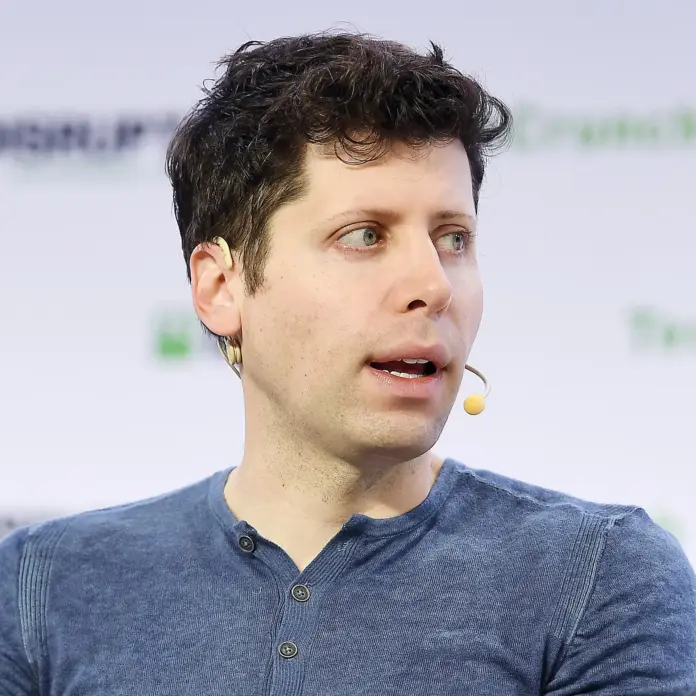
Image: “Sam Altman” by TechCrunch, CC BY 2.0, via Wikimedia Commons.
Like our coverage? Add stepphase.com as a preferred source on Google to see more of our stories in Top Stories.

