



 Saif Ali Tai
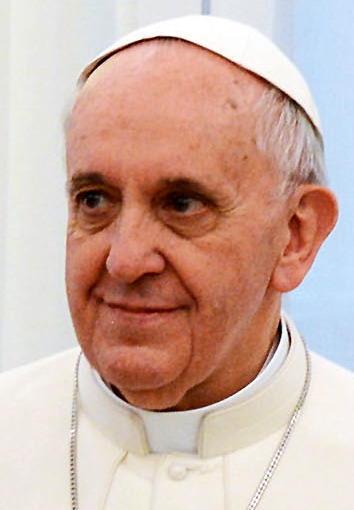
Pope Francis issued a powerful call today for humanity to remain ‘profoundly human’ as artificial intelligence continues its rapid integration into our lives. In a statement released by the Vatican, he emphasized the importance of preserving human dignity, empathy, and critical thinking in an era increasingly shaped by algorithms and automation. This isn’t just a moral plea; it’s a crucial reminder for tech developers and consumers alike to consider the ethical implications of AI and ensure it serves humanity, not the other way around.
📋 In This Article
The Vatican’s Stance: AI as a Tool, Not a Master

In his address, Pope Francis didn’t dismiss AI’s potential but framed it as a tool that must be guided by ethical principles. He specifically mentioned the need for transparency and accountability in AI development, urging global leaders and tech companies to prioritize human well-being over pure technological advancement or profit. This echoes concerns voiced by many ethicists and AI researchers who worry about unchecked AI development leading to job displacement, algorithmic bias, and a dehumanization of societal interactions. For instance, AI models like OpenAI’s GPT-4 and Google’s Gemini 2.0 are becoming more capable, but their societal impact requires careful consideration. The Pope’s message is a strong signal that the ethical guardrails need to be built now.
Ethical AI Development: A Moral Imperative
The Vatican’s statement highlights the growing demand for AI systems that are not only powerful but also fair and transparent. This means actively working to mitigate biases found in training data, which can perpetuate discrimination. For example, facial recognition systems have historically shown higher error rates for women and people of color. Companies developing these tools, like Microsoft with its Azure AI services, are under increasing pressure to address these issues before widespread deployment.
What ‘Profoundly Human’ Means in the Age of AI
The Pope’s emphasis on being ‘profoundly human’ points to core values that AI, at least in its current form, cannot replicate: genuine empathy, creativity rooted in lived experience, moral reasoning, and the capacity for deep connection. As AI tools become more integrated into our work and personal lives, from AI assistants managing our schedules to AI-powered diagnostic tools in healthcare, we risk outsourcing these uniquely human qualities. For instance, relying solely on AI for creative writing, like using tools such as Jasper or Copy.ai, might diminish our own writing skills over time. The Pope’s message is a call to consciously cultivate and prioritize these human attributes.
Preserving Empathy and Connection
In customer service, for example, AI chatbots are common, but the frustration of dealing with a non-empathetic bot is real. Companies like Amazon are investing heavily in AI, but the human touch in resolving complex customer issues remains vital. The Pope’s call is a reminder that efficiency should not come at the cost of human connection and understanding.
Impact on the Workforce: Augmentation vs. Automation
The Vatican’s call directly addresses the anxieties surrounding AI’s impact on jobs. While AI can automate repetitive tasks, freeing up humans for more complex work, there’s a palpable fear of mass unemployment. The Pope’s message champions a future where AI *augments* human capabilities rather than replaces them entirely. Think of AI tools like GitHub Copilot, which assists developers, or AI-powered analytics dashboards for marketers. These tools enhance productivity without eliminating the need for human oversight and strategic thinking. However, the transition requires significant investment in reskilling and upskilling the workforce, a challenge that governments and corporations must address proactively.
The Need for Reskilling and Upskilling
With AI adoption accelerating, roles requiring critical thinking, creativity, and emotional intelligence will become more valuable. For instance, while AI can draft legal documents, a lawyer’s judgment and client interaction skills are irreplaceable. Educational institutions and corporate training programs need to adapt quickly. A typical IT certification course now includes modules on AI ethics and prompt engineering, costing around $500-$1000.
Pope Francis’s message is a potent reminder that as AI technology, including advanced models like Claude 3.5 and future iterations, becomes more sophisticated, so too must our understanding and ethical framework. AI literacy – understanding how AI works, its capabilities, and its limitations – is becoming as crucial as digital literacy. This doesn’t mean everyone needs to become an AI engineer, but rather develop a critical awareness. The challenge is to integrate AI into society in a way that amplifies our humanity, fostering compassion, collaboration, and a commitment to the common good, rather than eroding them. It’s about ensuring that our technological progress serves our deepest human values.
AI Literacy for Everyone
Understanding basic AI concepts can demystify the technology and empower individuals. Resources are becoming more accessible, with many online courses offering introductory AI modules for free or under $100. This knowledge helps users engage with AI tools more effectively and critically, such as understanding how personalized ads are generated or how AI chatbots make decisions.
⭐ Pro Tips
- Actively seek out AI tools that *assist* rather than *replace* your core human skills. For example, use Grammarly’s advanced AI features to refine your writing, not to write for you.
- Invest in continuous learning. A $20/month subscription to a platform like Coursera or edX can provide access to courses on AI ethics and emerging technologies.
- Don’t blindly trust AI outputs. Always apply your own critical thinking and judgment, especially for important decisions in work or personal life.
Frequently Asked Questions
What did Pope Francis say about AI?
Pope Francis urged people to remain ‘profoundly human’ in the age of AI, emphasizing the need to preserve empathy, dignity, and critical thinking while developing and using AI.
Is AI bad according to the Pope?
No, the Pope sees AI as a tool. His concern is that its development and use must be guided by strong ethical principles to ensure it benefits humanity and doesn’t diminish human qualities.
How much does AI training cost?
Basic AI literacy courses can range from free online resources to paid certifications costing $500-$1000 for in-depth programs.
Final Thoughts
Pope Francis’s message is a vital compass for our technological journey. It’s a reminder that as AI capabilities expand, our commitment to human values must deepen. The real test isn’t how smart our machines become, but how wisely and compassionately we use them. My advice? Start by critically evaluating the AI tools you use daily. Ask yourself: does this amplify my humanity or diminish it? Let’s ensure our tech future is one that celebrates, not replaces, what makes us fundamentally human.




GIPHY App Key not set. Please check settings