



 Saif Ali Tai
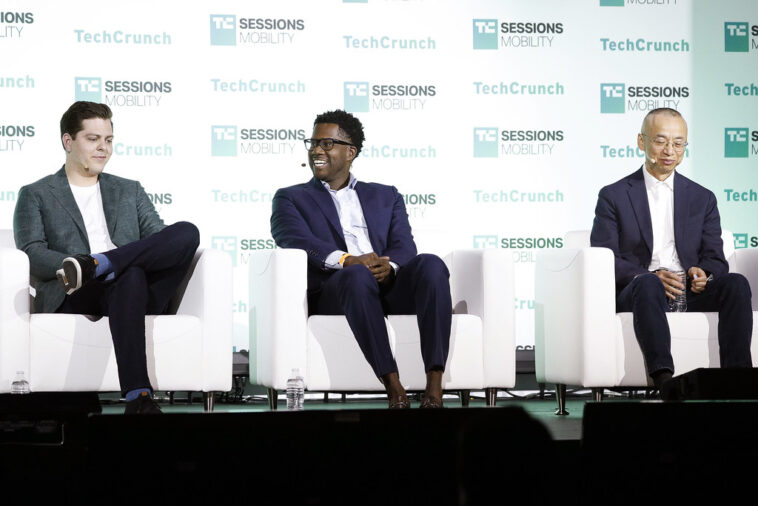
TechCrunch Mobility 2026 is shaping up to be a pivotal year, focusing heavily on the integration of AI into vehicle systems and the expansion of autonomous driving capabilities. Expect significant announcements regarding in-car AI assistants that go beyond simple voice commands, offering personalized route optimization and predictive maintenance. This year’s event will highlight how these advancements translate into tangible benefits for consumers, making travel safer, more efficient, and more enjoyable. It’s not just about cars anymore; it’s about the entire mobility ecosystem.
📋 In This Article
AI Takes the Wheel: Smarter Cars, Smarter Journeys

The biggest buzz at TechCrunch Mobility 2026 will undoubtedly be AI. We’re moving past basic infotainment. Think generative AI powering truly conversational in-car assistants, capable of understanding complex queries and proactively offering solutions. For instance, imagine your car’s AI suggesting a detour based on real-time traffic data, factoring in your calendar appointments and even your usual coffee preferences. Companies like Waymo and Cruise are expected to showcase enhanced AI driving systems, pushing the boundaries of Level 4 autonomy in select urban areas. Expect demonstrations of AI predicting component failures before they happen, potentially saving owners thousands in unexpected repairs. This isn’t science fiction; it’s the direction the industry is heading, with generative AI models like those powering Google’s Gemini 2.0 and OpenAI’s GPT-5 being integrated into vehicle platforms.
Personalized AI Assistants and Predictive Maintenance
Forget clunky voice commands. The new wave of AI assistants will learn your habits, anticipate your needs, and provide seamless integration with your digital life. Expect AI to manage charging schedules for EVs based on your typical usage and electricity prices, and to pre-condition your cabin for optimal comfort. Predictive maintenance, powered by AI analyzing sensor data, could reduce unexpected breakdowns by up to 30% for compatible vehicles.
The Autonomous Driving Frontier: Progress and Practicality
While fully driverless cars for everyone are still a ways off, TechCrunch Mobility 2026 will feature substantial updates on autonomous driving technology. We’ll see more advanced driver-assistance systems (ADAS) becoming standard, offering features like predictive lane centering and automated emergency braking that are far more sophisticated than current offerings. Companies like Tesla will likely demonstrate further refinements to their Full Self-Driving (FSD) Beta, aiming for wider public testing. Expect discussions around the regulatory hurdles and the ethical considerations that still need to be addressed before widespread adoption. The focus will be on incremental improvements that enhance safety and convenience for drivers today, rather than a complete handover of control.
ADAS Evolution: Safety Beyond Basic Cruise Control
Advanced Driver-Assistance Systems are no longer just optional extras. Expect features like enhanced adaptive cruise control that can navigate complex intersections and automated parking solutions that are faster and more reliable. These systems, often costing an additional $2,000-$5,000 on new vehicles, are becoming critical selling points.
Electric Vehicle Innovation: Range, Charging, and Infrastructure
EVs continue to dominate the conversation, and 2026 is no different. Expect to see breakthroughs in battery technology promising longer ranges – perhaps pushing past the 400-mile mark for mainstream sedans – and faster charging times, with some manufacturers aiming for 200 miles of range in under 15 minutes. The real story, however, will be infrastructure. Discussions will center on the rollout of more reliable, faster charging networks, including bidirectional charging capabilities that allow EVs to power homes or the grid. Companies like ChargePoint and Electrify America will be showcasing their latest hardware and software solutions designed to alleviate range anxiety. We’ll also see more affordable EV models entering the market, aiming to bring the average transaction price closer to that of comparable gasoline cars.
Battery Tech and Charging Speed Updates
Solid-state battery prototypes might make an appearance, hinting at future vehicles with significantly improved energy density and safety. Fast-charging technology is also advancing, with some charging stations now capable of delivering over 350 kW, drastically reducing pit-stop times for long journeys.
Connectivity and the Software-Defined Vehicle
The car is becoming a connected device, and TechCrunch Mobility 2026 will emphasize the software that defines the modern vehicle. Over-the-air (OTA) updates are becoming standard, allowing manufacturers to improve performance, add features, and fix bugs remotely, much like your smartphone. Expect to hear about new subscription services for advanced features, a trend that’s proving lucrative but also controversial for consumers. Vehicle operating systems are evolving, with companies like Apple and Google pushing their in-car platforms, offering a more integrated and familiar user experience. This software-centric approach means your car’s capabilities can evolve long after you’ve driven it off the lot.
OTA Updates and Subscription Models
OTA updates are revolutionizing car ownership, enabling continuous improvement. However, the rise of subscription services for features like heated seats or enhanced performance, which can add $10-$30 per month, is a point of contention for many buyers seeking a one-time purchase.
⭐ Pro Tips
- Before attending TechCrunch Mobility 2026, research companies like NVIDIA (for AI chips) and Qualcomm (for automotive connectivity) as they are key enablers.
- Look for deals on current EV models; often, new announcements lead to discounts on outgoing inventory, potentially saving you thousands.
- Don’t get overwhelmed by the tech jargon. Focus on how new features will practically improve your daily commute or travel experience.
Frequently Asked Questions
What are the key themes for TechCrunch Mobility 2026?
The main themes are AI integration in vehicles, advancements in autonomous driving, electric vehicle technology (range, charging), and the evolution of connected, software-defined cars.
Is TechCrunch Mobility 2026 worth attending for consumers?
For consumers interested in the future of transportation, yes. It offers insights into upcoming technologies that will shape your driving experience, from AI assistants to EV charging solutions.
How much does it cost to attend TechCrunch Mobility 2026?
Typically, TechCrunch event passes range from $500 for early-bird access to over $1,000 for standard admission, not including travel and accommodation.
Final Thoughts
TechCrunch Mobility 2026 is set to underscore a significant shift towards intelligent, connected, and increasingly autonomous transportation. The focus on AI and software will redefine what we expect from our vehicles. My advice? Pay close attention to how these technologies are being implemented practically. Don’t just chase the hype; look for solutions that genuinely enhance safety, efficiency, and your overall driving pleasure. Stay tuned to TechCrunch for all the breaking news and analysis from the event.




GIPHY App Key not set. Please check settings