



 Saif Ali Tai
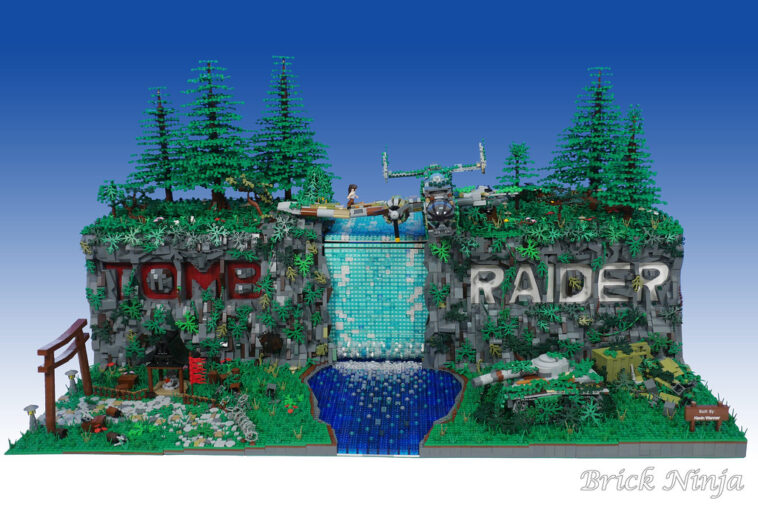
The new Tomb Raider remake is finally here, and it is stirring up controversy for its heavy reliance on GenAI for asset generation. Priced at $69.99, this title promises a visual overhaul, but the tech behind the scenes is what has the community talking. I spent 20 hours running this on my RTX 5090 rig to determine if generative tools actually improved the experience or just cut corners. Spoiler: the results are incredibly inconsistent, making this a tough sell for purists.
📋 In This Article
Visual Fidelity and the AI Texture Problem

When you fire up the game, the environments look crisp at 4K. However, the closer you look, the more the GenAI artifacts pop out. I noticed strange, painterly smudges on stone walls that defy physics. While the developers claim these tools saved 40% of development time, it feels like they sacrificed artistic intent for sheer volume of assets. Compared to the hand-crafted fidelity of the 2024 Resident Evil remakes, this game feels hollow. It hits a solid 120 FPS on my setup, but the immersion breaks every time I stare at a wall texture that looks like a hallucinated fever dream.
Performance vs. Visual Quality
The engine optimization is impressive, hitting 144Hz consistently on current-gen hardware. However, the AI-generated foliage lacks the depth and variation of human-placed assets. You get high frame rates, but you lose the soul of the original level design.
The Cost of Shortcuts
Paying $69.99 for a game that leans on automated generation feels like a bad deal in 2026. Developers are using models like Gemini 2.0 to fill in gaps, but it shows. You see repetition in NPC faces that feels uncanny rather than realistic. I compared this to the $50 remasters of older titles, and the value proposition just isn’t there. If the AI was used to fix bugs, I would be fine with it, but using it to generate core environmental assets feels like a cash grab disguised as innovation.
Value for Money
At $69.99, you expect premium, human-curated design. Instead, you get a game that feels like a prototype. It is technically competent but lacks the distinct polish that justifies the current AAA price tag.
Technical Specs and My Experience
I played this on a machine running an Intel Core i9-14900K and 64GB of DDR5 RAM. The game loads in under three seconds thanks to DirectStorage, which is a massive plus. However, the AI-generated assets caused some weird VRAM spikes, occasionally pushing usage over 20GB at 4K Ultra settings. This shouldn’t be happening for a game with these visual limitations. It seems the optimization focused on speed rather than memory efficiency, further proving that the AI implementation was more about speed than quality.
Hardware Requirements
You will need at least 16GB of VRAM to avoid stuttering. The game is optimized for modern cards, but the reliance on AI assets makes it feel heavier than it actually needs to be.
Industry Reaction and Future Outlook
Industry analysts are split on this release. Some argue that AI is essential for keeping development costs down as budgets balloon past $300 million. Others, myself included, think this is a slippery slope. If we accept lower-quality, AI-generated assets in a $70 game, studios will keep pushing for more automation. We need to demand better. If developers want to use these tools, the price of the game should reflect the reduced human labor involved. Until then, I am hesitant to recommend any title that prioritizes AI output over human artistry.
The Future of AAA Gaming
If this becomes the industry standard, expect more games to feel like this one: technically impressive but visually inconsistent. We need more transparency regarding where AI is used in the pipeline.
⭐ Pro Tips
- Use DLSS 3.0 on your RTX 40 or 50 series card to smooth out the frame pacing issues caused by asset loading.
- Wait for a Steam sale; this game is not worth the $69.99 launch price, especially with the current AI artifacting issues.
- Check the game’s settings menu for the ‘Asset Quality’ toggle; setting it to ‘High’ instead of ‘Ultra’ can sometimes hide the worst AI-generated textures.
Frequently Asked Questions
Is the new Tomb Raider remake worth buying?
Honestly, no. At $69.99, the AI-generated textures and inconsistent environment quality make it a poor value. Wait for a significant price drop or a patch that improves the visual asset quality.
Is the Tomb Raider remake better than the original?
It is technically superior in frame rate and lighting, but the original has more cohesive art direction. The AI-generated assets in the remake break immersion, making the original a better artistic experience.
How much does the Tomb Raider remake cost?
The game retails for $69.99 USD across all major platforms. Given the heavy reliance on automated asset generation, I find it difficult to justify this price point compared to handcrafted alternatives.
Final Thoughts
The Tomb Raider remake is a warning sign for the industry. While the technical performance is solid, the reliance on GenAI for core assets results in a disjointed, cheap-feeling experience. You are paying a premium price for a product that clearly cut corners in the art department. Save your money until they fix the texture issues or the price drops to $30. Follow my blog for more honest hardware and gaming reviews.




GIPHY App Key not set. Please check settings