



 Saif Ali Tai
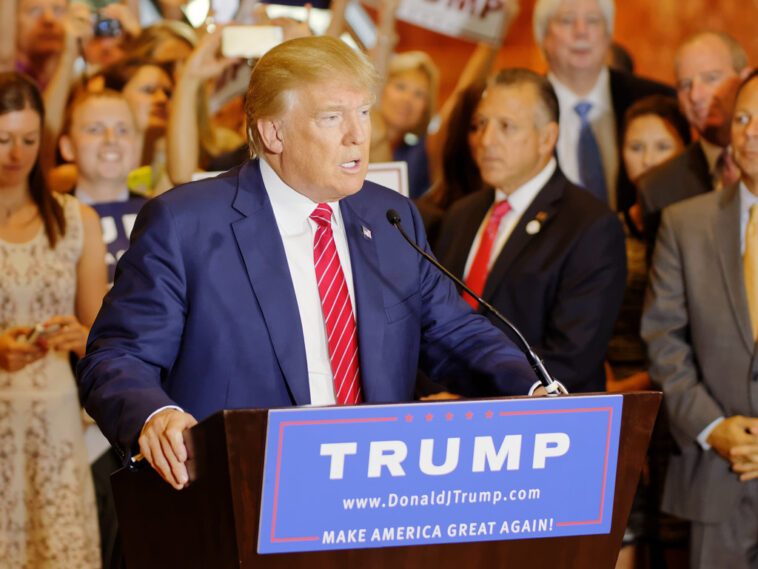
President Trump signed a scaled-back AI cybersecurity order this week, signaling a massive pivot in how the federal government handles model oversight. By rolling back the stringent reporting requirements implemented in 2024, the administration aims to accelerate AI development in the US. For you, this means less friction for companies like OpenAI and Google, but it also raises real questions about the transparency of the models powering your iPhone 16 or Galaxy S25. I am looking at what this shift actually changes.
📋 In This Article
The Shift from Mandatory Reporting to Voluntary Guidelines

The new directive effectively guts the mandatory safety testing requirements for models exceeding 10^26 floating-point operations. Previously, firms had to share their security red-teaming results with the Department of Commerce. Now, those disclosures are largely voluntary. This is a huge win for startups struggling with the $500,000 to $2 million estimated annual compliance cost. However, as someone who spends hours debugging code, I find the lack of mandatory ‘black box’ testing concerning. If a model like Gemini 2.0 or Claude 3.5 has a vulnerability, we are now relying on the company’s good faith to report it rather than a federal mandate. This is a high-stakes gamble that prioritizes market speed over verified safety benchmarks.
Compliance Costs vs. Security
The compliance burden was previously stalling smaller AI labs. By removing these hurdles, we might see cheaper, more specialized models hit the market. However, the trade-off is clear: the safety floor for enterprise-grade AI has effectively been lowered. If you are running a business, you now need to perform your own due diligence on the security protocols of the AI tools you integrate into your stack.
Impact on Consumer Data and Model Trust
For the average user, this order might feel like a non-event, but it changes how your data is handled. With fewer federal eyes on model training pipelines, the burden of data privacy shifts heavily toward the user. If you use AI-integrated features in iOS 19 or the latest Android patches, you are trusting the vendor’s internal privacy policy more than ever. I suggest sticking to models that offer local processing, like the on-device features found in the Pixel 9 Pro. These models minimize the amount of sensitive data sent to the cloud, which is the safest path forward in a world where federal oversight is shrinking.
On-device vs. Cloud AI
The best way to protect yourself is to prioritize on-device AI. Models running on the Tensor G4 or A18 Pro chips are inherently more private because your data never hits a server. As oversight wanes, avoid feeding sensitive personal or business data into public cloud models that might have bypassed recent security audits.
Market Reaction and Industry Outlook
Tech stocks rallied slightly following the announcement, with NVIDIA and Microsoft seeing a 2.5% bump. Investors clearly like the deregulation, viewing it as a way to maintain dominance over EU competitors who are still locked under the strict AI Act. Industry observers suggest this will spark a new wave of venture capital investment in US-based AI labs. From my perspective, this is a double-edged sword. While it keeps the US competitive, it creates a ‘wild west’ environment for model development. If a major model failure occurs, expect a massive public backlash that could lead to even more restrictive laws later on.
The Global Competitiveness Argument
The administration argues that strict oversight was pushing talent to other countries. By cutting the red tape, the US hopes to keep the best engineers here. Whether that justifies the potential security risks is the big question for the rest of 2026.
What This Means for Your Tech Stack
If you are a developer or a power user, my advice is to tighten your own security. Don’t rely on the government to ensure the AI you use is ‘safe.’ Use tools that support local execution, such as Ollama for running open-weights models like Llama 3 or Mistral locally on your hardware. If you are paying $20/month for a premium subscription to ChatGPT or Claude, keep an eye on their transparency reports. Even if the government doesn’t require them, companies that value their reputation will continue to publish them. Vote with your wallet by supporting firms that maintain high security standards.
Tools for Local AI
Look into tools like LM Studio or Ollama to run models locally. It costs $0 in subscriptions, though it does require a GPU with at least 12GB of VRAM for decent performance. This is the only way to ensure 100% data privacy.
⭐ Pro Tips
- Use a local LLM runner like Ollama to keep your data private; it works best with at least 16GB of RAM and an NVIDIA RTX 4070 or better.
- Save $240 a year by switching from a paid cloud AI tier to locally hosted open-source models if your hardware can handle it.
- Never input sensitive company secrets into a web-based AI chat box, regardless of current federal regulations.
Frequently Asked Questions
Does the new AI order affect my ChatGPT account?
No, it doesn’t change your personal account. It changes the reporting requirements for the companies training the models, which could impact future updates, security patches, and the way those models handle your data.
Is the new AI order better for tech security?
It depends on your perspective. It is better for speed and innovation, but worse for security. Less mandatory oversight means companies might rush to release models without thorough, independently verified safety testing.
How much does AI compliance cost companies?
Analysts estimate that strict compliance with the previous federal guidelines cost larger AI labs between $500,000 and $2 million annually in auditing, testing, and legal documentation fees.
Final Thoughts
The move to scale back AI cybersecurity rules is a clear bet on American speed over caution. While it might help the US maintain its lead in the AI race, the responsibility for data safety now sits squarely on your shoulders. Stay skeptical of ‘black box’ tools, prioritize local processing whenever possible, and keep your sensitive data off the cloud. Make sure to subscribe to my newsletter for more updates on how this policy shift plays out.



GIPHY App Key not set. Please check settings