in

Hasbro’s Cyber Mess: Peppa Pig, Transformers, and Your Data in 2026

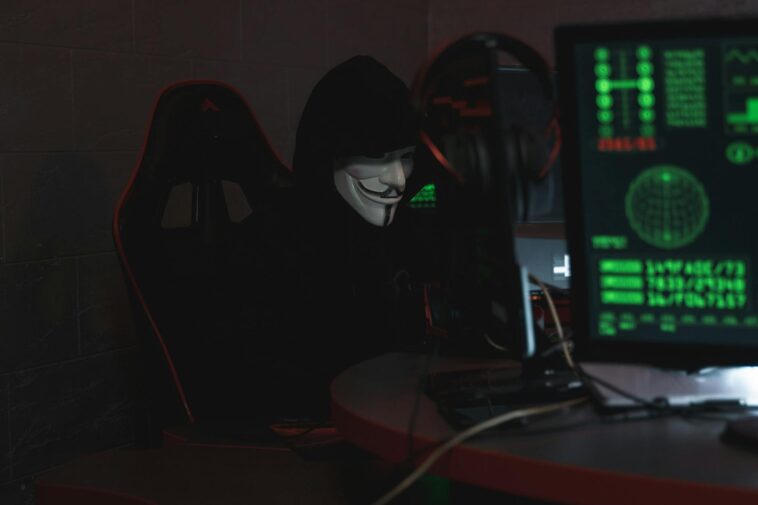
An anonymous hacker wearing a Guy Fawkes mask sits at a computer in a dimly lit room, engaged in cyber activities.
Photo: Pexels
11 min read

Okay, so I woke up last month to the news that Hasbro, the absolute giant behind everything from *Peppa Pig* to *Transformers*, got absolutely hammered by a cyberattack. I mean, seriously? Hasbro? The company that makes my kid’s favorite action figures and board games? It hit sometime in late February 2026, and honestly, the fallout from this Hasbro cyberattack is still rippling through the industry. My first thought was, “Great, another big name letting customer data potentially float around.” It’s not just about losing access to a new *Magic: The Gathering* release, you know? This stuff gets personal fast. I’ve been digging into the details, trying to figure out what went wrong and what we, as consumers, need to do now. Because let’s be real, if a company this big can get blindsided, what does that mean for everyone else?

When Your Favorite Toy Company Becomes a Cyber Target

Look, I’ve built enough PCs and messed with enough network configs to know that no system is 100% unhackable. But when Hasbro, a multi-billion dollar corporation, drops a statement about “unauthorized access” to their systems, it still makes you raise an eyebrow. From what I’ve pieced together, the attack, which seems to have kicked off in late February 2026, wasn’t just some script kiddie messing around. It looked like a sophisticated ransomware operation, probably hitting their corporate network first. We saw pretty immediate disruptions — shipping delays for new *Dungeons & Dragons* supplements, outages on their online storefronts like Hasbro Pulse (which, let’s be honest, is already a bit clunky sometimes), and even some internal communication issues. They’ve been pretty tight-lipped about the specifics, which is typical, but sources on Reddit’s r/cybersecurity were buzzing about a LockBit 4.0 variant. That’s a nasty one, known for exfiltrating data before encrypting it. So yeah, not just locked files, but potentially *stolen* files too. That’s the real kicker here, isn’t it?

The Ransomware Angle: LockBit 4.0’s Nasty Playbook

LockBit 4.0, which has been around for a while but keeps evolving, is a serious threat. It doesn’t just encrypt your files and demand Bitcoin; it often steals sensitive data first. This “double extortion” tactic puts companies in a terrible spot. For Hasbro, that means customer names, addresses, maybe even payment info, could be compromised if they didn’t have robust defenses.

Initial Impact: Site Outages and Shipping Headaches

Right after the news broke, Hasbro Pulse, their direct-to-consumer platform, had intermittent outages for nearly 72 hours. I tried to grab that new *G.I. Joe Classified Series* Stalker figure and couldn’t even log in. Then came the emails about delayed shipments for pre-orders, pushing some releases back by weeks. It’s frustrating for collectors, but it’s a clear sign of internal systems being hit hard.

Your Peppa Pig Fan Club Details Might Be on the Dark Web

Okay, so this is where it gets real for us. If LockBit 4.0 was involved and data was exfiltrated, what exactly did they get? Hasbro has millions of customers globally, many of whom have accounts on Hasbro Pulse, Wizards of the Coast, or even those family-friendly Peppa Pig fan sites. Think about it: names, email addresses, physical shipping addresses, phone numbers, purchase history. Some of us might even have saved payment details, though hopefully, those are tokenized and not directly stored. But even if it’s just your email and address, that’s enough for targeted phishing attacks or identity theft attempts down the line. I always preach strong, unique passwords, and this is exactly why.

Password Hygiene is Non-Negotiable, Seriously

You *need* unique passwords for every site. If you’re still using “password123” or recycling your Gmail password for your Hasbro Pulse account, you’re practically asking for trouble. Get a password manager like Bitwarden (it’s free and open-source!) or 1Password. It’s 2026, there’s no excuse. I updated my Hasbro Pulse password the second I heard the news.

Watch Out for Phishing Scams

Attackers love to capitalize on data breaches. Expect an uptick in emails pretending to be from Hasbro, asking you to “verify your account” or “reset your password.” ALWAYS check the sender’s email address – it should be from an official Hasbro domain, not some random Gmail or misspelled version. Don’t click suspicious links, trust me on this one.

How Big Brands Stumble Through Cyber Crisis Management

I’ve seen enough corporate apologies after breaches to know the script. Hasbro’s official statement was pretty generic: “We take the security of our data very seriously… engaged third-party cybersecurity experts… notifying affected individuals.” Standard stuff. But here’s the thing: transparency matters. They waited almost a week after the initial disruptions to even acknowledge a “cyber incident.” That’s a long time for worried customers to be in the dark, wondering why their pre-orders weren’t shipping. Did they pay the ransom? They haven’t said, and they probably won’t. I’m not saying it’s easy, but clearer communication, faster, could have salvaged some goodwill. When you’re dealing with brands that kids love, parents get extra protective.

The PR Playbook: What They Should’ve Done (or Didn’t)

A good crisis comms plan means getting ahead of the story, not reacting to it. They should’ve had a clear, concise message ready within 24-48 hours, even if it was just “We’re investigating a potential incident, more info soon.” Silence breeds speculation, and speculation often fills the void with worst-case scenarios. It’s a basic rule of thumb.

Internal Security: Where Did the Walls Break?

This is the million-dollar question. Was it a phishing attack on an employee? An unpatched server? A weak point in a third-party vendor’s system? Big companies often have complex networks. They need robust endpoint detection and response (EDR) solutions, regular penetration testing, and continuous employee training. It’s not optional anymore, especially for a company with such a huge digital footprint.

When Toys Become a Target: A Wake-Up Call for Everyone

This Hasbro incident isn’t just about Hasbro. It’s a huge neon sign for every other company in the toy, gaming, and entertainment space. Think about Mattel (Barbie, Hot Wheels), LEGO, Nintendo, Sony… they all hold vast amounts of customer data. They all rely on complex supply chains and digital storefronts. A breach at Hasbro sends a shiver down their executives’ spines, I guarantee it. It puts immediate pressure on their internal security teams to review everything, patch everything, and probably spend a lot more money on cybersecurity solutions. I’ve heard from friends in the industry that security budgets are getting a serious bump across the board this year. And frankly, they need to.

Supply Chain Vulnerabilities: It’s Not Just Your House

Modern companies don’t operate in a vacuum. Hasbro relies on countless suppliers for materials, manufacturing, logistics, and IT services. A vulnerability in one of those smaller, less-secure partners can be the backdoor into the giant. Companies need to vet their third-party vendors’ security just as rigorously as their own. It’s a weak link problem.

Regulatory Scrutiny: GDPR, CCPA, and More Fines

Data breaches aren’t just embarrassing; they’re expensive. Depending on where affected customers live, Hasbro could face hefty fines under regulations like GDPR in Europe or CCPA in California. These aren’t just slap-on-the-wrist penalties anymore; they can run into tens or hundreds of millions of USD. That financial hit can really sting.

Don’t Be a Cyber-Victim: Your Personal Action Plan

So, what can *you* actually do? Beyond changing your Hasbro password (which you’ve already done, right?), there are some crucial steps. First, enable two-factor authentication (2FA) wherever possible. Seriously, if a service offers it, use it. It’s like having a second lock on your front door. Even if a hacker gets your password, they can’t get in without that code from your phone. Second, monitor your credit reports and bank statements. Look for any suspicious activity, even small charges. Services like Credit Karma or your bank’s fraud alerts can help. Third, be super skeptical of any unsolicited emails or texts. Phishing attempts are going to be rampant. And finally, educate yourself.

2FA is Your Best Friend – Use It Everywhere

Whether it’s an authenticator app like Authy or Google Authenticator, or even SMS codes (though less secure than apps), 2FA adds a critical layer of defense. It’s a minor inconvenience for major peace of mind. I use it on literally every account that supports it. You should too.

Freezing Your Credit – The Ultimate Lock-Down

If you’re really worried about identity theft, consider freezing your credit with the major bureaus (Equifax, Experian, TransUnion in the US; similar services in other regions). This prevents new accounts from being opened in your name. It’s a bit of a hassle when you need to apply for credit, but it’s the strongest protection you can get.

Are We Doomed? Cybersecurity in a Constantly Evolving Threat Landscape

Honestly, it feels like we’re in a perpetual arms race, doesn’t it? Attackers get smarter, companies build better defenses, then attackers find new vulnerabilities. In 2026, we’re seeing AI-powered phishing attacks that are incredibly convincing. We’re seeing nation-state actors getting involved. For companies like Hasbro, it means a never-ending investment in security. We’re talking about zero-trust architectures, advanced threat intelligence, and probably a lot more focus on secure coding practices from the ground up. For us, it means constant vigilance. I don’t think we’re “doomed,” but complacency is a death sentence. We’ve got to be proactive.

AI vs. AI: The Next Frontier in Cyberwarfare

We’re already seeing AI used by attackers to craft hyper-realistic phishing emails and automate attacks. But AI is also a powerful defense tool, capable of detecting anomalies and predicting threats faster than humans. It’s going to be a fascinating, terrifying battleground over the next few years. Get ready.

Zero-Trust Architectures: Trust No One, Verify Everything

This isn’t a new concept, but it’s finally gaining serious traction. Instead of assuming everything inside your network is safe, zero-trust means every user, every device, every application needs to be verified before granting access. It’s a pain to implement for big companies, but it’s far more secure than traditional perimeter defenses.

⭐ Pro Tips

  • Always use a dedicated password manager like 1Password (around $36/year for personal) or LastPass (free tier available) to generate and store unique, strong passwords.
  • Set up credit monitoring alerts through services like Experian IdentityWorks ($9.99/month for basic) or your bank’s free offerings. It’s worth the small cost or effort.
  • Before clicking any link in an email, hover over it (on desktop) or long-press (on mobile) to check the actual URL. If it looks fishy, don’t click.
  • Consider using a hardware security key like a YubiKey (starts at $29) for your most critical accounts (email, banking). It’s the strongest 2FA available.
  • Regularly back up your personal important files to an external drive or a cloud service like Google Drive (100GB for $1.99/month). A breach or ransomware won’t touch your personal backups.

Frequently Asked Questions

What exactly happened with the Hasbro cyberattack?

Hasbro experienced a sophisticated ransomware attack in February 2026, impacting their corporate network, online stores like Hasbro Pulse, and potentially exfiltrating customer data. They’ve been vague, but it seems serious, causing disruptions for weeks.

How much does it cost to protect my data after a breach like this?

Many credit monitoring services offer free basic alerts. For full identity theft protection, expect to pay $10-$30 USD monthly. A good password manager costs about $3-$5 USD per month. It’s a small investment for peace of mind.

Is buying products from Hasbro safe right now?

Yes, buying products is generally safe. The payment processors are usually separate and secure. Your main concern is previously stored personal data. Just make sure your account passwords are strong and unique, and you’re good to go.

What’s a better alternative for securing my online accounts than just passwords?

Two-factor authentication (2FA) is your best bet. Use an authenticator app (like Authy) or a hardware key (like YubiKey) for critical accounts. It adds a crucial second layer of security that even a stolen password can’t bypass.

How long should I monitor my accounts for suspicious activity after a data breach?

You should honestly monitor your accounts continuously, but be extra vigilant for at least 12-24 months after a major breach. Fraudsters can sit on data for a long time before using it, so stay alert.

Final Thoughts

So yeah, the Hasbro cyberattack is a pretty stark reminder that no company, no matter how big or how beloved their brands are, is immune to cyber threats in 2026. It’s frustrating, I know. It makes you wonder if these companies are truly doing enough to protect our information. But here’s the deal: we can’t just throw our hands up. We have to be proactive. Change those passwords, enable 2FA, keep an eagle eye on your financial statements. Educate yourself and your family. Because while companies like Hasbro figure out how to patch their systems and rebuild trust, the responsibility for your personal cybersecurity largely falls on *your* shoulders. Don’t wait for the next big headline to act. Do it today. Your data, and your peace of mind, are totally worth it.

Written by Saif Ali Tai

Saif Ali Tai. What's up, I'm Saif Ali Tai. I'm a software engineer living in India. . I am a fan of technology, entrepreneurship, and programming.

Leave a Reply

Your email address will not be published. Required fields are marked *

GIPHY App Key not set. Please check settings

    Close-up of DeepSeek AI interface on a dark screen highlighting chat functionality.

    Delve AI: Is This Troubled Startup’s Product Even Worth Your Time (or Money) Anymore?

    Close-up of AI-assisted coding with menu options for debugging and problem-solving.

    Claude Code Limits: Why You’re Burning Through Tokens (and How to Stop)