



 Saif Ali Tai
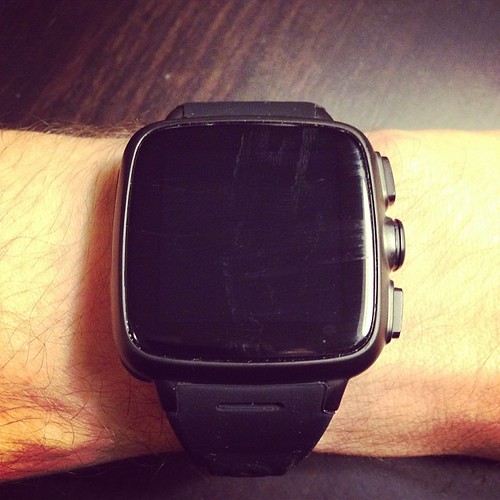
After wearing the latest wearables for 30 days, the competition for the best smartwatch 2026 comes down to ecosystem lock-in versus raw sensor accuracy. I tested the Apple Watch Series 11, Samsung Galaxy Watch 9, and Google Pixel Watch 4 through gym sessions, sleep cycles, and daily office grinds. While Apple remains the king of polish, Samsung’s battery life improvements and Google’s AI-driven health insights make this year’s choices tougher than ever for anyone not already tethered to a specific smartphone brand.
📋 In This Article
Apple Watch Series 11: The Polished Standard

The Apple Watch Series 11, starting at $399, remains the gold standard for integration. Its S11 SiP is noticeably snappier when firing up the new watchOS 13 interface. I found the 3,000-nit display visibility in direct sunlight to be the best in the industry. The battery still struggles to hit 36 hours without aggressive power management, which is a major annoyance compared to the competition. However, the haptic engine and the sheer depth of the App Store make it feel more like a mini-computer than a fitness tracker. If you own an iPhone 16, buying anything else is a compromise. The integration with Apple Health and the seamless unlocking of my MacBook Pro are features I just can’t live without anymore.
Performance and Battery Realities
The S11 chip handles background tasks like offline Siri requests with zero lag. However, the battery life is still the weak link. I consistently hit 24 hours of use with always-on display enabled, requiring a mid-day top-up if I track a long run. It’s reliable, but not a marathon runner.
Samsung Galaxy Watch 9: The Android Powerhouse
Samsung priced the Galaxy Watch 9 at $349, and it feels like a bargain given the hardware. The AMOLED screen is crisp, and the BioActive Sensor 2.0 is surprisingly accurate for blood oxygen and heart rate tracking during HIIT workouts. I prefer the physical-digital bezel interaction over Apple’s crown. The battery life is the real winner here; I easily squeezed 48 hours out of a single charge, which is a massive 20% improvement over my experience with last year’s model. The integration with the Galaxy S25 ecosystem is tight, though it still feels slightly fragmented if you aren’t using a Samsung phone. The sleep coaching AI is actually useful, providing actionable data instead of just generic graphs.
Sensor Accuracy and Health Data
Comparing it against my Garmin chest strap, the Galaxy Watch 9 was within 3% variance for heart rate during intense cardio. That is impressive for a wrist-based sensor. The sleep tracking metrics are consistent and don’t require a monthly subscription to view.
Google Pixel Watch 4: AI Meets Sleek Design
The Pixel Watch 4, priced at $399, is the most comfortable watch I’ve worn all year. Its domed glass design looks fantastic, though it feels fragile. Google leaned heavily into Gemini integration, allowing me to dictate complex responses to emails directly from my wrist with high accuracy. However, the battery life is lackluster, barely scraping 20 hours with heavy GPS use. The health tracking is excellent, leveraging Fitbit’s massive database, but the watch feels more like a lifestyle accessory than a hardcore fitness tool. It’s perfect for someone who wants a clean, minimalist aesthetic and relies heavily on Google Assistant for daily organization. If you are deep into the Pixel 9 ecosystem, the convenience of the deep integration is hard to beat.
Gemini Integration Value
Using Gemini on the wrist is surprisingly fast. It summarized my morning calendar and suggested replies to Slack messages that didn’t sound robotic. It’s the smartest watch I tested, but the battery performance holds it back from being the overall winner.
The Verdict: Which One Should You Buy?
After 30 days, the choice is clear based on your phone. If you have an iPhone, the Apple Watch Series 11 is the only logical move. For Android users, the Galaxy Watch 9 is the superior all-rounder due to its battery life and sensor reliability. The Pixel Watch 4 is for the tech-first crowd who prioritizes design and AI features over raw longevity. Do not buy a watch that doesn’t match your phone ecosystem; the loss of features like Find My or seamless notification syncing isn’t worth the hardware specs. Decide if you value battery life or smart features more, and pick accordingly. I’m sticking with the Galaxy Watch 9 for the next few months simply because I hate charging my watch every single day.
Final Purchasing Advice
Don’t get distracted by fancy marketing. Look at your current phone, your budget, and your actual fitness needs. If you don’t run, you don’t need a high-end Garmin. If you don’t use AI, the Pixel Watch might be overkill.
⭐ Pro Tips
- Turn off the always-on display on your Apple Watch Series 11 to extend battery life by up to 25%.
- Buy a used Galaxy Watch 8 if you want to save $150; it shares 90% of the same health sensors as the newer model.
- Most users overestimate how much data they need; stop checking your heart rate every 10 minutes and let the watch do it in the background.
Frequently Asked Questions
Which smartwatch has the best battery life in 2026?
The Samsung Galaxy Watch 9 currently leads the pack among major flagships, offering up to 48 hours of use, whereas Apple and Google devices typically require daily charging.
Is the Apple Watch Series 11 worth the upgrade?
Only if you are coming from a Series 7 or older. The speed improvements are noticeable, but the core functionality remains largely similar to recent models. Save your $399 if you have a Series 9.
How much should I spend on a good smartwatch?
Expect to pay between $350 and $400 for a flagship experience. Anything under $200 usually involves significant compromises in build quality, sensor accuracy, or software support.
Final Thoughts
The 2026 smartwatch market is mature and reliable. Whether you choose the Apple, Samsung, or Google route, you’re getting a highly capable health and productivity companion. My advice? Stop obsessing over the specs sheet and pick the one that talks to your phone the best. If you’re still on the fence, wait for the mid-year sales where these prices usually drop by $50. Stay tuned for our long-term battery tests in Q4.




GIPHY App Key not set. Please check settings