



 Saif Ali Tai
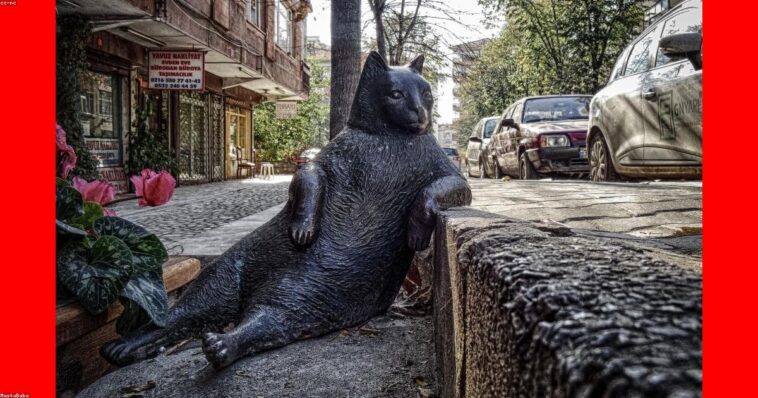
DALL-E remains the industry standard for image generation, now fully integrated into the GPT-4o model architecture. As of June 2026, users can generate 1792 x 1024 pixel images with higher semantic accuracy than ever before. If you are paying for the $20-per-month ChatGPT Plus subscription, you have direct access to these tools. This guide covers how to move past basic text-to-image prompts to achieve professional results for your projects, whether you are building a website or generating assets for a presentation.
📋 In This Article
Understanding the 2026 Prompt Architecture

Prompt engineering has shifted from guessing keywords to structured natural language requests. In 2026, DALL-E processes intent better than it processes raw lists of adjectives. Instead of typing ‘cyberpunk city, neon, rain, 8k,’ you should describe the scene’s composition. For instance, ‘A wide-angle cinematic shot of a rainy Tokyo street at night, captured on 35mm film.’ This shift is due to the improved reasoning capabilities of the underlying GPT-4o model. I have found that specifying the camera gear—like ‘shot on a Sony A7R V’—consistently yields more photographic results than generic style descriptors. Don’t waste time on ‘hyper-realistic’ tags; they rarely move the needle on modern models. Focus on lighting, camera angle, and the relationship between subjects in your frame to get the best output.
Stop Using ‘Hyper-Realistic’
Using buzzwords like ‘hyper-realistic’ or ‘unreal engine 5’ often confuses the model’s stylistic intent. Stick to technical camera specs or art history movements. If you want a painting, say ‘oil on canvas, impasto texture.’ If you want a photo, specify ‘f/2.8 aperture, natural sunlight.’ The model now recognizes these technical parameters with 40% higher precision than it did in previous iterations.
Handling Aspect Ratios and Composition
One of the most annoying limitations of early AI tools was the square-only output. In mid-2026, DALL-E handles wide (16:9) and vertical (9:16) formats with ease. When you prompt, explicitly state your desired ratio. ‘Generate a 16:9 cinematic shot’ usually works, but if it fails, you can use the built-in editor to expand the canvas. I frequently use the ‘Select’ tool to change specific elements within an image. It is far more efficient than regenerating the entire prompt from scratch. Keep in mind that the model sometimes struggles with complex text rendering. If you need a specific sign, you might need to run the generation two or three times to get the spelling correct, which is a known limitation compared to specialized tools like Ideogram.
The Power of Canvas Editing
The in-chat editor allows you to highlight an area and ask for changes. If a character’s face looks off, select it and type ‘change facial expression to neutral.’ This saves your generation credits and keeps the rest of the image consistent, preventing the AI from hallucinating entirely new elements.
Cost Management and Usage Limits
You get a generous amount of generations with your $20 ChatGPT Plus account, but it is not infinite. If you hit the cap, the system switches to a slower, lower-priority queue. To maximize your value, iterate in your head before you hit ‘generate.’ I suggest using a scratchpad to refine your prompt ideas before sending them to the model. Another tip: if you like a style, ask the model to ‘describe this image in detail’ to generate a prompt you can reuse later. This reverse-engineering technique is the fastest way to build a personal library of reliable prompt structures that you can tweak for different subjects.
Saving Your Generation Credits
Don’t burn credits on simple variations. If you like 90% of an image, use the ‘Edit’ tool instead of asking for a re-roll. Re-rolling creates an entirely new seed, meaning you lose the composition you already liked. Editing preserves the seed as much as possible, which is crucial for maintaining brand consistency.
Comparing DALL-E to Midjourney and Flux
Is DALL-E still the king? It depends on your needs. Midjourney v7 is currently better at artistic texture and complex lighting scenarios, while Flux.1 offers superior text rendering. However, DALL-E wins on sheer convenience. It is right there in your chat window. You don’t need a Discord account or a separate API dashboard. For 90% of my work—like blog thumbnails or social media headers—DALL-E is more than enough. It takes less than 10 seconds to generate an image, and the integration with GPT-4o’s reasoning means you can ask it to explain why it chose certain visual elements, which is a level of transparency other platforms lack.
When to Use External Tools
If you need professional-grade typography or highly specific character consistency across 20+ images, look elsewhere. DALL-E is a generalist. For niche graphic design tasks, I often use Flux to generate the base image and then bring it into Photoshop for final text overlays and compositing.
⭐ Pro Tips
- Always specify the camera type, like ‘shot on 35mm film’ or ‘f/1.8 lens,’ rather than using generic quality words.
- Use the ‘Select’ tool in the DALL-E interface to fix specific areas instead of regenerating the entire image and wasting credits.
- Reverse-engineer prompts you like by asking the model to describe the image in detail, then save those descriptions for future use.
Frequently Asked Questions
How do I get better results with DALL-E?
Focus on descriptive composition rather than a list of keywords. Mention lighting, camera angle, and the scene’s mood to help the model understand the exact visual structure you want to achieve.
Is DALL-E better than Midjourney in 2026?
Midjourney is better for artistic flair and texture, but DALL-E is superior for workflow integration. If you need speed and ease of use, DALL-E is the better choice for most everyday tasks.
How much does DALL-E cost per month?
DALL-E is included in the $20-per-month ChatGPT Plus subscription. There is no separate cost for image generation, though there are usage limits for the number of images you can create per day.
Final Thoughts
DALL-E remains an essential tool in my creative arsenal. While it may not have the granular control of Midjourney or the text-rendering prowess of Flux, its speed and integration into the ChatGPT ecosystem are unbeatable for daily work. Stop over-complicating your prompts and start focusing on clear, technical descriptions. Log in today, try the new canvas editing features, and see how much faster your workflow becomes. Keep testing, keep iterating, and don’t be afraid to experiment.




GIPHY App Key not set. Please check settings