
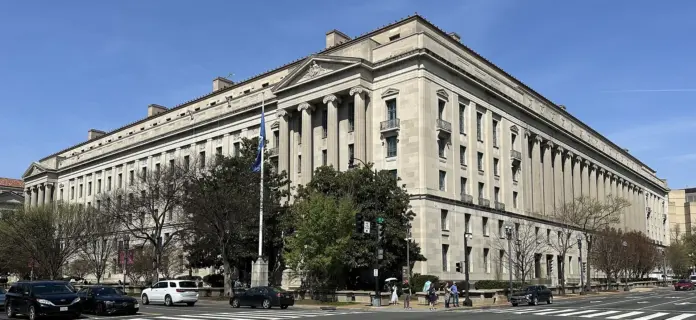
The US Department of Justice has set up a Super Intelligence Task Force to coordinate criminal and civil cases involving the misuse of advanced AI. The department announced the unit on Thursday, November 5, 2026, in Press Release No. 26-1319. It is led by Associate Attorney General Stanley Woodward and Associate Deputy Attorney General Stephen Weiss, and it absorbs the department’s earlier AI Task Force. Here is what the department says the unit will do, and what has not been spelled out.
What the task force is for
In its announcement, the department says the goal is to stop US leadership in what it calls “super intelligence” (SI) from being undermined by misuse. It names three groups of concern: foreign state and state-sponsored actors, transnational criminal organizations, and individuals or companies that commit fraud or other unlawful acts. The release also says the department wants to promote innovation and protect American business interests.
Attorney General Todd Blanche said SI development “will continue to be powered by American innovators.” The release adds that the task force will work with Jay Clayton, who chairs the federal Super Intelligence Force, and that the department will keep prosecuting people whose use of SI breaks the law.
How it was set up
The task force was created by an Attorney General memorandum dated October 13, 2026, which the department links from its announcement. According to ExecutiveGov, the unit supports the Super Intelligence Force, which was created under a September 29 executive order titled “Inaugurating the Era of Super Intelligence.”
The new unit replaces the Artificial Intelligence Task Force that then-Attorney General Pam Bondi announced on January 9, 2026. Under the memo, that group’s open matters, work product, staff and reporting obligations move to the new task force.
Who sits on it
ExecutiveGov reports that each of the following sends a representative:
- the Antitrust Division, the Civil Division, the Criminal Division and the National Security Division
- the FBI
- the National Fraud Enforcement Division
- the Attorney General’s Advisory Committee
- the Office of the Solicitor General
What it will actually do
The same report lists the unit’s main duties. It is meant to:
- coordinate enforcement against foreign state actors, criminal organizations and fraudsters who misuse advanced AI, with a focus on threats to taxpayers, critical infrastructure and national security;
- consolidate AI-related cases and settle overlapping investigations between Justice Department components and US attorneys’ offices;
- recommend which public safety threats should be enforcement priorities;
- act as the department’s main contact with the Super Intelligence Force and other agencies;
- oversee the department’s civil AI litigation, plus guidance on prosecuting AI crimes and judging corporate compliance programs;
- comment on legislative and regulatory proposals, with the stated aim of supporting innovation without heavy regulation.
One practical change is a notification rule. When the task force asks, department components and US attorneys’ offices must tell it when an AI-related investigation begins, and again before charges are filed or a case is resolved. The task force will design that process, and prosecutors may skip it in urgent cases, such as an imminent public safety threat or a risk of losing evidence.
Woodward is quoted in the release saying the effort “will promote innovation and prevent the misuse of Super Intelligence.” The release also says the department will use law enforcement tools to deter improper use of SI, improve regular reporting on SI risks and responses, and encourage companies to keep strong internal controls so their technology behaves as intended.
Naming and what is unclear
The department’s wording is a change from earlier materials that said “artificial intelligence.” Engadget notes that President Trump coined the “super intelligence” term only weeks before the launch, and that most publications and the wider industry still call the technology AI. The Justice Department’s own text uses “SI” throughout.
Several points remain open. The release gives no timeline. It does not say how the task force will coordinate with agencies beyond the Super Intelligence Force. And the memo that sets out its detailed powers is linked from the release rather than reproduced in it. The release describes coordination of enforcement rather than any new offences, so the practical effect will depend on which cases the unit takes up.
For companies building or deploying AI systems, the near-term takeaway is modest. There is a new central point inside the department for AI-related cases, and prosecutors have been told to loop it in early. Whether that changes how often cases are brought is something only later filings will show.
Sources
- US Department of Justice: Department of Justice Launches Super Intelligence Task Force (Nov. 5, 2026)
- ExecutiveGov: DOJ Stands Up Task Force to Counter AI Misuse
- Engadget: DOJ just launched something called the Super Intelligence Task Force
Like our coverage? Add stepphase.com as a preferred source on Google to see more of our stories in Top Stories.

