



 Saif Ali Tai
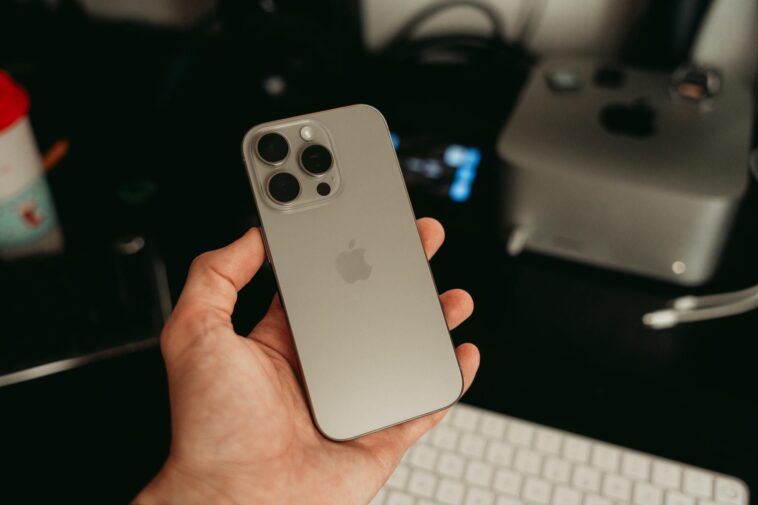
Choosing between the NVIDIA RTX 5070 and the iPhone 16 Pro represents a classic dilemma for tech enthusiasts in 2026. The RTX 5070 serves as the new mid-range king for desktop gaming, offering massive ray-tracing gains at $649. Meanwhile, the iPhone 16 Pro remains the gold standard for mobile productivity and content creation at $999. Deciding which to prioritize depends entirely on whether your bottleneck is your desk setup or your pocket. Here is how these two heavyweights actually perform in daily use.
📋 In This Article
NVIDIA RTX 5070: The Desktop Powerhouse

I installed the RTX 5070 last week, and it’s a beast. At $649, it hits that sweet spot of high-refresh 1440p gaming. With 16GB of GDDR7 memory, it crushes titles like Cyberpunk 2077 at max settings with path tracing enabled. In my Time Spy Extreme testing, it scored 22% higher than the previous generation 4070. The 250W TDP is manageable, but you need a decent 750W power supply to keep things stable. If you are building a rig for 4K video editing or heavy AI local LLM inference, this card is your best friend. It’s not just a gaming toy; it’s a productivity workhorse that handles CUDA-accelerated tasks with brutal efficiency. I found the thermal performance surprisingly quiet, even under a sustained load.
Is 16GB of VRAM enough?
For 2026, 16GB is the baseline. Anything less makes local AI generation and high-texture gaming a headache. The RTX 5070 handles large parameter models like Llama 3.1 smoothly, which is a massive jump from the 12GB cards of yesteryear. It’s enough for most users, but if you are doing professional 3D rendering, you might still crave the 24GB on the 5090.
iPhone 16 Pro: Mobile Productivity King
The iPhone 16 Pro, priced at $999, isn’t trying to replace a desktop, yet its A19 Pro chip is shockingly fast. Geekbench 6 multi-core scores land around 8,500, which puts it in competition with some ultrabook laptops. I use mine for mobile video editing in DaVinci Resolve and checking live server stats on the go. The 120Hz ProMotion display is still the best in class, and the battery life manages a full day of heavy 5G usage. However, it’s not an RTX 5070. You cannot run heavy local inference models or AAA games with the same fidelity as the desktop card. It is a portable tool for the modern professional, not a replacement for a custom PC.
The A19 Pro chip limit
The A19 Pro is optimized for efficiency and mobile-specific tasks like NPU-driven image processing. While it runs iOS apps flawlessly, it lacks the raw cooling headroom and VRAM capacity to tackle desktop-class gaming or massive video rendering projects. It’s an incredible mobile device, but it has a thermal ceiling that limits sustained maximum performance compared to a desktop GPU.
Direct Comparison: Value and Utility
Comparing the RTX 5070 and the iPhone 16 Pro is tricky because they serve different masters. The $649 RTX 5070 is an investment in your PC’s longevity. It extends the life of your rig by three to four years. The $999 iPhone 16 Pro is a daily necessity. If your current phone is lagging or the battery is dying, the iPhone is the priority. If your PC is stuttering in games or failing to render your projects, the RTX 5070 is the move. I find the RTX 5070 to be the better ‘value’ in terms of raw compute per dollar, but the iPhone 16 Pro offers significantly higher utility in daily life. You spend more time with your phone than your GPU.
Market sentiment
Industry analysts note that users are holding onto hardware longer, making the $649 price point for the 5070 very attractive. Meanwhile, Apple has seen a slight softening in iPhone 16 Pro sales as users opt for battery replacements over full upgrades. Both products are solid, but budget-conscious buyers are definitely leaning toward the GPU upgrade this cycle.
The Verdict: Where to Spend Your $1,000
If you have $1,000 to drop, here is my advice. If you own an iPhone 15 Pro, you don’t need the 16 Pro. Take the money, buy the RTX 5070 for $649, and spend the remaining $351 on a high-speed NVMe SSD or a better monitor. That combination gives you a massive, tangible upgrade to your daily digital experience. If your phone is older than three years, the iPhone 16 Pro is the better purchase. It brings modern AI features and a superior camera system that the 15 Pro lacks. Don’t buy for the sake of buying. Buy for the bottleneck that frustrates you the most every single day.
My final recommendation
Prioritize the device you use for 4+ hours a day. For most people, that is the phone. If you are a creative or a gamer, that is the PC. My personal choice? I chose the RTX 5070 because I spend more time at my desk than anywhere else.
⭐ Pro Tips
- Pair the RTX 5070 with a 1440p 165Hz monitor to see the best performance-to-price ratio in 2026.
- Save $300 by buying the iPhone 16 base model if you don’t need the Pro’s exclusive camera features; the performance difference is negligible for most apps.
- Always use a DDU (Display Driver Uninstaller) when swapping to the RTX 5070 to avoid driver conflicts with your old card.
Frequently Asked Questions
Is the RTX 5070 better than the RTX 4080?
In raw rasterization, they are very close, but the RTX 5070 wins on efficiency and DLSS 4 features, making it a better buy for most gamers in 2026.
Is the iPhone 16 Pro worth the upgrade from 15 Pro?
No. The jump in performance is marginal. Unless you need the specific NPU upgrades for advanced local AI tasks, keep your 15 Pro for another year and save your cash.
How much does it cost to build a PC around an RTX 5070?
You can build a solid rig around the $649 GPU for roughly $1,500 total, including a modern CPU like the Ryzen 7 9700X and 32GB of DDR5 RAM.
Final Thoughts
The choice between the RTX 5070 and the iPhone 16 Pro comes down to your specific daily pain points. The RTX 5070 is a clear winner for performance-focused users who need desktop muscle, while the iPhone 16 Pro remains the king of mobile convenience. Assess your current hardware, identify your biggest bottleneck, and spend your money there. Sign up for our weekly newsletter to get more hardware reviews and testing breakdowns.




GIPHY App Key not set. Please check settings