



 Saif Ali Tai
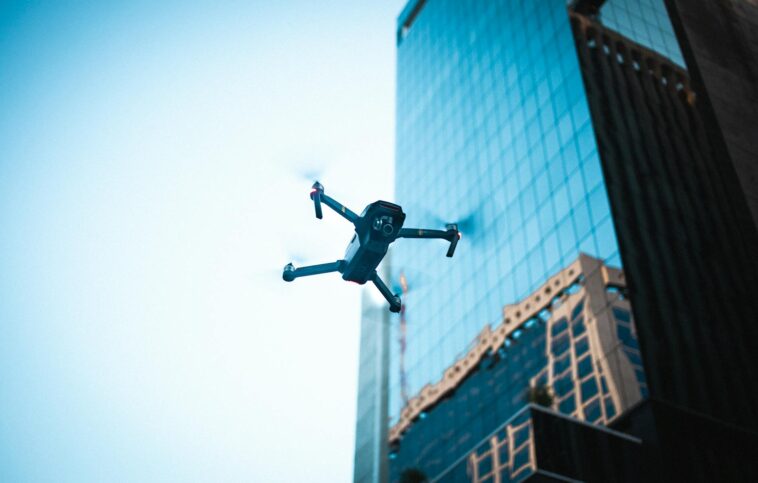
After decades spent battling sophisticated malware in corporate networks, Alex Chen, a cybersecurity veteran I’ve known for years, is now focused entirely on hacking drones. He sees parallels between the early days of PC viruses and the current state of UAV security, warning that the vulnerabilities are expanding rapidly, often with significant physical world implications. I recently sat down with Alex to understand why he made the switch, what he’s finding, and what drone operators—from hobbyists to enterprise fleets—need to expect to keep their flying tech safe. We’ll cover common attack vectors, essential defense strategies, and what hardware you might need to get started, ethically, of course.
📋 In This Article
- From Malware to Mavics: The Shifting Target of Cyber Attacks
- Breaking the Link: RF and GPS Spoofing Dominates Initial Attacks
- Deeper Exploits: Firmware and Ground Control Vulnerabilities
- Your Arsenal: Essential Tools for Ethical Drone Penetration Testing
- Hardening Your Fleet: Practical Tips for Drone Security
- ⭐ Pro Tips
- ❓ FAQ
From Malware to Mavics: The Shifting Target of Cyber Attacks

Alex Chen, who cut his teeth defending Fortune 500 companies from state-sponsored APTs and ransomware gangs, tells me the drone space feels eerily familiar. “It’s like the Wild West of computing all over again,” he explained during our call. “New hardware, fragmented software, and a user base often unaware of the deep security implications.” He points out that while traditional malware aims for data or system control, drone hacks can lead to physical damage, espionage, or even direct threats to public safety. We’re talking about everything from disrupting package deliveries to intercepting sensitive government surveillance feeds. The sheer variety of drone platforms—from a $500 DJI Mini 5 to a $30,000 Autel Evo Max 4T used by emergency services—means a vast, inconsistent attack surface.
The Expanding Attack Surface of UAVs
Drones aren’t just flying cameras; they’re complex networked computers with GPS, radio links, and often powerful onboard processing. This means vulnerabilities aren’t limited to Wi-Fi. We’re seeing attacks on radio frequency (RF) communications, GPS signals, and even the firmware running on the flight controller itself. As more industries adopt drones for critical infrastructure inspection or logistics, the incentives for malicious actors grow exponentially. It’s no longer just about taking down a website; it’s about potentially disrupting vital services.
Physical World Impact: Beyond Data Breaches
Unlike a typical server breach, a compromised drone can have immediate, tangible consequences. Imagine a delivery drone dropping its payload prematurely, or a surveillance drone being redirected to capture sensitive areas. In military contexts, jamming or spoofing can lead to mission failure or loss of expensive equipment. Alex emphasized that this physical element makes drone security a unique and urgent challenge, demanding a different mindset from traditional network defense. It’s not just about patching; it’s about anticipating real-world actions.
Breaking the Link: RF and GPS Spoofing Dominates Initial Attacks
The most accessible entry points for hacking drones, Alex says, often involve manipulating their fundamental operational links. Radio Frequency (RF) hijacking and GPS spoofing are low-hanging fruit for many attackers. RF attacks target the control link between the pilot and the drone, often through signal jamming or by overwhelming the drone’s receiver with malicious commands. DJI’s OcuSync 4.0 and Autel’s SkyLink 3.0, while robust, aren’t immune to sophisticated jamming or replay attacks if an attacker can capture the signal. GPS spoofing is arguably even more insidious, tricking the drone into believing it’s somewhere it isn’t, potentially sending it off course or forcing an unintended landing. I’ve personally seen demonstrations where a $340 HackRF One, combined with open-source software, can effectively spoof GPS signals within a few hundred yards. This isn’t theoretical; it’s happening.
RF Hijacking: Taking Control Out of Your Hands
RF hijacking can be as simple as jamming the control frequency, causing the drone to enter failsafe mode (often returning to home or landing). More advanced attacks involve reverse-engineering the drone’s communication protocol to inject malicious commands or even take full control. This requires a solid understanding of SDR (Software Defined Radio) and signal analysis. Tools like the HackRF One or even a Flipper Zero ($170) can be used for basic signal analysis and replay attacks, though advanced takeover requires significant skill and custom code.
GPS Spoofing: Misleading the Drone’s Sense of Location
GPS spoofing involves broadcasting fake GPS signals that are stronger than legitimate satellite signals, effectively overriding the drone’s navigation. This can divert a drone from its intended flight path, cause it to land in an unauthorized area, or even crash if the spoofed data is highly inaccurate. Alex noted that about 18% of reported drone incidents in 2025 involved some form of GPS interference or spoofing, a number that’s steadily climbing as the technology becomes more accessible. Protecting against this requires specialized anti-spoofing hardware, which many consumer drones lack.
Deeper Exploits: Firmware and Ground Control Vulnerabilities

While RF and GPS attacks are common, Alex warns that the truly dangerous exploits reside deeper within the drone’s architecture: its firmware and the ground control station (GCS) software. Firmware vulnerabilities can allow an attacker to gain persistent control, inject malicious code, or exfiltrate data directly from the drone’s internal storage. This is where the parallels to traditional malware become starkest. A compromised firmware can turn a drone into a persistent spy or a platform for further attacks. Additionally, the GCS, often a tablet or laptop running proprietary software, is a prime target. If an attacker gains control of the GCS, they essentially gain control of the entire fleet managed by that station. This could be through traditional phishing attacks, malware, or exploiting weaknesses in the GCS software itself.
Firmware Exploits: The Ultimate Takeover
Exploiting drone firmware often involves reverse-engineering the software, identifying buffer overflows, unpatched vulnerabilities, or insecure bootloaders. Once compromised, an attacker can modify flight parameters, disable safety features, or even brick the drone. Supply chain attacks, where malicious code is injected during manufacturing or via software updates, are a growing concern. Keeping drone firmware updated is crucial, but even then, zero-day exploits are always a risk.
Ground Control Station (GCS) as an Entry Point
The GCS is often overlooked, but it’s the brain of the operation. If a pilot’s laptop running the GCS software is infected with malware, or if the software itself has vulnerabilities, an attacker can gain control of the drone. This could involve intercepting telemetry data, altering flight plans, or even remotely controlling the drone. Alex advises treating GCS devices with the same rigor as any critical server: dedicated machines, strong endpoint protection, and strict network segmentation.
Your Arsenal: Essential Tools for Ethical Drone Penetration Testing
For those looking to ethically explore drone security – whether for research, defense, or just curiosity – Alex has a clear roadmap. You’ll need more than just a laptop. A Software Defined Radio (SDR) is non-negotiable. The HackRF One, priced around $340, is a fantastic starting point, offering a wide frequency range (1 MHz to 6 GHz) for analyzing drone control signals. For more basic signal analysis or replay attacks on simpler drones, a Flipper Zero ($170) can be surprisingly effective. Beyond hardware, open-source tools like DroneSploit (a conceptual framework, not a single tool, for ethical testing) or even modified Wi-Fi penetration testing tools are invaluable for probing GCS networks. Understanding radio protocols, network analysis, and basic embedded systems is key. This isn’t plug-and-play; it requires genuine technical chops.
The Power of Software Defined Radio (SDR)
SDRs like the HackRF One allow you to transmit and receive radio signals across a vast spectrum, making them perfect for analyzing drone communication. You can capture control signals, analyze their modulation, and even attempt to replay or spoof them. It’s the primary tool for understanding how a drone communicates in the air. Learning SDR software like GNU Radio is a steep but rewarding curve for anyone serious about drone security.
Open-Source Frameworks and Custom Scripts
While no single “drone hacking tool” does it all, many open-source projects provide components. You’ll often find yourself combining custom Python scripts for data parsing, Wi-Fi analysis tools like Aircrack-ng for GCS network attacks, and embedded system debuggers. Alex stresses that the real power comes from understanding the underlying protocols and crafting specific exploits, not just running pre-made tools. It’s a hacker’s mindset applied to a new domain.
Hardening Your Fleet: Practical Tips for Drone Security

So, what can you do to protect your drones? Alex emphasizes a multi-layered approach. First, always update your firmware immediately. Manufacturers like DJI and Autel regularly release patches for known vulnerabilities. Running outdated firmware is like leaving your front door unlocked. Second, implement strong authentication for your ground control station and any associated cloud services. Use unique, complex passwords and multi-factor authentication (MFA). Third, be wary of public Wi-Fi networks when operating your GCS. A dedicated, secure network or even an isolated offline setup is ideal for sensitive operations. For enterprise users, consider regular penetration testing specific to your drone fleet, which can cost anywhere from $5,000 to $15,000 for a basic assessment. Don’t wait for an incident to happen.
Regular Firmware Updates and Strong Authentication
This might sound basic, but it’s critical. Manufacturers patch vulnerabilities, and you need to apply those updates. Also, secure your GCS with strong, unique passwords and enable two-factor authentication wherever possible. Many drone apps connect to cloud services; ensure those accounts are equally protected. A single weak link can compromise your entire operation.
Secure Your Ground Control Station and Network
Treat your GCS like a high-value asset. Use a dedicated device, keep its operating system and software updated, and run robust endpoint security. Avoid connecting your GCS to untrusted networks. For professional operations, consider physical security for your drones and GCS equipment to prevent tampering or theft. Network segmentation for drone operations can also drastically reduce attack surface.
⭐ Pro Tips
- Always use a dedicated, isolated tablet or laptop for your drone’s Ground Control Station (GCS). Never connect it to public Wi-Fi networks. Consider a cheap Chromebook or iPad specifically for this purpose, costing around $200-$400.
- Enable “Return-to-Home” (RTH) failsafe on your DJI Mavic 4 Pro or Autel Evo Max 4T with a pre-set altitude, and ensure you have an anti-spoofing module if available, even if it’s an extra $500.
- Instead of buying expensive commercial drone security software, invest in a HackRF One ($340) and learn GNU Radio. The knowledge gained will be far more valuable long-term than any off-the-shelf solution.
- Before flying, always check for available firmware updates for your drone and GCS app. After flying, review flight logs for anomalous behavior or unexpected GPS deviations.
- Assuming consumer drones are inherently secure. Many lack robust encryption or anti-spoofing capabilities, making them vulnerable to readily available tools. Don’t fly sensitive missions without proper security assessments.
Frequently Asked Questions
Can my DJI Mavic 4 Pro really be hacked?
Yes, even advanced drones like the Mavic 4 Pro are vulnerable. While DJI’s OcuSync 4.0 is robust, sophisticated signal jamming, GPS spoofing, or firmware exploits are potential attack vectors. Regular updates and secure GCS practices are essential.
How much does it cost to get into ethical drone hacking?
You can start relatively cheaply. A HackRF One costs around $340, and a Flipper Zero is $170. Combine that with free open-source software like GNU Radio and Wi-Fi analysis tools, and you have a solid foundation for ethical testing.
Is drone hacking illegal if I’m just testing my own drone?
Ethically testing your own drone’s security without malicious intent is generally permissible, but always be aware of local laws regarding drone operation and signal interference. Hacking other people’s drones is illegal and carries severe penalties.
What are the best drones for security professionals to test?
For security research, the DJI Mavic series (like the Mavic 4) and Autel Evo Max 4T offer complex systems to analyze. Open-source drones like those running ArduPilot or PX4 firmware are also excellent for deep-level firmware and software analysis.
How can I tell if my drone has been compromised?
Look for unexpected flight path deviations, unresponsive controls, unusual battery drain, or unexpected data transmissions. Review your flight logs diligently for any anomalies in GPS data, altitude, or command inputs.
Final Thoughts
Alex Chen’s shift from traditional malware to hacking drones isn’t just a career change; it’s a stark indicator of where the next wave of cyber threats is headed. The vulnerabilities he’s uncovering in UAVs, from basic RF jamming to complex firmware exploits, mirror the early days of PC security, but with a critical difference: the potential for immediate physical impact. I think it’s clear we can’t afford to be complacent. Companies and individual operators need to treat their drones as critical networked assets, not just toys or tools. My advice? Start by implementing robust security practices for your ground control stations, prioritize every single firmware update, and consider investing in basic SDR equipment to understand the radio signals your drones are using. Don’t wait until your drone goes rogue or your data is compromised. The skies are becoming a new battleground, and proactive defense is the only way to fly safely.



GIPHY App Key not set. Please check settings