



 Saif Ali Tai
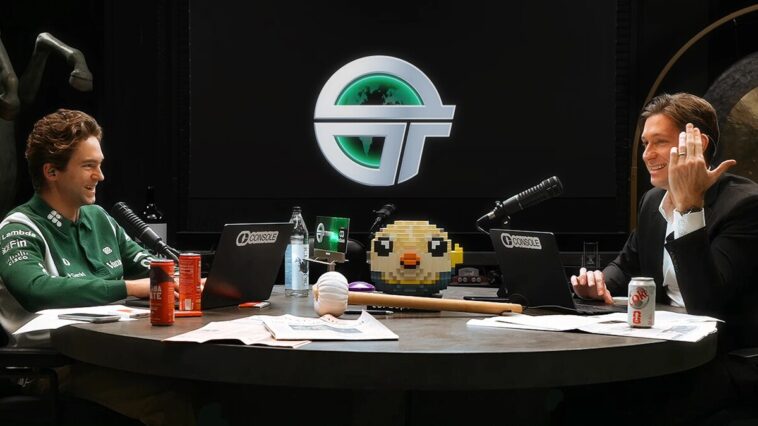
OpenAI just dropped a bombshell, acquiring the popular tech-focused talk show, The Byte Pulse Network (TBPN). This isn’t just another investment; it’s a direct, estimated $150 million move into content creation and distribution, blurring the lines between AI development and media. I’m going to dig into why OpenAI is spending big on a media property, what this means for TBPN’s future, and crucially, what impact it’ll have on tech enthusiasts like us. Is this a strategic masterstroke for AI-powered media, or another costly ‘side quest’ for the company as some industry observers are already dubbing it? Let’s find out what’s really going on.
📋 In This Article
The Deal Details: OpenAI’s Big Bet on Media

So, the news hit last week: OpenAI officially acquired The Byte Pulse Network (TBPN), home to fan-favorite shows like the weekly deep-dive “Circuit Breakers” and the daily news wrap-up “The Data Stream.” While the exact figure wasn’t disclosed, sources close to the deal peg it around $150 million. OpenAI’s official line is they want to “explore the intersection of AI and media,” creating a direct channel for “informed discussion” about artificial intelligence. Honestly, it’s a bold and frankly, pretty risky move for a company primarily known for its AI models like GPT-4.5 and Sora. TBPN has built a loyal following over a decade, with hosts like Alex ‘The Processor’ Chen and Dr. Maya ‘Data Whisperer’ Sharma known for their no-holds-barred critiques and deep technical insights. This isn’t just buying a podcast; it’s buying a voice, a platform, and an audience. My initial take? OpenAI is either brilliant for recognizing the need to control its narrative, or incredibly naive about the complexities of media independence.
Why TBPN, and Why Now?
TBPN wasn’t just another tech channel; it had genuine credibility and a fiercely loyal audience that valued its in-depth, often critical, discussions. OpenAI likely saw TBPN as a ready-made, trusted platform to communicate directly with the tech-savvy public. Why now? Perhaps they’re tired of relying on traditional media to accurately cover AI advancements, or maybe they want a direct channel to address misinformation surrounding their rapidly evolving tech. It’s a strategic play to influence public perception and showcase AI’s capabilities, rather than just developing them in a lab.
The Financials: Is $150 Million Just Pocket Change?
When you consider OpenAI’s last reported valuation hovered around $80 billion, $150 million might seem like a drop in the bucket. However, it’s still a substantial investment for a media property, especially for an AI research company. This isn’t a small acqui-hire of an AI startup; it’s a significant capital outlay for content and distribution. It signals a serious commitment to this new direction, far beyond what a simple content partnership would entail. It’s an aggressive move that shows OpenAI is willing to put real money behind its media ambitions.
What This Means for TBPN: AI Overlords or Enhanced Production?
The big question for TBPN’s dedicated viewership is, what changes now? Will Alex Chen and Maya Sharma suddenly be replaced by GPT-5-powered synthetic voices? I seriously doubt it, at least not immediately. More realistically, OpenAI will integrate its AI tools to enhance production. Imagine GPT-5 Turbo assisting with research, generating script outlines, or even crafting hyper-realistic DALL-E 4 images and Sora video clips for segments. This could drastically cut production costs and potentially increase content output. However, the core appeal of TBPN has always been its human element – the hosts’ personalities and their unvarnished opinions. Any move that dilutes that will be met with serious backlash. My hope is for enhanced production value and deeper insights, not AI-driven homogenization.
Editorial Independence: The Elephant in the Server Room
This is the single biggest concern. TBPN’s reputation is built on its independent voice and willingness to critique even the biggest tech players. If OpenAI starts dictating topics, soft-pedaling criticism of its own products, or pushing a specific narrative, it will instantly erode trust. OpenAI needs to establish an ironclad, transparent editorial firewall. Anything less will turn TBPN into a glorified corporate press release, alienating the very audience they paid $150 million to acquire. This is where the deal could either soar or crash spectacularly.
New Formats and AI-Generated Content
Beyond just enhancing current shows, this acquisition opens the door for completely new content formats. Picture AI-generated segments offering real-time data analysis during a live tech event, or a virtual co-host specializing in quantum computing. Perhaps “The Data Stream” could offer personalized news feeds based on your interests, curated by Gemini 2.0 or Claude 3.5. OpenAI could use TBPN as a testing ground for truly innovative AI-driven media, leveraging their advanced models to deliver experiences impossible for traditional broadcasters. The potential for creative new content is genuinely exciting.
OpenAI’s Media Strategy: Beyond ChatGPT
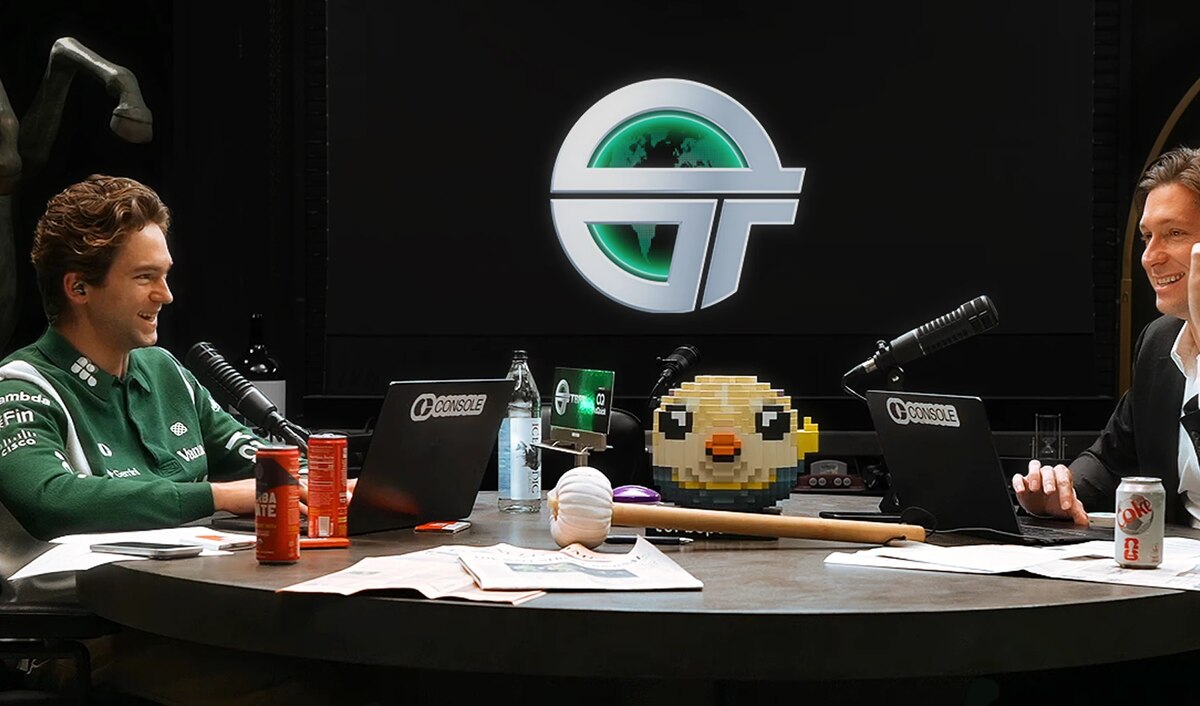
This isn’t just about a single talk show; it’s a clear signal that OpenAI is thinking bigger than just API access and chatbot interactions. They’re building a content ecosystem. With GPT-4.5 for text, DALL-E 4 for images, and Sora for video, they have the generative capabilities. Now, with TBPN, they’re acquiring a direct distribution channel and a trusted brand. OpenAI is competing with tech giants like Google, Microsoft, and Meta not just in AI model development, but in how information is consumed and how narratives are shaped. They’re positioning themselves not just as a tool provider, but as a content source, aiming to bypass traditional media filters and speak directly to the public. This is a significant shift in their long-term strategy.
Competing with Google and Meta for Attention
Google has YouTube, Meta has Facebook and Instagram – massive platforms for user engagement and content distribution. OpenAI, while dominant in AI models, largely operates behind the scenes or through its ChatGPT interface. Acquiring TBPN is a direct play for user attention in the media space, a battleground where Google and Meta have long reigned supreme. This move suggests OpenAI wants to expand its footprint, potentially through further media partnerships or even more acquisitions, to become a more visible and influential player in daily information consumption.
The Push for AI Literacy and Public Trust
A credible tech show like TBPN could be an invaluable asset for OpenAI to educate the public about AI’s complex capabilities, ethical considerations, and real-world benefits. It’s a powerful tool for building public trust, directly addressing common misconceptions, and showcasing how AI can be used responsibly. Think of it as a sophisticated, long-form public relations strategy, allowing OpenAI to control the message and directly engage with a curious, often skeptical, audience. If handled with integrity, this could significantly boost AI literacy.
Consumer Impact: What Does This Mean for You?
For us, the tech enthusiasts and consumers, this acquisition has two very distinct potential outcomes. On the positive side, if AI genuinely enhances research, fact-checking, and production without compromising editorial integrity, we could see an unprecedented level of informed, high-quality tech content. Imagine real-time analysis of a new CPU launch, like the Intel Core i16 or AMD Ryzen 9000 series, with AI instantly pulling benchmarks and comparisons from across the web. The downside? If TBPN becomes a mere propaganda outlet for OpenAI, pushing only positive narratives about their products, then we lose a critical, independent voice. This deal signals a future where AI companies aren’t just developing the tech; they’re actively shaping the content we consume, making critical media literacy more important than ever. We need to watch carefully.
Better Explanations of Complex AI
One of the most promising aspects is the potential for clearer, more accessible explanations of cutting-edge AI. OpenAI has direct access to the brightest minds in AI development. If they can use TBPN as a platform to translate complex research from models like GPT-4.5 or Gemini 2.0 into digestible, engaging content, it’s a huge win for public understanding. Imagine direct, in-depth interviews with Sam Altman or Mira Murati on “Circuit Breakers,” explaining the nuances of their latest breakthroughs without media filters.
The Risk of Algorithmic Bias and Echo Chambers
The flip side is the very real risk of algorithmic bias and the creation of an echo chamber. If OpenAI’s AI models are used to filter, prioritize, or even subtly influence the information presented on TBPN, there’s a danger we’ll only hear one perspective on AI innovation. This could lead to a skewed understanding of the industry, downplaying competitors like Anthropic’s Claude 3.5 or Google’s Gemini. It’s crucial for TBPN to maintain a diverse range of voices and critical viewpoints, even on OpenAI’s own products, to avoid becoming a one-sided platform.
Is It Worth It? My Honest Take
Honestly, I’m torn on whether OpenAI’s estimated $150 million investment in TBPN is truly “worth it.” On one hand, the potential for AI-enhanced, high-quality tech journalism is incredibly exciting. Imagine getting real-time analysis of a new GPU launch, like an RTX 5090 or AMD RX 8900 XT, with AI tools instantly pulling benchmarks and comparisons, presented by trusted hosts. That’s a powerful vision. On the other hand, the editorial independence question looms large. For $150 million, OpenAI isn’t just buying a show; they’re buying a platform, an audience, and a certain degree of perceived authority. If they mess up the trust factor, it’s not just a wasted investment, but a blow to their public image. My take: It *could* be worth it if they commit to radical transparency and journalistic integrity, truly empowering TBPN to maintain its critical edge. Otherwise, it’s just another tech giant trying to control the narrative, which ultimately serves no one.
The Trust Factor: OpenAI’s Biggest Challenge
Building and maintaining trust with a savvy tech audience is paramount. TBPN’s viewers are intelligent and discerning; any perceived manipulation or lack of independence will be met with immediate and vocal backlash. OpenAI needs to make a public, ironclad commitment to journalistic ethics, clearly outlining how TBPN will operate autonomously. Without this, the goodwill and credibility they just paid $150 million for will evaporate, making the entire acquisition a costly PR disaster that backfires spectacularly.
What to Watch For Next
Keep a close eye on TBPN’s content over the next few months. Do they still offer critical takes on OpenAI’s products? Do they feature diverse voices from across the AI landscape, including competitors? Also, look for other media acquisitions from OpenAI or its rivals. This could be the start of a broader trend where major tech companies directly enter content creation. The tech media landscape is shifting, and how TBPN navigates this new ownership will be a critical bellwether for what’s to come.
⭐ Pro Tips
- Always cross-reference AI-generated news or analysis with multiple, independent sources. Don’t rely solely on one platform, even if it’s generally reputable.
- If you’re a content creator, start experimenting with AI tools like GPT-4.5 or Claude 3.5 for research, script outlines, and even basic editing. Premium access starts around $20/month and can save hours.
- Set up RSS feeds or email alerts for your favorite independent tech journalists and smaller publications. This helps ensure you get diverse perspectives beyond corporate-owned media.
- Before taking any AI-driven advice, verify facts. For example, if an AI suggests a PC build, check component compatibility and current prices on sites like PCPartPicker.com.
- Watch for transparency statements from OpenAI regarding TBPN’s editorial policy. If they don’t explicitly commit to independence, approach their content with a healthy dose of skepticism.
Frequently Asked Questions
Why did OpenAI buy TBPN?
OpenAI acquired TBPN to expand its reach into media, control the narrative around AI, and directly engage with tech enthusiasts. It’s a strategic move to leverage AI for content creation and distribution, potentially showcasing AI capabilities on a trusted platform, while also influencing public discourse on AI.
How much did OpenAI pay for TBPN?
While specific figures weren’t officially confirmed by either party, industry observers and sources close to the deal estimate OpenAI paid approximately $150 million for The Byte Pulse Network (TBPN). This significant investment highlights OpenAI’s serious intent to enter the media content space directly.
Is TBPN still independent after the OpenAI acquisition?
The question of TBPN’s editorial independence is a major concern following the acquisition. OpenAI claims TBPN will retain autonomy, but critics worry about potential influence. Audiences should closely monitor TBPN’s content for any shifts in critical coverage of OpenAI or its competitors, as true independence is paramount.
Will AI replace the hosts on TBPN shows?
It’s highly unlikely that AI will entirely replace human hosts on TBPN in the short term. More probable is the integration of AI tools for research, script assistance, graphics generation, and even virtual co-hosts for specific segments. The goal is likely to enhance production and deepen insights, not replace established talent.
What does OpenAI’s media move mean for other tech companies?
OpenAI’s TBPN acquisition signals a potential trend where major AI developers directly enter content creation and distribution. This could push companies like Google, Meta, and Microsoft to bolster their own media presences or acquire similar platforms to control their narratives, intensifying the competition for public attention and trust.
Final Thoughts
OpenAI’s estimated $150 million acquisition of TBPN is a high-stakes gamble. It represents a bold move into media, aiming to shape the public discourse around AI and directly engage with enthusiasts. While the potential for AI-enhanced, high-quality tech content is genuinely exciting, the critical challenge lies in maintaining journalistic integrity. If OpenAI can ensure complete editorial independence, this could be a landmark deal, creating a new standard for tech media. If not, it risks becoming another corporate mouthpiece, eroding trust and wasting a significant investment. For now, keep watching TBPN closely, and always seek out diverse tech news sources.




GIPHY App Key not set. Please check settings