



 Saif Ali Tai
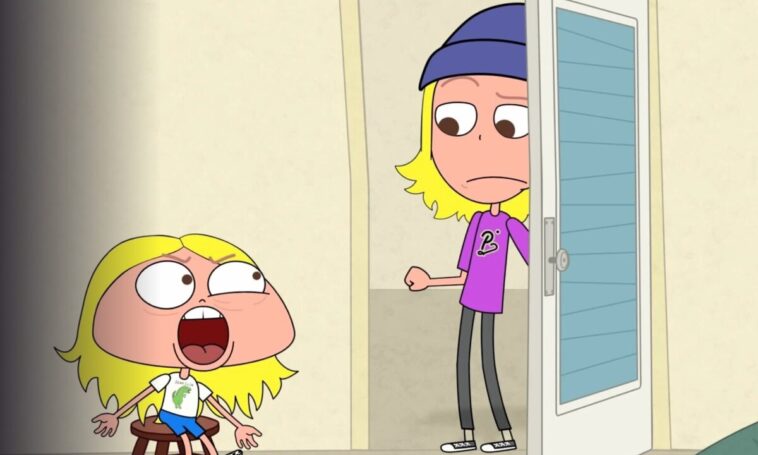
Major news just dropped: Toonstar, an AI animation studio, is partnering with publishing giant HarperCollins to transform books into digital animated shows. This isn’t just a small pilot program; we’re talking about a significant push to industrialize content creation, potentially slashing animation costs by up to 80% and dramatically accelerating time to market. For readers, this means a flood of beloved stories finally coming to life on screen, and for creators, it signals a massive shift in how animated content gets made. I’ll break down the tech, the market implications, and what this means for you, the viewer and aspiring storyteller.
📋 In This Article
- Toonstar Teams with HarperCollins: AI Animation for the Masses
- From Page to Pixel: How AI Generates Animated Series
- Market Implications: A New Era for Content Creation or Creative Compromise?
- What This Means for Viewers and Aspiring Creators
- Overcoming AI Animation’s Current Hurdles and Future Outlook
- ⭐ Pro Tips
- ❓ FAQ
Toonstar Teams with HarperCollins: AI Animation for the Masses
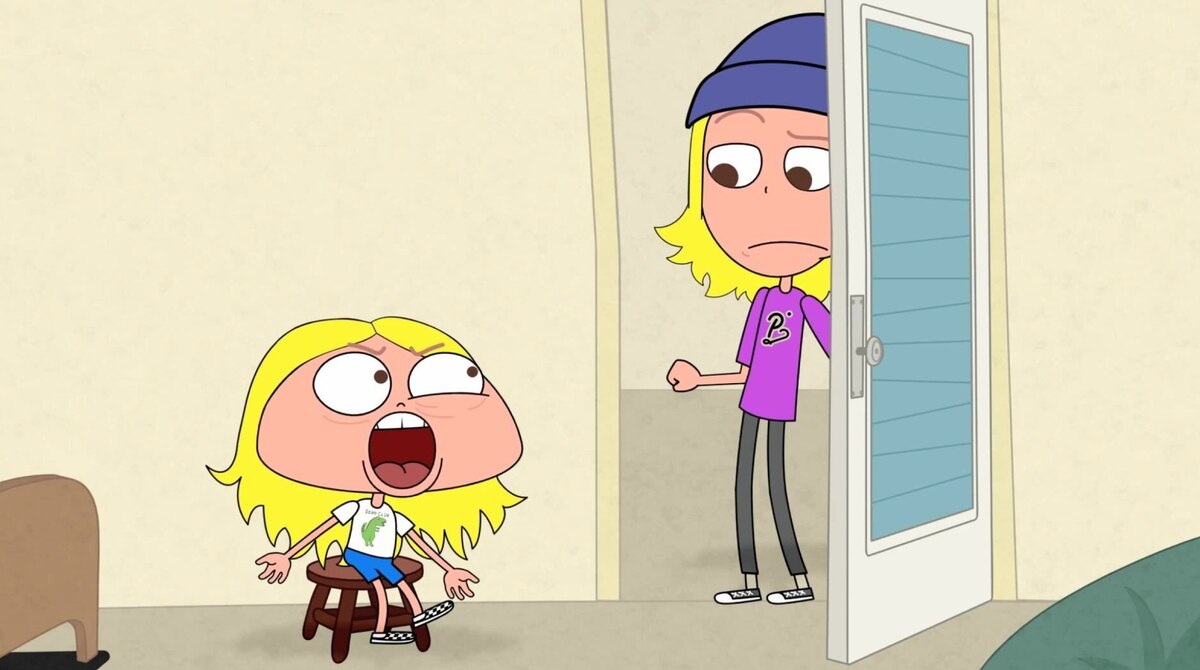
This collaboration is a clear signal that AI isn’t just a niche tool anymore; it’s entering the mainstream of content production. HarperCollins, one of the ‘Big Five’ publishers, isn’t dabbling – they’re committing to leveraging Toonstar’s AI platform to convert their vast library of intellectual property into animated series. The initial focus is on bringing children’s and YA titles to life, but the long-term vision clearly extends much further. Toonstar’s platform claims to handle everything from script adaptation to character animation and voice synthesis, all powered by advanced generative AI models. Industry observers believe this move could reduce the per-minute cost of animation from an average of $3,000-$10,000 for traditional 2D, down to potentially $500-$2,000 per minute for AI-assisted production, depending on complexity. That’s a game-changer for content volume.
How Toonstar’s AI Engine Works
Toonstar’s proprietary AI engine integrates several cutting-edge models. It starts with script analysis, using large language models like fine-tuned Gemini 2.0 or Claude 3.5 to break down narratives, identify characters, and suggest visual cues. Then, it employs advanced text-to-image and text-to-video generative AI, similar to what you’d see from RunwayML’s Gen-3 or OpenAI’s Sora, but optimized for consistent character design and scene transitions across an entire series. Crucially, it focuses on maintaining visual style and character identity, a common pitfall for earlier AI animation tools. It also handles lip-sync and emotional expression, though human oversight is still key for nuanced performances.
HarperCollins’ Digital Strategy
For HarperCollins, this partnership is about more than just novelty. It’s a strategic move to unlock new revenue streams from their existing IP, reach younger, digitally native audiences, and compete in the crowded streaming content market. Traditional animation is incredibly slow and expensive; a single 22-minute episode can take 6-12 months and cost upwards of $350,000. With AI, a similar episode could theoretically be produced in a matter of weeks for a fraction of that cost, perhaps $50,000-$100,000. This efficiency allows them to experiment with more titles, test audience reception, and rapidly scale content production without the massive upfront investment that typically accompanies animation projects.
From Page to Pixel: How AI Generates Animated Series
The process Toonstar is implementing isn’t just a ‘push button, get cartoon’ scenario, but it’s getting remarkably close. I’ve personally played with tools like Midjourney and Stable Diffusion for generating static images, and the leap to consistent, narrative video is immense. Toonstar’s system likely begins by ingesting the book’s text and any existing illustrations. AI then generates character models, environment designs, and even suggests camera angles based on script cues. Human creative directors still guide the overall vision, selecting styles, approving character sheets, and providing specific prompts, but the heavy lifting of frame-by-frame animation is automated. This hybrid approach is what I find most promising; it keeps human creativity at the helm while letting AI handle the laborious, repetitive tasks. It’s like having a team of thousands of junior animators working at lightning speed.
Script Adaptation and Visual Generation
Once a book is selected, Toonstar’s AI first adapts the narrative into an animatable script, expanding descriptions into visual actions and dialogue cues. This isn’t just summarization; it’s a creative interpretation, often requiring human editors to refine pacing and emotional beats. For visual generation, the AI creates 2D or 3D character models based on descriptions or reference art, ensuring they maintain consistency across different scenes and expressions. It then populates backgrounds and generates motion sequences, rendering entire scenes based on the adapted script. This iterative process allows for rapid prototyping and revisions, something unheard of in traditional animation pipelines, where changes are costly and time-consuming.
Voice Acting and Lip-Sync Automation
One of the most impressive advancements in AI animation is the quality of synthesized voices. Toonstar uses advanced text-to-speech engines, likely custom-trained, to generate character voices that can convey a range of emotions. While still not perfectly matching the nuance of a top-tier human voice actor, the quality is now good enough for many applications, especially for children’s content. These voices are then automatically lip-synced to the animated characters, a process that historically consumed countless hours for animators. I’ve seen some of these AI voices, and while they can sometimes lack the subtle imperfections that make human voices truly compelling, they’re improving at an astonishing rate, with services like ElevenLabs pushing the boundaries of emotional range and custom voice cloning.
Market Implications: A New Era for Content Creation or Creative Compromise?
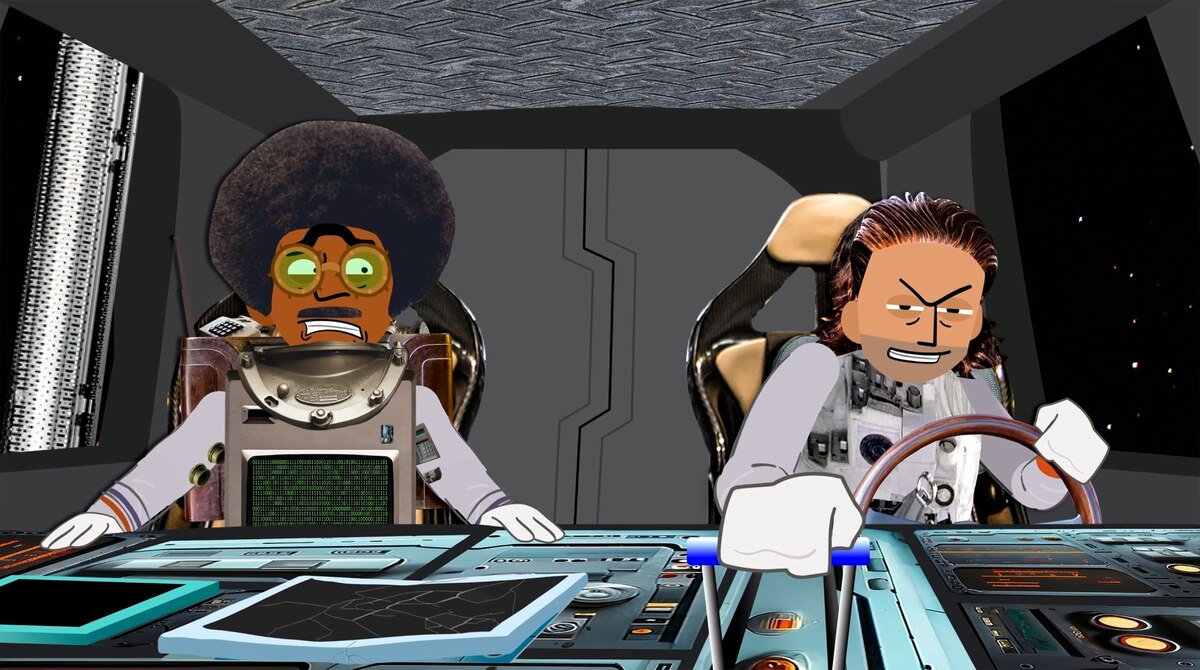
This partnership throws a huge wrench into the traditional animation industry. On one hand, it democratizes content creation, allowing stories that were previously too expensive to animate to finally find a visual medium. This means more diverse narratives and niche genres could get screen time. On the other hand, it raises legitimate concerns for human animators and artists. Will their jobs be replaced, or will their roles shift to ‘AI supervisors’ and ‘prompt engineers’? I lean towards the latter, at least for now. The current iteration of AI still needs human direction and refinement to achieve truly compelling, emotionally resonant animation. However, the sheer speed and cost reduction—a 50-minute series could theoretically be produced in 2-3 months versus 1-2 years—is undeniable and will force the industry to adapt. This isn’t just about HarperCollins; it’s a blueprint for any publisher or studio looking to scale content efficiently.
The Cost-Benefit Analysis for Publishers
The economic argument for AI animation is compelling. For a publisher like HarperCollins, the ability to convert a book series into an animated show for perhaps 15-20% of the traditional cost, and in a quarter of the time, presents an irresistible ROI. This allows them to test the waters with less popular titles, create spin-off content, or even produce animated shorts for marketing purposes. The reduced financial risk means they can be more experimental, potentially unearthing new hit franchises without betting millions on each one. This also means a faster feedback loop from audiences, allowing for quicker content iteration and adaptation.
Quality vs. Quantity: Can AI Truly Match Human Artistry?
This is the million-dollar question. While AI can generate technically proficient animation, the subtle artistry, unique character quirks, and emotional depth that human animators bring are still largely unmatched. Early AI animations often suffer from the ‘uncanny valley’ effect, where characters look almost human but feel slightly off, leading to viewer discomfort. Toonstar and HarperCollins will need to ensure that the quality doesn’t dip too low in pursuit of quantity. My take? For certain genres, especially educational or very stylized children’s content, AI is already good enough. For high-budget, emotionally complex narratives like a Pixar film, human artists are still indispensable. The line will blur, but true artistry will always find a place.
What This Means for Viewers and Aspiring Creators
For us, the viewers, this means more content, faster. Imagine finishing a new book series and an animated adaptation hitting your streaming service just a few months later. It opens up a world of niche stories that wouldn’t have made it to screen under traditional models. Think about all those beloved indie books or classic literary works that never got the visual treatment they deserved – now they might. For aspiring animators and storytellers, this is a double-edged sword. On one hand, it lowers the barrier to entry significantly. You won’t need a multi-million dollar studio to produce an animated short. Tools are becoming more accessible, and learning to prompt AI effectively is a new skill. On the other hand, it means competing with highly efficient AI systems, pushing creatives to focus on truly unique visions and the ‘human touch’ that AI still struggles to replicate.
Access to Niche Content
One of the most exciting prospects is the potential for a massive expansion of animated content beyond the traditional blockbusters. Publishers have thousands of titles in their back catalogs, many of which are perfect for animation but too niche or financially risky for traditional studios. AI animation can give these stories a new lease on life, reaching global audiences. This could lead to a ‘long tail’ of animated content, where obscure but beloved books find their dedicated fanbases in visual form, creating a more diverse and vibrant media ecosystem. I’m genuinely excited to see what forgotten gems get animated this way.
Interactive Storytelling Potential
While the initial focus is on linear shows, the underlying AI technology opens doors for interactive storytelling. Imagine animated shows where your choices as a viewer influence the plot, or where characters respond to your voice commands. The rapid generation capabilities of AI mean that multiple plot branches and character reactions could be pre-rendered or even generated on the fly, offering a truly personalized viewing experience. This is still a few years out for mainstream adoption, but the foundation laid by partnerships like Toonstar and HarperCollins is paving the way for a future where ‘watching a show’ becomes a much more dynamic and engaging activity.
Overcoming AI Animation’s Current Hurdles and Future Outlook
Let’s be real, AI animation isn’t perfect yet. I’ve seen enough weird hands and inconsistent character models to know we’re not at a point where AI can autonomously produce a Pixar-level feature. The ‘uncanny valley’ remains a challenge, especially for realistic character animation. Consistency across long-form content – ensuring a character’s design, clothing, and even minor facial moles remain identical across hundreds of scenes – requires significant human oversight. Then there are the legal and ethical minefields: who owns the copyright to AI-generated content? What data was used to train these models, and was it ethically sourced? These are questions the industry is grappling with right now. Despite these hurdles, the trajectory of AI development is steep. I expect these issues to be largely mitigated within the next 2-3 years, making AI an even more formidable tool in the creative arsenal.
Copyright and Data Training Concerns
A major sticking point for AI-generated content is intellectual property. If Toonstar’s AI models were trained on copyrighted animation or art without explicit permission, it opens up a legal quagmire. While HarperCollins owns the book IP, the generated animation itself could face challenges depending on the training data. There’s a push for ‘opt-out’ mechanisms and clearer attribution for AI models. Furthermore, who owns the *style* of an AI-generated show? These are complex questions that current legal frameworks are struggling to address, and they will undoubtedly lead to landmark court cases in the coming years, shaping how AI content is licensed and protected.
The Evolving Role of Human Creatives
I don’t believe AI will entirely replace human animators, but it will fundamentally change their roles. The future animator might spend less time on tedious in-betweening or frame-by-frame drawing and more time on high-level creative direction, prompt engineering, and refining AI outputs. Think of it less as replacement and more as augmentation. Artists will become ‘AI whisperers,’ guiding the algorithms to produce their vision. This shift requires new skills, and educational institutions are already adapting to train the next generation of creatives in AI-assisted workflows. Those who embrace these tools will likely find themselves at the forefront of the industry.
⭐ Pro Tips
- If you’re an indie author, start experimenting with tools like RunwayML or Kaiber now; basic subscriptions start around $15/month for decent outputs.
- Always review AI-generated animations for ‘uncanny valley’ moments; subtle human edits can make a huge difference in character appeal.
- For voice acting, don’t rely solely on default AI voices. Services like ElevenLabs offer custom voice cloning for about $5-$20/month, significantly improving quality.
- Before committing to a full series, produce a short pilot episode with AI tools. It can save thousands compared to traditional animation studios.
- Educate yourself on AI model biases; inconsistent character art or unintended stereotypes can creep into your AI-generated content.
Frequently Asked Questions
How does Toonstar’s AI animation compare to traditional methods?
Toonstar’s AI animation drastically cuts production time and cost, potentially reducing animation expenses by 80% and speeding up delivery from years to months. While it excels in efficiency, traditional methods often offer a higher degree of artistic nuance and emotional depth, particularly for complex, high-budget productions.
How much does it cost to animate a book with AI?
While specific Toonstar pricing isn’t public, AI-assisted animation can cost significantly less than traditional methods. A 22-minute episode might drop from $350,000+ to $50,000-$100,000, depending on complexity and style. Indie creators using public tools can animate shorts for a few hundred dollars monthly in subscription fees.
Is AI animation good enough for professional shows?
Yes, for certain genres like children’s educational content or highly stylized animation, AI is already proving viable for professional shows. For emotionally complex narratives or hyper-realistic animation, human oversight and refinement are still crucial to avoid the ‘uncanny valley’ and ensure high artistic quality.
When will I see shows animated by Toonstar and HarperCollins?
You can expect to see the first digital shows from the Toonstar and HarperCollins partnership appearing on streaming platforms within the next 12-18 months. Given AI’s rapid production cycle, they’ll likely roll out titles much faster than traditional animated series, starting with children’s and YA books.
What are the copyright implications of using AI to animate books?
Copyright for AI-generated content is complex. While HarperCollins owns the book’s IP, the animation’s ownership and the legality of the AI model’s training data are ongoing debates. Current regulations are still evolving, and future court cases will likely clarify the legal framework for AI-assisted creative works.
Final Thoughts
The Toonstar-HarperCollins deal isn’t just another tech announcement; it’s a major inflection point for the animation and publishing industries. This partnership signals a future where AI isn’t just assisting, but actively driving content creation, making animation more accessible and diverse than ever before. While challenges like creative quality and copyright remain, the sheer efficiency and cost-effectiveness of AI are undeniable. I think this is a net positive, opening up countless stories to new audiences. If you’re a content creator, start playing with these tools now. If you’re a viewer, get ready for a wave of new shows hitting your screens. The future of animation is here, and it’s powered by AI.



GIPHY App Key not set. Please check settings