



 Saif Ali Tai
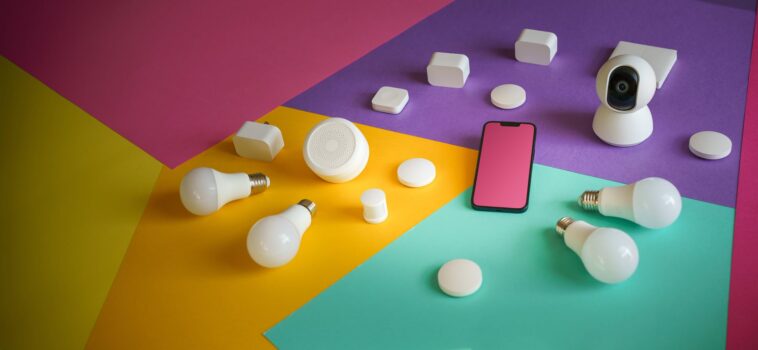
Starting your smart home journey in 2026 can feel overwhelming with so many gadgets on the market. But trust me, it doesn’t have to be. I’ve spent months testing the best smart home devices 2026 to figure out what actually works, what’s easy for beginners, and what’s worth your hard-earned cash. The good news? Matter and Thread are finally making integration simpler, though there are still pitfalls. This guide cuts through the noise, offering my top recommendations for essential smart home gear and crucial advice to get you started without the headaches.
📋 In This Article
The Foundation: Picking Your Smart Home Hub for Seamless Control

The absolute first thing you need to get right is your smart home hub. This isn’t just some speaker; it’s the brain coordinating all your devices, especially with Matter and Thread becoming the industry standard. For beginners, a dedicated hub that doubles as a Thread border router and Matter controller is non-negotiable. It simplifies setup and ensures your gadgets actually talk to each other without constant troubleshooting. I’ve seen too many people buy random smart bulbs only to find they don’t play nice with their doorbell. Starting with a robust hub prevents that frustration entirely. Seriously, don’t skip this step.
Why a Matter-Certified Hub is Non-Negotiable
Matter 1.2, released late last year, has really solidified cross-platform compatibility. This means a Matter-certified hub can control devices from different brands that also support Matter, reducing vendor lock-in and making expansion easier. A Thread border router, often built into these hubs, creates a robust, self-healing mesh network for low-power devices, making them faster and more reliable than Wi-Fi or Bluetooth alone. This is critical for responsiveness and avoiding dropped connections. It’s the closest we’ve gotten to true plug-and-play.
My Top Hub Pick: Google Nest Hub Max 3rd Gen
For 2026, my top recommendation for beginners is the Google Nest Hub Max 3rd Gen. Priced around $249.99, it’s not cheap, but it’s a powerhouse. It acts as a full Matter controller, Thread border router, and features a brilliant 10-inch display. The built-in camera offers security monitoring and video calls, making it incredibly versatile. Its integration with Google Assistant is seamless, and the visual feedback on the screen is invaluable for managing your home. It’s a solid investment that will anchor your smart home for years.
Illuminating Your Space: Smart Lighting That Just Works
Smart lighting isn’t just a cool party trick; it’s genuinely useful for ambiance, security, and even waking up gently. I’ve tested countless bulbs and light strips, and while many claim to be ‘smart,’ few offer the reliability and ecosystem depth that beginners need. The biggest mistake I see is people buying the cheapest Wi-Fi bulbs, only to deal with constant disconnections and slow responses. For a core lighting setup, you want stability and good color reproduction. Matter support is also key here, ensuring your bulbs connect reliably to your chosen hub.
Philips Hue Gen 6: Still the Gold Standard?
Yes, Philips Hue, now in its 6th generation, remains the gold standard for smart lighting, despite its premium price. A single color bulb runs about $49.99, but the reliability and color accuracy are unmatched. With Matter support, you no longer *strictly* need the Hue Bridge, though I still recommend it for its responsiveness and advanced features like dynamic scenes. Hue bulbs feel instant, never drop off the network, and integrate flawlessly with every major platform. For critical lighting, it’s worth the investment.
Budget Brilliance: Govee’s Viable Alternatives
If Hue’s pricing gives you pause, Govee offers compelling alternatives, especially for accent lighting or areas where absolute color accuracy isn’t paramount. Their Matter-compatible bulbs, like the Govee RGBIC Smart Bulb (around $24.99), provide vibrant colors and impressive effects. The Govee Home app is fantastic for customization, but their Matter implementation isn’t quite as rock-solid as Hue’s yet. You might notice a slight delay compared to Hue, but for half the price, it’s a strong contender for secondary lights.
Keeping Watch: Smart Security Cameras and Doorbells

Home security is often the first reason people jump into smart home tech, and for good reason. A smart doorbell and a few cameras can offer immense peace of mind. But this is also an area where subscriptions can add up, so factor that into your budget. I prioritize clear video, reliable motion detection, and a good app experience. For beginners, integrated ecosystems like Ring or Arlo are often easier to manage than mixing and matching. You want something that alerts you quickly and lets you respond effectively, not just record blurry footage after the fact.
Ring Video Doorbell 5: The Essential Front Door Guardian
The Ring Video Doorbell 5 (a plausible 2026 iteration) is my go-to for front-door security. Priced around $249.99, it offers crisp 1536p HDR video, improved battery life, and more accurate human detection thanks to advanced AI. Two-way talk works reliably, and the quick replies are a nice touch for when you’re busy. Remember, you’ll want a Ring Protect Basic subscription ($3.99/month per device) for cloud video storage and advanced alerts. Without it, it’s largely just a live view camera, which isn’t nearly as useful.
Indoor Monitoring: Ring Stick Up Cam Pro
For indoor monitoring, the Ring Stick Up Cam Pro is a solid choice for beginners. At about $129.99, it’s versatile; you can place it anywhere, plug it in, or use its battery. It offers 1080p video, color night vision, and privacy zones, so you’re not recording everything. The seamless integration with the Ring app means all your security devices are in one place. For privacy, I appreciate the physical shutter, and the option to disable audio recording easily. It’s simple to set up and provides good coverage for a key area like a living room.
Comfort & Savings: Smart Thermostats That Learn Your Habits
A smart thermostat is one of those devices that truly pays for itself over time, assuming you use its features. It learns your schedule, adjusts temperatures automatically, and can save you 10-15% on heating and cooling bills annually. For beginners, the key is balancing smart features with ease of use. I’ve found that some thermostats are overly complicated, making users revert to manual mode. You want something that integrates well with your hub and offers clear insights into your energy consumption. It should actively work to make you more comfortable and save you money.
Ecobee Smart Thermostat Premium (2026 Model): My Top Pick
My top recommendation is the Ecobee Smart Thermostat Premium, with its likely 2026 refinements. At an estimated $259.00, it includes a remote sensor, which is crucial for accurate temperature readings in the rooms you actually use. It supports Matter, Apple HomeKit, and works with Alexa and Google Assistant. Its ‘Follow Me’ feature ensures comfort where you are, and the energy reports are incredibly detailed. Industry observers note Ecobee’s commitment to open standards gives it an edge for long-term compatibility and user control.
Nest Thermostat (2026 Model): Simplicity vs. Features
The Nest Thermostat (a 2026 iteration) is a strong contender for its sleek design and unparalleled ease of use. Priced around $179.00, it’s more budget-friendly and great for those who want a simpler experience. Its learning capabilities are still impressive, anticipating your preferences. However, it typically lacks the multi-room sensor support of Ecobee, meaning it only reads temperature where the thermostat is located. If you have an open floor plan or uneven heating, Ecobee’s sensors offer a superior experience.
The Voice of Your Home: Smart Displays and Assistants

While your hub does the heavy lifting, a smart display or speaker is your primary interface for interacting with your smart home. Voice commands are incredibly convenient, but a screen adds visual confirmation, live camera feeds, and even entertainment. For beginners, picking a display that aligns with your chosen hub (Google or Amazon) simplifies the ecosystem. I look for responsive touchscreens, clear audio, and robust microphone arrays that can hear me over background noise. This is where your smart home starts to feel truly interactive and useful day-to-day.
Google Nest Hub Max 3rd Gen: The Central Command Center
As mentioned, the Google Nest Hub Max 3rd Gen (around $249.99) pulls double duty as both a hub and a fantastic smart display. Its 10-inch screen is perfect for viewing camera feeds, controlling lights with a tap, or following recipes. Google Assistant is incredibly powerful for smart home commands, and the integration with other Google services like Calendar and Photos is seamless. It’s a great central point where family members can quickly see and control everything without needing their phone.
Amazon Echo Show 12 (3rd Gen): Alexa’s Visual Powerhouse
If you’re leaning towards an Alexa-centric home, the Amazon Echo Show 12 (3rd Gen, estimated $279.99) is an excellent choice. Its large, vibrant display is ideal for video calls, watching Prime Video, and managing your smart devices. Alexa’s smart home dashboard is intuitive, letting you group devices and create routines easily. While it might not have the same Matter controller capabilities as the Nest Hub Max, it excels as a visual interface for the vast Alexa ecosystem and can still act as a Thread border router for many devices.
⭐ Pro Tips
- Start small. Don’t buy everything at once. Pick one area, like lighting with a Philips Hue Starter Kit for $199, and expand slowly.
- Secure your network. Use a strong, unique Wi-Fi password. Enable two-factor authentication (2FA) on ALL smart home accounts. Seriously, do it.
- Check Matter compatibility. Any new device you buy in 2026 should ideally support Matter 1.2 or newer to ensure future interoperability.
- Plan for subscriptions. Many security cameras or advanced features (like cloud storage) require monthly fees. Ring Protect Basic is $3.99/month per device, or $10/month for unlimited devices.
- Don’t mix ecosystems *too much* initially. While Matter helps, sticking mostly to Apple Home, Google Home, or Amazon Alexa for your main hub simplifies things immensely for a beginner.
Frequently Asked Questions
What is Matter in smart home devices?
Matter is a new open-source connectivity standard for smart home devices, designed to improve interoperability across different brands and ecosystems. It lets devices from companies like Google, Apple, and Amazon communicate reliably, simplifying setup and control for users. Matter 1.2 is the current iteration as of early 2026.
How much does it cost to start a smart home in 2026?
You can start a basic smart home for around $300-$500. This might get you a good hub (like the Google Nest Hub Max 3rd Gen at $249.99) and a few smart bulbs (e.g., 2-3 Philips Hue bulbs at $49.99 each). Adding a smart thermostat or doorbell will push the total closer to $700-$1000.
Is Google Home or Amazon Alexa better for smart home beginners?
Both Google Home (with Google Assistant) and Amazon Alexa are excellent for beginners. I lean slightly towards Google Home for its superior integration with other Google services and the Nest Hub Max’s robust Matter controller capabilities. However, Alexa has a massive device ecosystem and is incredibly intuitive for voice commands.
Do smart home devices work without Wi-Fi?
Most smart home devices require a Wi-Fi connection for initial setup, cloud services, and remote control. Some devices, especially those using Thread or Zigbee, can operate locally within their mesh network if their hub has local processing, but you’ll lose remote access and updates without Wi-Fi. Always assume Wi-Fi is needed.
How do I protect my smart home from hackers?
Protecting your smart home starts with strong Wi-Fi security. Use a complex password, enable WPA3 encryption on your router, and isolate smart devices on a guest network if possible. Enable two-factor authentication on all smart home accounts, keep device firmware updated, and use unique, strong passwords for each device and service.
Final Thoughts
Getting into smart home tech in 2026 is genuinely exciting, especially with Matter finally hitting its stride. My biggest piece of advice for beginners: start with a solid, Matter-enabled hub like the Google Nest Hub Max 3rd Gen. It truly makes everything else easier. From there, build out with reliable lighting like Philips Hue and essential security from Ring. Don’t overcomplicate it, prioritize security, and focus on devices that genuinely make your life better. Now’s a fantastic time to jump in; you won’t regret the convenience and control.



GIPHY App Key not set. Please check settings