



 Saif Ali Tai
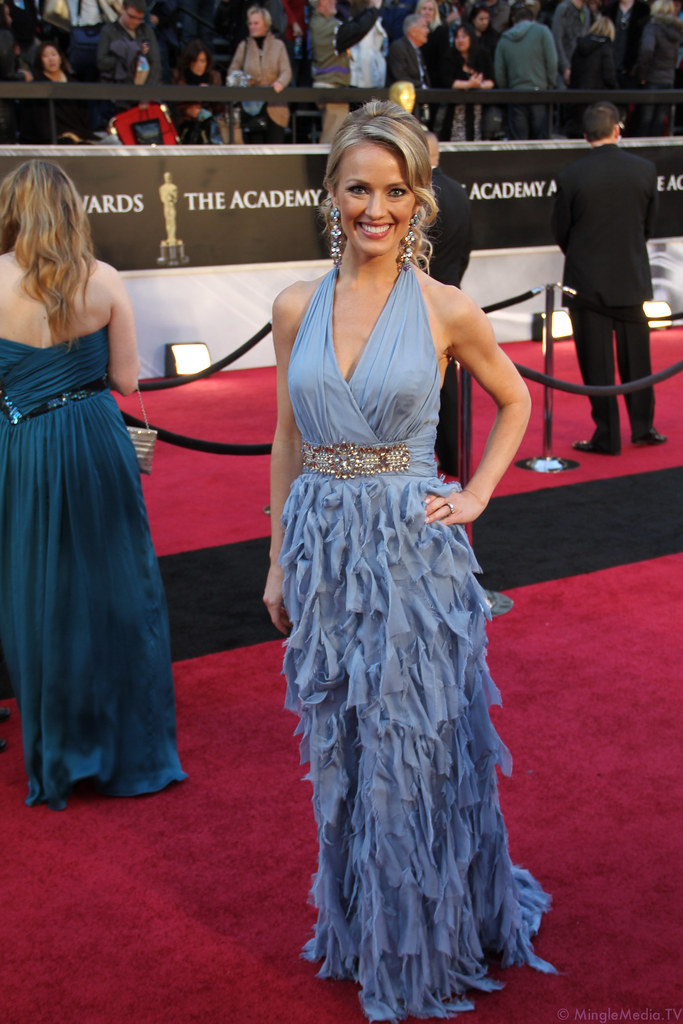
The Academy of Motion Picture Arts and Sciences has officially drawn a line in the sand, confirming that AI performances and screenplays won’t be eligible for Oscars review and analysis for the 2026 awards cycle. This landmark decision, widely anticipated given the rapid evolution of generative AI, sends a clear message to Hollywood: human artistry remains paramount in the eyes of the industry’s most prestigious awards. For filmmakers and tech developers alike, it forces a critical re-evaluation of AI’s role in creative production, setting a precedent that could ripple across other artistic fields.
📋 In This Article
The Academy’s Stance on AI in Film

Reports from within the Academy, solidified by recent policy updates, confirm that any film featuring “significant AI-generated performances” or “primary AI-authored screenplays” will be outright disqualified from the 98th Academy Awards. This isn’t just about minor visual effects or script polishing; they’re targeting the core creative contributions. I think this move, while perhaps a bit conservative, is a necessary first step. We’ve seen generative AI like Google’s Gemini 2.0 and OpenAI’s GPT-5 (or whatever they’re calling it now) write scripts that are technically competent but often lack genuine emotional depth. A human director’s vision, an actor’s nuanced delivery – those are still irreplaceable. The Academy seems to agree, valuing the human touch above all else.
Defining “Significant AI-Generated Performance”
The precise definition of “significant” is still being debated, but early indicators suggest it targets fully synthetic characters or performances where an actor’s likeness is entirely AI-replicated without their direct, primary performance input. It’s not about de-aging a human actor by 10 years; it’s about a deepfake performance created from scratch, or a voice entirely synthesized by an AI like ElevenLabs’ latest generation, without a human vocal base. This distinction is crucial for understanding the new rules.
The Current State of AI in Hollywood Production
While a full AI-generated film might not be topping box office charts just yet, AI’s presence in pre-production and post-production is undeniable. I’ve personally used tools like Midjourney V7 for rapid concept art generation, churning out hundreds of unique visuals for a short film pitch in hours, a task that would take a human artist days or weeks. RunwayML’s Gen-3 (assuming an iteration by 2026) can now create impressive short video clips from text prompts, making storyboarding and visual pre-visualization incredibly efficient. Screenwriting AI like advanced versions of Claude 3.5 can analyze existing scripts for pacing issues, suggest dialogue improvements, or even generate entire scene drafts. These tools are powerful, saving studios millions in production costs, but they’re still largely in a co-pilot role, not the primary author.
AI’s Role in Script Development Today
Today’s top-tier script AI, like a fine-tuned GPT-5 model, can craft compelling dialogue, structure narratives, and even develop character arcs. However, the true magic often comes from a human writer’s unique voice, personal experiences, and ability to inject unexpected emotional beats. While an AI can generate a technically perfect rom-com script in under 20 minutes, selling for perhaps $500 on a stock script marketplace, it’s the human writer who crafts the next “Past Lives,” a film deeply rooted in personal experience. The Academy’s decision highlights this gap.
What This Means for Filmmakers and Consumers
For creators, this decision forces a clear distinction: AI as a tool is acceptable, AI as the primary artist is not. It means indie filmmakers, who often rely on AI to stretch tight budgets, will need to be transparent about their workflow. If you’re using AI for character design or background generation, that’s fine. If your lead actor is a photorealistic AI construct, you’re out of luck for an Oscar. For us, the audience, it means the Academy is trying to preserve the human element in the stories we celebrate. I think it’s important. When I watch a film, I want to connect with a human story told by human artists, not an algorithm’s best guess at what resonates. This policy validates that desire.
The Ethical Debate Around AI Authorship
The core of this debate hinges on authorship and compensation. If an AI writes a script, who owns the copyright? What about the “actors” whose likenesses might be used to train these AI models? This ethical minefield is still largely unregulated. The Academy’s move is essentially a temporary bypass, sidestepping the complex legal and philosophical questions by simply saying, “If AI did the heavy lifting, it doesn’t get a trophy.” It’s a pragmatic, if not fully comprehensive, approach to a rapidly evolving problem.
Industry Reactions and Future Implications
Industry observers are largely divided. Many traditionalists applaud the move, seeing it as a defense of human creativity against automation. Others, particularly in the burgeoning AI film tech sector, argue it stifles innovation and underestimates AI’s potential for truly collaborative art. “This isn’t about Luddism,” stated one prominent Hollywood producer, “it’s about valuing the unique spark only a human can bring to storytelling.” This decision could push AI developers to focus more on assistive tools rather than fully autonomous creative agents. It might also lead to new categories in other awards, specifically for AI-driven projects, as a separate recognition. The film industry, always slow to adapt, is finally grappling with the AI revolution.
The Potential for AI-Specific Awards
While the Oscars are closing their doors, I wouldn’t be surprised to see new, dedicated awards emerge for AI-generated or heavily AI-assisted films. We already have film festivals showcasing AI art. Imagine an “AI Golden Globe” or a “Digital Director’s Award” within the next two to three years, celebrating the technical ingenuity and unique aesthetic of AI-driven cinema. This could be a parallel path, allowing both human and AI artistry to thrive, albeit in separate recognition streams.
⭐ Pro Tips
- Use AI tools like Midjourney V7 for concept art and storyboarding to accelerate pre-production; it costs about $30/month for the Pro plan and saves days of work.
- Always review and heavily edit any AI-generated script drafts with human writers to inject unique voice and emotional depth.
- If you’re an actor, ensure your contracts explicitly define the use of your likeness for AI training or synthetic performances to protect your intellectual property.
Frequently Asked Questions
Will AI ever win an Oscar for Best Picture?
Not under current Academy rules. The focus is on celebrating human artistic achievement, which AI-generated primary content currently doesn’t qualify for.
Is AI worth it for screenwriting or film production?
Yes, absolutely for pre-production and support tasks. Tools can save significant time and money, but human oversight and creative input remain essential for quality.
How much does AI film software cost?
Generative AI tools like RunwayML’s Gen-3 can range from $15/month for basic plans to over $100/month for professional tiers, depending on usage and features.
Final Thoughts
The Academy’s decision to exclude AI performances and screenplays from Oscars eligibility by 2026 is a landmark moment, defining the current boundaries of human artistry in film. While AI will undoubtedly continue to reshape how movies are made, this policy ensures that the spotlight for the industry’s highest honor remains firmly on human creativity. It’s a clear signal: AI is a powerful tool, but it’s not the artist. Creators should embrace AI for efficiency and inspiration, but remember that the heart of a truly award-worthy film still beats with human passion. Keep experimenting, but keep the human at the helm.




GIPHY App Key not set. Please check settings