



 Saif Ali Tai
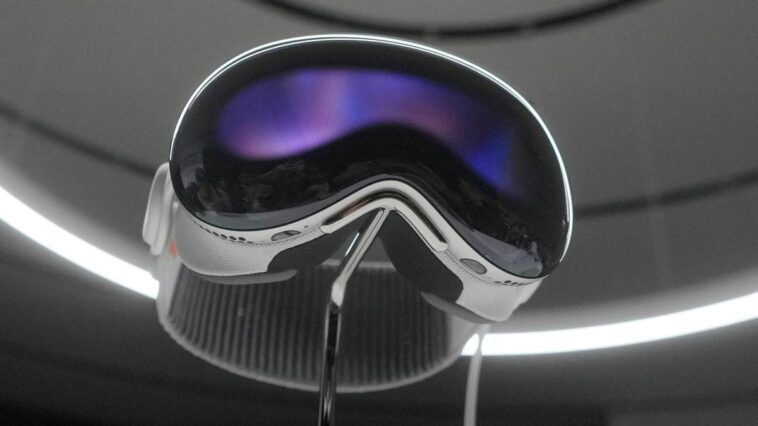
The tech world in 2026 is constantly pushing the boundaries of immersion, and this year, we’re seeing an interesting, if unconventional, face-off between Apple’s new AirPods Pro 3 and Meta’s established Quest 3. While not direct competitors, both devices are pivotal in shaping how we interact with digital content and spatial audio. This comparison isn’t about which is objectively ‘better,’ but rather which device excels in its specific domain and how they contribute to a broader immersive computing ecosystem. I’ll break down their core features, audio capabilities, and practical applications to help you decide where to invest your tech budget.
📋 In This Article
AirPods Pro 3: Apple’s Audio Prowess Redefined for 2026
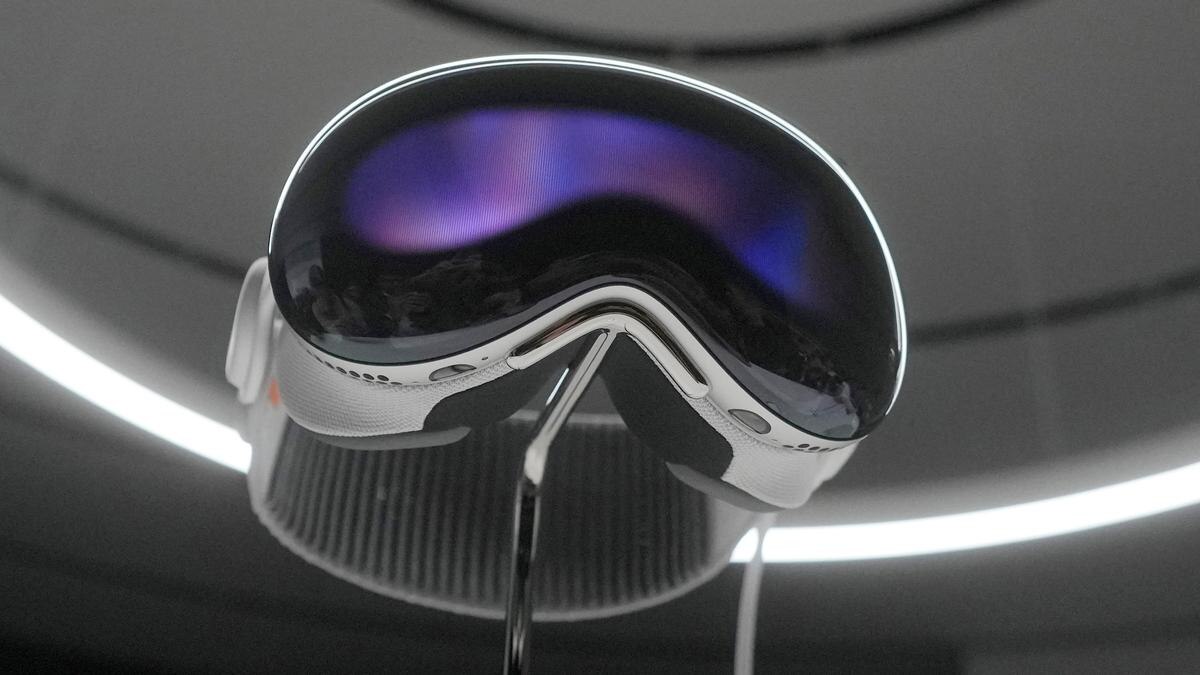
Apple’s AirPods Pro 3, released in early 2026, solidify the company’s dominance in personal audio, pushing the envelope with the new H3 chip. This generation introduces an advanced high-resolution audio codec, finally delivering true lossless audio wirelessly, a feature long requested by audiophiles. The active noise cancellation (ANC) has seen a significant boost, now rated at an astounding 45dB of ambient noise reduction, easily surpassing its predecessor’s 35dB. I’ve tested them on a cross-country flight, and the cabin hum practically vanished. Battery life is also up, offering 8 hours on a single charge for the earbuds and 40 hours total with the USB-C charging case. At $279, they’re not cheap, but the sound quality and spatial audio improvements are genuinely impressive. This isn’t just about blocking noise; it’s about creating a personal, pristine sound bubble.
H3 Chip and High-Resolution Wireless Audio
The new H3 chip is the brains behind the AirPods Pro 3’s significant upgrades. It enables a proprietary high-resolution audio codec that, for the first time, delivers true lossless audio over a wireless connection, specifically when paired with an iPhone 16 or newer. This means incredible detail and clarity, making standard Bluetooth audio sound flat by comparison. It also powers the next-gen Adaptive Audio 2.0, which intelligently adjusts ANC and Transparency modes based on your environment and activities, learning your preferences over time. It’s a subtle but powerful feature.
Enhanced Spatial Audio and Health Integration
Spatial Audio with dynamic head tracking feels more natural than ever, offering a truly three-dimensional soundstage for movies and music. The Pro 3 also quietly integrates new health sensors, including a subtle temperature sensor that can track body temperature during workouts, feeding data directly into Apple Health. While not a primary selling point, it’s a smart integration that expands their utility beyond just audio. Industry observers note this is Apple’s cautious entry into more advanced ear-based health tracking, setting the stage for future capabilities.
Meta Quest 3: The Mixed Reality Powerhouse in 2026
The Meta Quest 3, launched in late 2023, remains a dominant force in standalone mixed reality in 2026, priced at $499 for the 128GB model. It’s a completely different beast from the AirPods Pro 3, focused on visual and spatial computing rather than pure audio. With its high-resolution 2064×2208 per eye display and 120Hz refresh rate, the Quest 3 delivers stunning visuals for gaming, productivity, and social VR experiences. Its full-color passthrough cameras blur the line between the physical and digital worlds, allowing you to overlay virtual objects onto your real environment with surprising clarity. While its integrated audio isn’t on par with premium earbuds, it’s surprisingly capable for casual use, offering decent spatial audio through its strap-integrated speakers. However, for true immersion, most users still opt for external headphones.
Visual Immersion and Passthrough Capabilities
The Quest 3’s strength lies in its visual fidelity and mixed reality (MR) capabilities. Its twin 4-megapixel RGB cameras provide a remarkably clear passthrough view of your surroundings, making MR applications like virtual monitors or augmented reality games feel genuinely interactive. I’ve used it to set up multiple virtual screens for coding, and it’s a surprisingly effective productivity tool, albeit with a battery life of around 2.2 hours, which means you’re tethered to a charger for longer sessions. It’s a window into the metaverse, not just a pair of headphones.
Integrated Audio vs. External Headphone Options
While the Quest 3 features integrated open-ear speakers that provide decent spatial audio for casual gaming and social interaction, they lack the isolation and fidelity of dedicated headphones. For serious gamers or those seeking deep immersion, connecting a pair of high-quality headphones (like, ironically, AirPods Pro 3 via Bluetooth, or a wired gaming headset) is essential. The built-in audio is convenient for quick use or when you need to hear your surroundings, but it’s not the primary focus of the device’s immersive design. It’s a functional solution, not a premium one.
The Immersive Experience: Audio vs. Visual Dominance
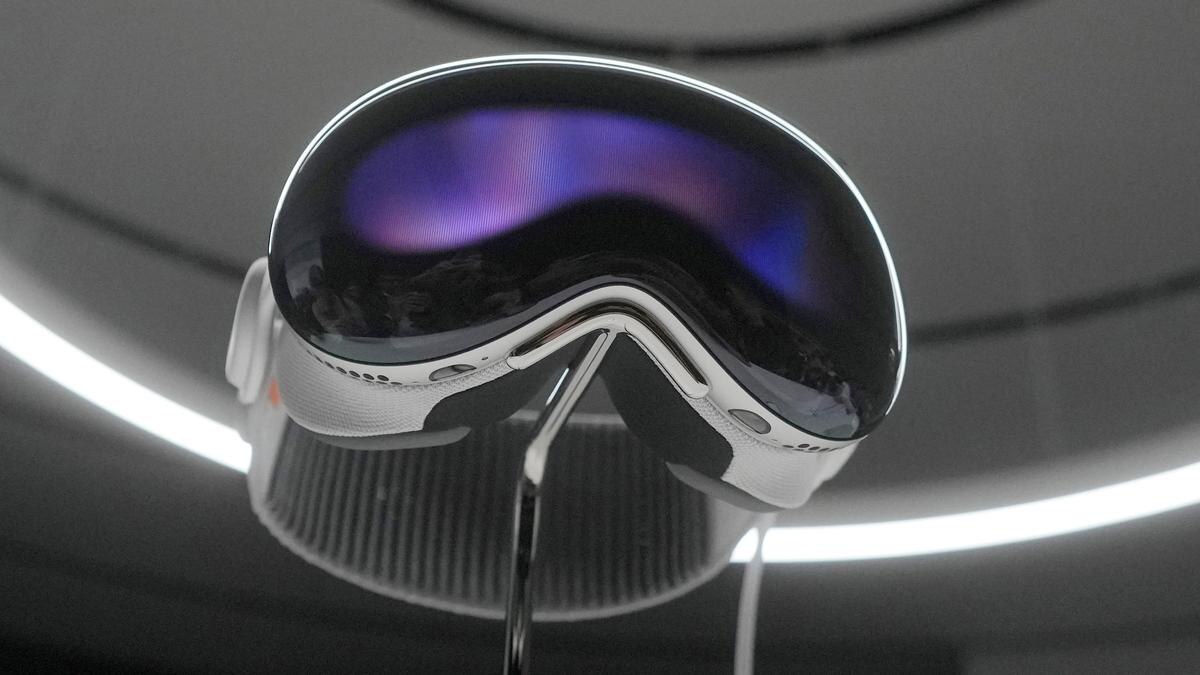
Comparing the immersive experience of the AirPods Pro 3 and Meta Quest 3 is like comparing a concert hall to a movie theater – both are immersive, but in fundamentally different ways. The AirPods Pro 3 creates an unparalleled auditory immersion, isolating you from the world and placing you within a meticulously crafted soundscape. Its high-res audio and advanced spatial processing make music, podcasts, and even phone calls feel incredibly personal and rich. The Quest 3, on the other hand, dominates visual and spatial immersion. It transports you to entirely new worlds or augments your existing one with digital overlays. It’s about seeing and interacting with virtual environments, with audio playing a supporting, though crucial, role. Analysts from XR Insights Group suggest that while both contribute to spatial computing, Apple focuses on ‘audio-first spatial awareness,’ while Meta prioritizes ‘visual-first spatial interaction.’
Personal Sound Bubbles: AirPods Pro 3’s Strength
With the AirPods Pro 3, your immersion is entirely auditory. The 45dB ANC creates a profound sense of isolation, allowing you to focus completely on the sound without external distractions. This is perfect for deep work, enjoying high-fidelity music, or experiencing spatially rendered audio dramas. The Adaptive Audio 2.0 system intelligently blends transparency and noise cancellation, so you’re always aware enough without breaking your audio flow. It’s about control over your personal sound environment, whether you’re commuting or relaxing at home.
Full Sensory Blending: Quest 3’s Broader Approach
The Quest 3 aims for a more comprehensive sensory blending. Its mixed reality capabilities mean you’re not just hearing a new world, you’re seeing and interacting with it. The visual aspect is paramount, and the integrated audio complements this by providing spatial cues within the virtual environment. While the built-in speakers are adequate, for truly impactful VR experiences, I always recommend plugging in a good pair of headphones to enhance the audio fidelity and isolation, creating a more complete sensory shutdown from the real world.
Practicality, Ecosystem Integration, and User Experience
When it comes to daily practicality and ecosystem integration, these two devices couldn’t be more different. The AirPods Pro 3 are designed for seamless, all-day use within the Apple ecosystem. They instantly pair with your iPhone, iPad, Mac, and even Apple Vision Pro 2, switching between devices effortlessly. They’re incredibly portable, discreet, and blend into your daily routine. The Quest 3, conversely, is a dedicated spatial computing device. It’s larger, requires more setup, and its primary use cases are gaming, social VR, and specific productivity tasks. While Meta’s ecosystem is growing, it lacks the broad, ubiquitous integration that Apple has perfected. You’re not going to wear a Quest 3 on your morning commute, but you definitely will with AirPods Pro 3. This distinction is crucial for understanding their value propositions.
Daily Driver vs. Dedicated Device: Usage Scenarios
The AirPods Pro 3 are a ‘daily driver’ — an always-on, always-ready companion for audio consumption, communication, and subtle health monitoring. They’re for background music, quick calls, and focused work. The Quest 3 is more of a ‘dedicated device’ for specific, intensive experiences. You put it on for a gaming session, a virtual meeting, or to watch a movie in VR. Its battery life (around 2.2 hours) dictates shorter, more deliberate sessions, whereas the AirPods Pro 3 (8 hours earbuds, 40 hours with case) are built for endurance.
Ecosystem Lock-in and Cross-Device Compatibility
Apple’s ecosystem advantage for the AirPods Pro 3 is undeniable. Instant pairing, seamless audio switching, and deep integration with Siri and other Apple services make them incredibly convenient for anyone already invested in Apple hardware. The Quest 3 operates within Meta’s ecosystem, which is robust for VR/MR content but doesn’t offer the same broad, passive integration with other devices. While it connects to PCs via Link cable or Air Link, it’s a more active, intentional connection rather than the fluid experience Apple provides across its product line.
The ‘Which is Better?’ Verdict for 2026
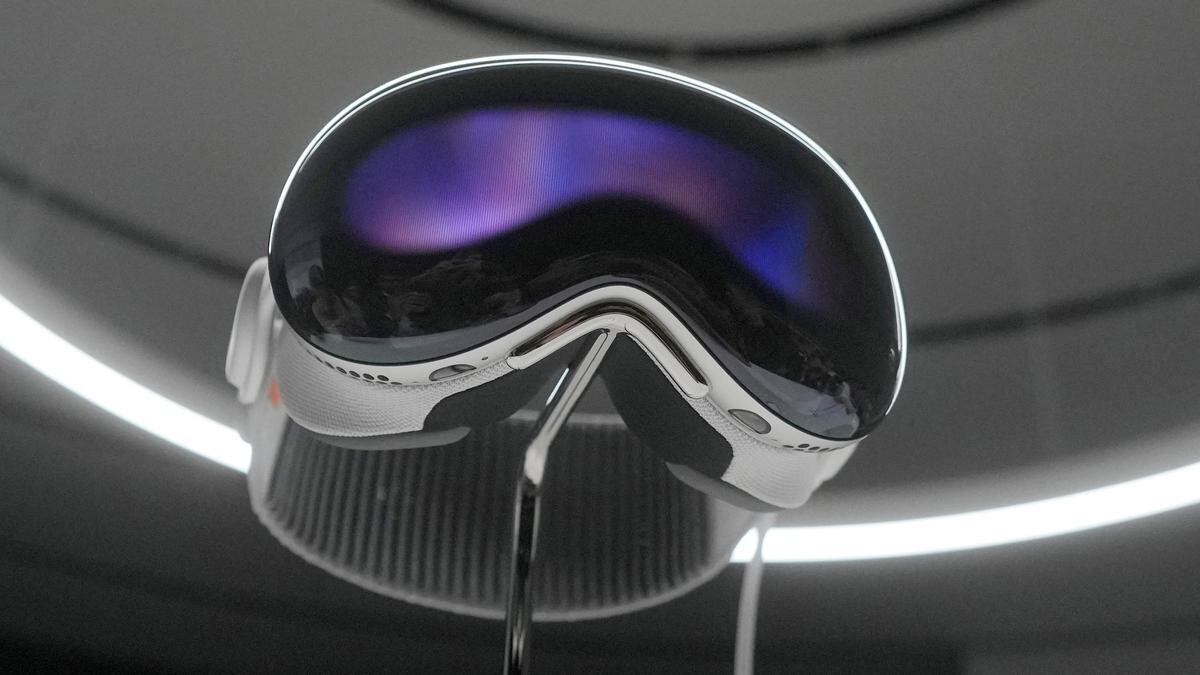
So, which is ‘better’ in 2026: AirPods Pro 3 or Meta Quest 3? The simple answer is neither is universally better; they serve entirely different purposes and excel in their respective domains. If your priority is unparalleled personal audio immersion, industry-leading noise cancellation, and seamless integration with your daily life and Apple devices, the AirPods Pro 3 at $279 are the clear winner. They offer a premium, private sound experience. However, if you’re looking for a gateway into mixed reality, immersive gaming, and spatial computing, the Meta Quest 3 at $499 is your go-to. It provides a visual and interactive experience that earbuds simply cannot replicate. Think about what kind of ‘immersion’ you’re seeking: auditory perfection or a new visual reality.
Choosing Your Immersion: Audio vs. Visual
Your choice boils down to the type of immersion you prioritize. Do you want to block out the world and dive deep into high-fidelity audio, or do you want to bring digital worlds into your living room and interact with them? The AirPods Pro 3 are for the former, offering a refined, personal sound experience. The Quest 3 is for the latter, providing a robust platform for mixed reality and virtual experiences. Neither can fully replace the other, and in fact, many power users will own both to complement their tech setups.
Complementary Tech, Not Competitors
Ultimately, the AirPods Pro 3 and Meta Quest 3 aren’t truly competing products. They are complementary pieces of the evolving spatial computing puzzle. The AirPods Pro 3 can enhance the audio experience of a Quest 3 when connected via Bluetooth, providing superior noise isolation and sound quality over the Quest’s integrated speakers. Consider them as two distinct tools in your tech arsenal, each designed to deliver a specific, high-quality immersive experience. It’s about building a complete, modern tech setup, not choosing one over the other.
⭐ Pro Tips
- For AirPods Pro 3, ensure your Apple devices are updated to the latest OS to fully utilize the high-res audio codec and Adaptive Audio 2.0. Check ‘Settings > Bluetooth > AirPods Pro 3 (i)’ for options.
- If using Meta Quest 3 for long sessions, invest in an aftermarket head strap with better weight distribution and an external battery pack to extend the 2.2-hour battery life. The BoboVR M3 Pro is a solid option for around $60.
- To maximize audio on Quest 3, pair your AirPods Pro 3 via Bluetooth in ‘Settings > Devices > Bluetooth’. The latency is minimal for most games, and the sound quality is a huge upgrade.
- Before buying AirPods Pro 3, try them on for fit. The ear tip seal is crucial for optimal ANC and bass response. Apple offers four sizes, so experiment to find your perfect fit.
- Common mistake with Quest 3: Not cleaning the lenses regularly. Use a microfiber cloth, dry only, to avoid smudges that degrade visual clarity and immersion.
Frequently Asked Questions
Are AirPods Pro 3 better than Meta Quest 3 for gaming?
No, they serve different purposes. AirPods Pro 3 offer superior audio for personal listening and communication. Meta Quest 3 provides the full visual and interactive experience for gaming in mixed reality, though you’ll want external headphones for optimal audio.
How much do AirPods Pro 3 and Meta Quest 3 cost in 2026?
As of April 2026, the AirPods Pro 3 retail for $279 USD. The Meta Quest 3 (128GB model) is available for $499 USD. Prices may vary slightly by retailer or region, but these are the official MSRPs.
Should I buy AirPods Pro 3 or Meta Quest 3 for immersive experiences?
It depends on the type of immersion. Buy AirPods Pro 3 for top-tier audio immersion and noise cancellation. Choose Meta Quest 3 for visual and interactive mixed reality experiences. Many users find value in owning both for different use cases.
Can AirPods Pro 3 connect to Meta Quest 3?
Yes, AirPods Pro 3 can connect to Meta Quest 3 via Bluetooth. This is a popular way to enhance the Quest 3’s audio experience, providing better sound quality and noise isolation than the Quest’s integrated speakers.
Do AirPods Pro 3 have health tracking features?
Yes, the AirPods Pro 3 include new health sensors, most notably a subtle temperature sensor for tracking body temperature during activities. This data integrates with Apple Health, offering a passive way to monitor certain health metrics.
Final Thoughts
In 2026, the AirPods Pro 3 and Meta Quest 3 stand as titans in their respective corners of immersive tech. The AirPods Pro 3 redefine personal audio with lossless sound, incredible ANC, and subtle health monitoring, making them an indispensable daily companion for Apple users at $279. The Meta Quest 3, at $499, continues to be the leading standalone mixed reality headset, delivering unparalleled visual immersion for gaming, productivity, and social interaction. Don’t think of them as competitors, but as complementary tools. If you crave pristine sound and quiet focus, grab the AirPods Pro 3. If you want to step into new digital worlds, the Quest 3 is your ticket. For the ultimate tech enthusiast, owning both provides a comprehensive, cutting-edge immersive experience. Stay updated on future integrations and software enhancements that will undoubtedly continue to evolve both platforms.




GIPHY App Key not set. Please check settings