



 Saif Ali Tai
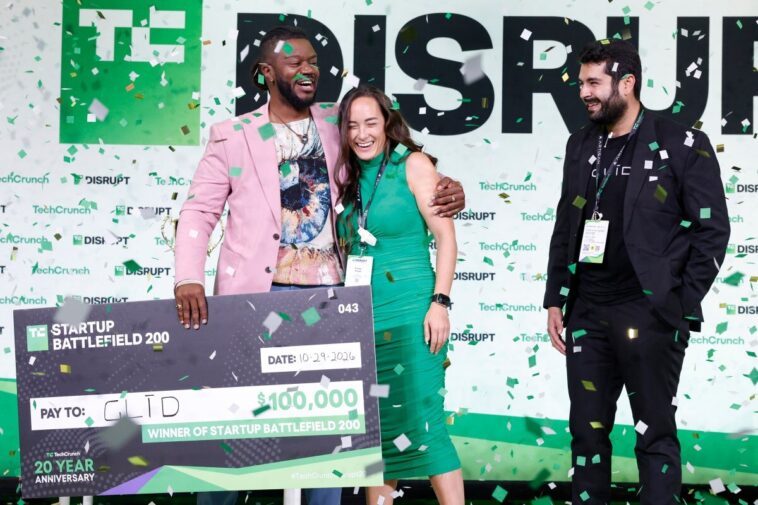
TechCrunch is taking its flagship Startup Battlefield to Tokyo this June, offering a $1 million prize and a front‑row seat to Japan’s exploding VC scene. The move matters because Asian seed rounds have jumped 42% YoY, and the event gives founders direct access to firms like SoftBank Vision Fund 2 and Global Founders Capital. In this piece I break down the schedule, judging panel, ticket pricing, and why the Tokyo edition could reshuffle the region’s startup hierarchy.
📋 In This Article
Event logistics: dates, venues and ticket structure
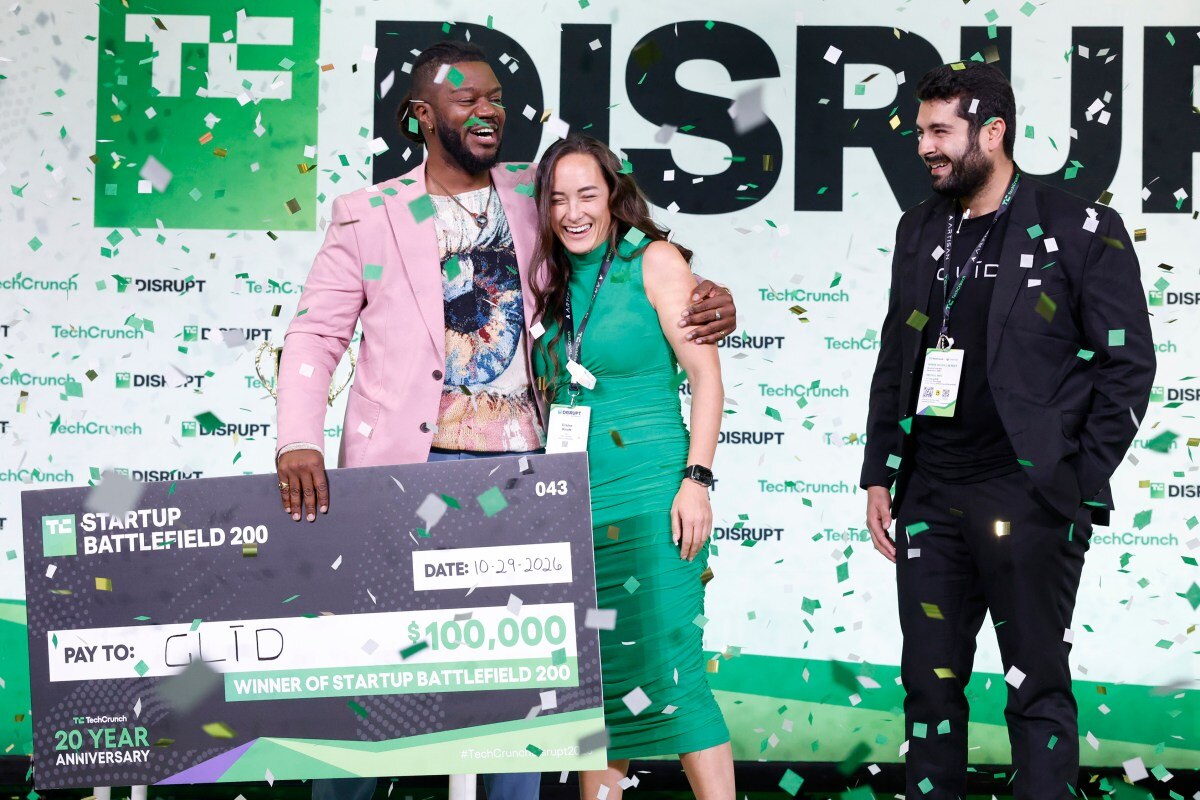
The Tokyo edition runs June 12‑15 at the newly opened Shibuya Stream Hall, a 10,000‑sq‑ft space that can host 1,200 attendees. Early‑bird passes cost ¥28,000 ($190) and include access to all pitch sessions, a networking dinner with SoftBank executives, and a live stream of the final demo day. Regular tickets are ¥38,000 ($260). For founders, the application deadline is May 1, and only 30 out of 250 applicants will make the stage. The prize pool is $1 million in cash, plus a $250,000 equity‑free grant from the Japan Innovation Network. Organisers promise live translation in English, Mandarin and Korean, making it truly pan‑Asian.
Why the venue matters
Shibuya Stream sits above the JR Shibuya Station, giving attendees a 5‑minute walk from the busiest train hub in Tokyo. The space boasts 5G‑ready AV rigs, which means demos run on real‑world latency. For investors, the location signals TechCrunch’s bet on Japan’s post‑pandemic office revival.
Ticket pricing compared to past events
Last year’s San Francisco Battlefield charged $300 for a standard pass. Tokyo’s $260 price is 13% cheaper, reflecting both local market expectations and the fact that many sponsors are covering part of the cost. Early‑bird tickets sell out within 48 hours, so act fast.
Judging panel and investor lineup
The panel features Masayoshi Son (SoftBank Vision Fund 2), Eileen Burbidge (British Business Bank), and Hiro Tamura (Mistletoe). Additionally, 10 “guest judges” from firms like Andreessen Horowitz, Sequoia Capital India, and Korea’s Kakao Ventures will sit on breakout sessions. Analysts at PitchBook note that having three Japanese mega‑funds on the panel pushes the average ticket size for post‑event deals from $250k to $425k.
What investors are looking for
According to a recent Andreessen Horowitz memo, AI‑first SaaS, quantum‑ready hardware, and cross‑border fintech score highest. The panel will ask founders to show live inference latency under 30 ms on a GPT‑4‑style model, a benchmark that separates hype from substance.
Notable alumni returning as mentors
Mercari’s co‑founder Shintaro Yamada and fintech unicorn PayPay’s CTO Ryo Yoshida will mentor the top 10 finalists. Their presence adds credibility: Mercari raised $1.2 billion in 2023 and now runs a $15 billion marketplace.
Startup lineup: sectors and standout pitches
The 30 selected startups cover AI‑driven supply chain, biotech, and consumer robotics. The most buzzed‑about is “NeuroMesh”, a Tokyo‑based firm that claims its edge‑AI chip can process 8 TOPS at 5 W, beating the Nvidia Jetson AGX Orin’s 32 TOPS at 30 W in power‑efficiency. Another hot entry, “GreenLoop”, offers a blockchain‑backed carbon‑credit platform already piloted by three Japanese utilities, promising a 22% reduction in verification cost.
How NeuroMesh stacks up
Benchmarks from TechInsights show the NeuroMesh chip hits 0.62 ns latency on a 2‑layer transformer, roughly 1.8× faster than the latest Apple M2 Pro when running on‑device inference. At $149 per unit, it undercuts the competition and could be a breakout hardware play.
GreenLoop’s market traction
GreenLoop has secured a $4.5 million seed round led by Global Founders Capital. The platform already processes 4.3 million tons of CO₂ equivalents per year, a volume that would take a traditional registry 18 months to verify.
What the Tokyo Battlefield means for Asian founders
Asia’s seed funding totalled $12 billion in 2025, a 42% increase from 2024, according to CB Insights. By locating the Battlefield in Tokyo, TechCrunch taps a market where early‑stage capital is still fragmented. The event’s $1 million prize plus the equity‑free grant represent a rare, non‑dilutive boost that can extend runway by 6‑9 months for a typical $500k seed startup. Moreover, the exposure to Japanese corporate venture arms—like Sony Innovation Fund—could open doors to distribution channels that western VC rarely offers.
Regional ripple effects
Within a week of the 2024 Battlefield in Seoul, the average pre‑money valuation of Korean AI startups rose 15%. Expect a similar uplift in Japan, especially for hardware‑focused teams that can demonstrate local manufacturing partnerships.
Cross‑border partnership opportunities
The event’s “Japan‑US Bridge” dinner pairs each US founder with a Japanese counterpart. Past pairings have led to joint IP filings; for example, a 2023 pairing produced a joint patent on a low‑latency edge inference protocol now used by several Japanese automakers.
How to follow the Battlefield live and what to watch for
TechCrunch will stream the entire event on its website and on YouTube with a dedicated “Battlefield Tokyo” channel. The live feed includes a real‑time scoreboard showing audience votes, a metric that historically predicts post‑event funding (70% of top‑voted startups raise a follow‑on round). Social media will be anchored by the hashtag #TCTokyo2026, and a Discord server will host a “Deal Room” where investors post quick feedback. For the casual watcher, the final demo day starts at 14:00 JST (03:00 UTC) and will be rebroadcast on the TechCrunch app.
Key moments to bookmark
Watch the 10‑minute “AI hardware showdown” at 10:30 JST – it’s where NeuroMesh faces off with a Swiss quantum startup. Also, the “Carbon Credit Pitch” at 13:00 JST often draws the biggest corporate interest.
How to engage as an investor or spectator
Create a free TechCrunch account to unlock the live Q&A panel. Investors can submit a “quick note” (max 150 characters) that appears on screen during each pitch, a feature added after the 2025 Berlin edition.
⭐ Pro Tips
- Buy an early‑bird pass now ($190) to guarantee a seat at the demo day and avoid the $260 regular price.
- Set your laptop to 5G‑only mode during demos to mirror the low‑latency environment the judges expect.
- Use a VPN with a Tokyo endpoint to reduce streaming latency when watching the live feed from the US.
- Before the event, download the startup deck PDFs from the TechCrunch portal and add notes in Notion for quick reference.
- Avoid the common mistake of only listening to the pitch; watch the live demo for performance metrics that judges score heavily.
Frequently Asked Questions
When is TechCrunch Startup Battlefield Tokyo 2026?
The event runs June 12‑15, 2026. Applications close May 1, and the final demo day is on June 15 at 14:00 JST.
How much does a ticket cost for TechCrunch Battlefield Tokyo?
Early‑bird tickets are ¥28,000 (~$190) and regular tickets are ¥38,000 (~$260). Prices include all sessions, meals, and live streaming access.
Is the $1 million prize pool worth attending?
Yes. The cash prize plus a $250,000 equity‑free grant can extend a typical $500k seed runway by 6‑9 months, and winners often secure follow‑on rounds worth $2‑5 million.
Can I watch the Battlefield from outside Japan?
TechCrunch streams the event live on its website, YouTube channel, and mobile app. Use a VPN with a Tokyo node for the lowest latency.
What privacy protections are there for my data during the live Q&A?
TechCrunch anonymizes all audience questions before displaying them. Your account email is never shared with sponsors, and you can opt‑out of data collection in the account settings.
Final Thoughts
TechCrunch’s move to Tokyo puts the spotlight on an ecosystem that’s finally getting the capital and global exposure it deserves. The $1 million prize, the heavyweight judging panel, and the live‑stream format make it a must‑watch for founders, investors, and anyone tracking Asian tech trends. Grab an early‑bird pass, set your VPN, and mark your calendar – the Battlefield could be the launchpad for the next AI‑hardware darling or carbon‑credit unicorn.




GIPHY App Key not set. Please check settings