



 Saif Ali Tai
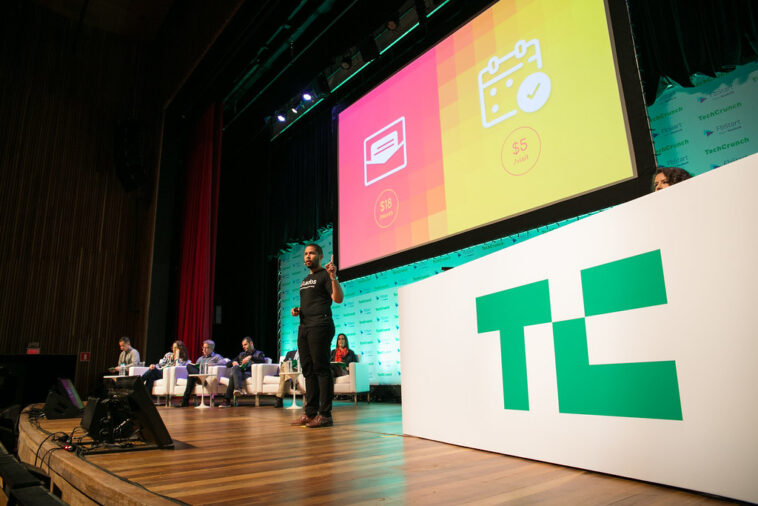
The clock is ticking for early-stage tech companies eager to make their mark. Startup Battlefield 200 applications are set to close on May 28th, 2026, marking a critical deadline for founders seeking a coveted spot at this year’s TechCrunch event. This isn’t just another pitch competition; it’s a launchpad for the next generation of disruptive tech, and missing this deadline means waiting another year for a shot at significant exposure and potential investment.
📋 In This Article
What is Startup Battlefield 200 and Why It Matters

Startup Battlefield 200 is TechCrunch’s premier program designed to identify and showcase the most promising early-stage startups. Unlike traditional pitch events, Battlefield 200 offers a curated experience, providing selected companies with unparalleled media exposure, direct access to investors, and intensive coaching. The application window, which opened on April 20th, 2026, and closes this week, is fiercely competitive. Last year, over 3,000 companies applied for just 200 spots. Securing a place means getting your product in front of thousands of industry professionals, potential customers, and venture capitalists, often leading to immediate funding rounds and strategic partnerships. It’s a massive credibility boost in a crowded market.
The Stakes for Founders
For founders, applying to Startup Battlefield 200 is a high-stakes play. It’s an opportunity to refine their pitch, gain valuable feedback, and potentially secure crucial seed or Series A funding. Companies that have previously participated have gone on to raise billions, with notable alumni including the likes of Dropbox and Roam Research. The pressure to stand out is immense, and the deadline forces a rigorous self-assessment of their business model, market fit, and scalability.
Who Should Apply: Key Criteria for Success
TechCrunch is looking for startups that are building something truly innovative, with a clear path to market and a scalable business model. While specific sector focus can vary, there’s a general emphasis on disruptive technologies across AI, fintech, biotech, SaaS, and sustainable tech. Applicants typically need to have a working product or a very advanced prototype, and ideally, some early traction (users, revenue, or significant partnerships). Companies should be pre-Series B funding. The application itself requires a detailed overview of the problem being solved, the proposed solution, the team’s background, and financial projections. I’ve seen many great ideas fall flat because the application didn’t clearly articulate the ‘why now’ and the unique value proposition.
Beyond the Pitch: What Judges Look For
Judges and TechCrunch editors aren’t just looking for a slick presentation. They scrutinize the underlying technology, the market opportunity, the competitive advantage, and the team’s ability to execute. A strong, defensible moat – whether through proprietary tech, network effects, or unique data – is a significant plus. They want to see a clear understanding of the unit economics and a credible plan for user acquisition and retention.
The Application Process: Tips for a Strong Submission
With the deadline looming, a concise and compelling application is paramount. Start by clearly defining the problem you solve and your unique solution. Quantify your market size and your traction with hard numbers – avoid vague statements. Highlight your team’s expertise; investors bet on people as much as ideas. If you have early revenue, state it. For example, a SaaS startup might mention ‘achieved $50,000 MRR in Q1 2026’. Be honest about your challenges but focus on how you plan to overcome them. A common mistake is over-promising and under-delivering in the application; authenticity resonates more.
Common Pitfalls to Avoid
Many applications stumble on weak value propositions or a lack of market validation. Ensure your ‘ask’ (funding, strategic advice) is clear. Don’t just say you need ‘seed funding’; specify a range, like ‘$1.5 million seed round’. Also, avoid jargon-filled descriptions that obscure what your product actually does. If your grandma can’t understand it, you’ve got work to do.
What Happens After Application? The Selection Process
TechCrunch reviews thousands of applications and selects approximately 200 startups to present. This selection process is rigorous, involving multiple rounds of internal review by editors and analysts. Those chosen gain access to the Startup Battlefield 200 program, which includes intensive pitch coaching, networking opportunities with investors, and a dedicated slot to present on stage at the TechCrunch Disrupt event. The specific date for the 2026 event is October 14-16. Being selected is a massive validation, often leading to significant media attention and direct investor outreach, even before the main event.
The Investor Ecosystem Connection
Startup Battlefield 200 isn’t just about the pitch; it’s about the connections made. The event brings together a curated group of venture capitalists, angel investors, and strategic partners specifically looking for the next big thing. For selected companies, it’s an opportunity to bypass lengthy cold outreach and engage directly with individuals actively seeking investment opportunities, potentially accelerating funding timelines by months.
⭐ Pro Tips
- Clearly articulate your unique selling proposition (USP) in the first sentence of your executive summary. For example: ‘We provide AI-powered code generation for enterprise developers, reducing debugging time by 40%.’
- If you have early revenue, state it clearly. A company with $20,000 MRR is far more compelling than one with just an idea.
- Don’t underestimate the ‘team’ section. Highlight relevant experience and past successes, even if they aren’t directly related to your current venture.
Frequently Asked Questions
When do Startup Battlefield 200 applications close?
Startup Battlefield 200 applications close on May 28th, 2026. This is your final opportunity to submit your company for consideration.
Is Startup Battlefield 200 worth applying to for a small startup?
Absolutely. Even if you don’t get selected, the process forces you to refine your pitch and business plan. For selected companies, the exposure and investor access are invaluable, regardless of size.
What is the typical funding stage for Startup Battlefield 200 applicants?
Applicants are generally expected to be pre-Series B. This means they have typically raised less than $15 million in total funding and are often seeking seed or Series A rounds.
Final Thoughts
The deadline for Startup Battlefield 200 applications is fast approaching. This is a critical opportunity for early-stage startups to gain visibility, connect with investors, and accelerate their growth. Don’t let this chance slip by. If you have a disruptive idea and a solid plan, submit your application before May 28th. I’ve seen firsthand how this program can transform a company’s trajectory. Go apply now!




GIPHY App Key not set. Please check settings