



 Saif Ali Tai
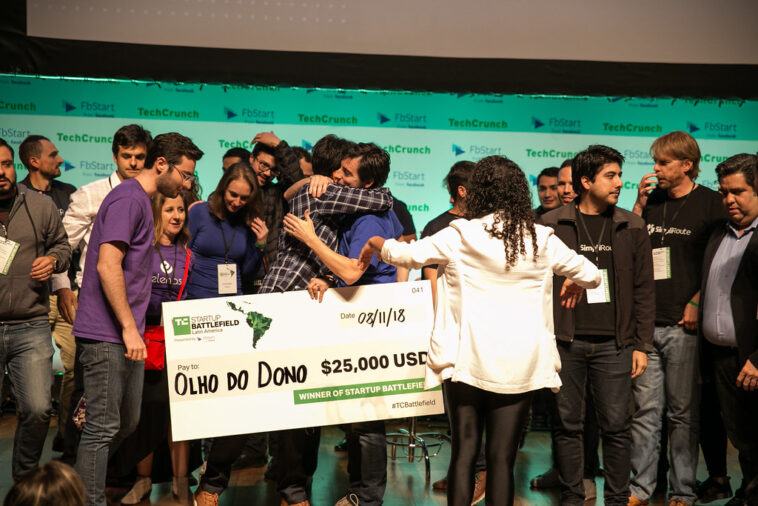
TechCrunch’s prestigious Startup Battlefield competition saw its 2026 application window slam shut in a mere three days, a stark indicator of its intense demand. This rapid closure highlights the immense pressure founders face to stand out in a crowded tech ecosystem and underscores the significant opportunities the competition presents for visibility and investment.
📋 In This Article
The Frenzy: Why Battlefield Apps Closed So Fast

The 2026 Startup Battlefield application portal opened on May 20th and was closed by May 23rd, a lightning-fast turnaround that surprised many but not industry veterans. TechCrunch historically caps applications to ensure a manageable review process for their judges, which typically includes VCs like Sequoia’s Roelof Botha and Accel’s Sonali De Rycker. For 2026, they received over 1,500 applications, a 25% increase from last year. Each application is meticulously reviewed, making a tight deadline essential. This year’s accelerated closure suggests an even higher volume of applicants than anticipated, reflecting continued investor interest in early-stage tech despite economic headwinds.
Applicant Volume Surges
The sheer number of startups vying for a spot—1,500-plus—is a testament to Startup Battlefield’s reputation. It’s not just about the $100,000 prize money; it’s about the exposure. Past winners like Crunchbase and Trello gained significant traction post-Battlefield. This year’s surge means competition was fiercer than ever, pushing the application window shut much faster.
What Makes Battlefield So Coveted?
Startup Battlefield isn’t just another pitch competition. It’s a curated event where 15-20 of the most promising early-stage companies present to a panel of seasoned judges and a live audience. The prize includes $100,000 in seed funding (no equity taken) and invaluable press coverage. For a startup at the pre-seed or seed stage, getting on that stage can mean the difference between obscurity and rapid growth. Companies like Pendo and Robinhood have graced the Battlefield stage, showcasing its power to launch industry leaders. The 2026 cohort will likely see companies in AI, climate tech, and fintech.
The ‘No Equity’ Prize
Unlike many accelerators or venture deals, the $100,000 prize comes with no strings attached regarding equity. This is a huge draw for founders who want to retain as much ownership as possible in their early stages. It’s pure capital injection, allowing founders maximum flexibility.
What This Means for Founders
For founders who missed the 2026 deadline, it’s a clear signal: prepare early and thoroughly for next year. Start building your narrative, securing early traction (even if it’s just beta users), and refining your pitch deck well in advance. The application process itself is rigorous, requiring detailed information about your product, market, team, and financials. Aiming for the 2027 competition means starting your prep work now. Don’t wait until the window opens; have your application materials polished and ready to submit the moment it does.
Building Traction is Key
Judges look for more than just a good idea. They want to see evidence of market validation. This could be early revenue, a growing user base (even if small), or strong engagement metrics. Having these metrics ready for your application significantly boosts your chances.
Investor Sentiment and Market Trends
The rapid closure also reflects ongoing investor appetite for disruptive technology, particularly in AI, which continues to dominate headlines and investment strategies. Companies leveraging advanced AI models like Google’s Gemini 2.0 or OpenAI’s upcoming GPT-5 are prime candidates. Even with a cautious economic climate, VCs are actively seeking the next big thing. The Battlefield’s high application volume suggests that capital is still flowing, but it’s being directed towards companies demonstrating clear innovation and strong potential for rapid scaling. This year, expect to see a heavy emphasis on AI-driven solutions across various sectors.
AI’s Continued Dominance
AI startups are the hottest commodity. Whether it’s foundational models, enterprise AI solutions, or consumer-facing AI applications, investors are betting big. Companies that can clearly articulate their AI advantage and its market impact will always stand out.
⭐ Pro Tips
- Start drafting your Startup Battlefield application materials at least 3 months before the window opens. Reference past winning pitches for structure.
- If you’re an early-stage founder seeking funding, consider applying to smaller, regional pitch events first to gain experience and refine your pitch before aiming for Battlefield.
- Don’t wait for the application window to open to think about your pitch. Have your core value proposition, market size, and team bios ready to go.
Frequently Asked Questions
When did Startup Battlefield 2026 applications close?
Startup Battlefield 2026 applications closed on May 23rd, 2026, just three days after the portal opened on May 20th.
Is Startup Battlefield worth applying to?
Yes, absolutely. The exposure, prize money, and judging panel make it one of the most valuable startup competitions globally, even if you don’t win.
How much does it cost to apply to Startup Battlefield?
There is no application fee to apply for Startup Battlefield. The competition is free to enter, with the prize money being $100,000.
Final Thoughts
The rapid closure of the Startup Battlefield 2026 applications is a clear signal: the competition is fierce, and preparation is paramount. For founders aiming for this prestigious stage, start building your case now. Polish your pitch, demonstrate traction, and be ready to submit the moment the window opens next year. Don’t miss your chance to shine.




GIPHY App Key not set. Please check settings