



 Saif Ali Tai
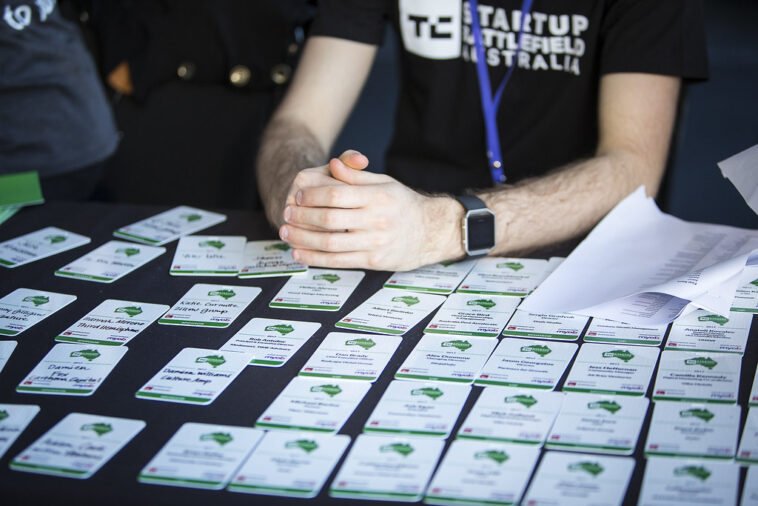
The TechCrunch Startup Battlefield Top 20 remains one of the most coveted badges in the venture capital ecosystem, but is it worth the grind in 2026? Every year, thousands of founders apply for a chance to pitch, hoping the exposure translates into a valuation bump or a Series A term sheet. Having tracked these cohorts since the shift to the current format, I can tell you the answer isn’t a simple yes. It depends entirely on your current burn rate and customer acquisition goals.
📋 In This Article
The Real Cost of Competing for the Spotlight

Applying to the Top 20 is free, but the opportunity cost is massive. You are looking at weeks of deck refinement, pitch coaching, and travel logistics for the Disrupt event. For a seed-stage team of five, those three weeks of intense prep cost roughly $15,000 in lost engineering productivity. If you are already running on a $500,000 runway, that is a significant chunk of your capital. I have seen founders obsess over their 3-minute pitch while their actual product roadmap stalled, resulting in a loss of momentum that no amount of PR could fix. If you aren’t already at a $1M ARR run rate or have a truly disruptive piece of tech like a proprietary LLM model, the ROI of being a ‘finalist’ often evaporates within a month of the event closing.
The VC Attention Trap
Investors love a winner, but they are wary of ‘stage-managed’ success. Being in the Top 20 gets you meetings, but it doesn’t close deals. I have seen founders walk away with zero term sheets despite the hype because their unit economics—specifically their CAC-to-LTV ratio—didn’t hold up under the scrutiny of a real due diligence process. Use the exposure to fast-track your outreach, not as a replacement for solid financial metrics.
Exposure vs. Execution: The Signal-to-Noise Ratio
The marketing halo effect is real. Being part of the cohort gets your brand mentioned in major outlets, which helps with hiring and SEO. However, in 2026, the market is crowded. Unless you are building something genuinely novel, like a hardware integration for the latest Apple Vision Pro or a high-efficiency power management chip, the noise is deafening. I recently spoke with a founder who landed in the 2025 cohort; they gained 5,000 site visits in one week but converted less than 0.5% into paying users. That is a lot of vanity traffic for a very low conversion rate. You need a rock-solid growth engine ready to capture that traffic before you even step on stage. If your site isn’t optimized for high-intent traffic, you are just throwing marketing budget into a black hole.
The Hiring Bump
Surprisingly, the biggest ROI I have seen isn’t from investors, but from talent. Engineers want to work for ‘winners.’ Being a Top 20 finalist helps you recruit top-tier talent from companies like Google or OpenAI because the prestige signals that you are a serious contender. If your primary goal is talent acquisition rather than immediate capital, the effort is significantly more justifiable.
Benchmarks and Expectations for 2026
If you are going to apply, treat it like a serious product launch. You should have your GTM strategy mapped out for the exact week of the event. Don’t just show up with a demo; show up with a waitlist of at least 10,000 emails or a proven pilot program with an enterprise partner. The judges and the VCs in the room are tired of vaporware. In 2026, they are looking for clear paths to profitability. If you can’t articulate how you will reach a $10M ARR within 24 months, your pitch will fall flat regardless of how polished your deck looks. I recommend spending no more than 10% of your total monthly capacity on this. If it starts eating into your core product development, pull the plug and focus on your actual customers.
Measuring Success
Define your success metrics before you apply. Is it $200k in new committed ARR? Is it 50 qualified investor leads? If you don’t track these, you won’t know if the time spent was actually worth it. A 20% increase in inbound leads is a win; anything less is likely just noise that will distract your team from building a sustainable business.
The Verdict: When to Walk Away
If you are pre-revenue and have no clear path to monetization, do not apply. You are not ready for the pressure, and the feedback will be brutal. The Startup Battlefield is for companies that have found product-market fit and need to scale. If you are still iterating on your core value proposition, spend that energy on customer interviews and shipping code. I have seen too many early-stage startups try to ‘hack’ their way to success through PR. It never works long-term. Focus on building a product that people actually pay for. If you do that, the media will come to you, and you won’t need to fight for a spot in a top 20 list to get the attention of VCs.
Prioritizing Your Runway
Always prioritize your runway. If applying to the Battlefield forces you to cut back on your cloud infrastructure budget or delay a critical hire, it is not worth it. A $10,000 spend on a specialized lead-gen tool will likely yield higher returns than the social capital of being a competition finalist.
⭐ Pro Tips
- Use a CRM like HubSpot or Pipedrive to track every lead you get from the event; don’t let those emails die in a spreadsheet.
- Save money by outsourcing your pitch deck design to a freelance pro for $500-$800 instead of hiring a $5,000 agency; the judges care about the data, not the animations.
- The biggest mistake is ignoring your existing customers during the event; always prioritize your current user base over potential new ones.
Frequently Asked Questions
Is TechCrunch Startup Battlefield worth it for pre-seed startups?
No. Pre-seed startups should focus entirely on product-market fit and customer validation. The time commitment required for the Battlefield is a distraction that will likely burn through your limited runway.
Is Startup Battlefield better than Y Combinator?
They are different. YC provides real capital and a structured network for long-term growth, while Battlefield is a PR play. YC is almost always a better choice for long-term company health.
How much does it cost to enter Startup Battlefield?
The application is free, but the hidden costs in time, travel, and marketing prep can easily exceed $10,000 to $15,000 in lost productivity and logistics for a small team.
Final Thoughts
The Startup Battlefield Top 20 is a powerful tool, but it’s not a magic bullet. If you are already scaling, it can act as a force multiplier for your brand. If you are still searching for your core product, it’s a dangerous distraction. My advice? Build something that works so well you don’t need a competition to prove it. Stay focused on your metrics, keep your burn low, and only enter if you’re ready to scale.




GIPHY App Key not set. Please check settings