



 Saif Ali Tai

TechCrunch Mobility 2026 wrapped up, bringing a torrent of news across electric vehicles, autonomous driving, and urban transportation. This year’s event underscored a critical shift: mobility isn’t just about getting from A to B anymore; it’s deeply integrated with AI, sustainability, and urban planning. What we saw will redefine how we commute, deliver goods, and interact with our cities over the next few years. I’ll break down the biggest announcements, dive into the practical implications for consumers, and share what you should genuinely expect from the mobility sector right now.
📋 In This Article
The EV Surge Continues: Beyond the Hype
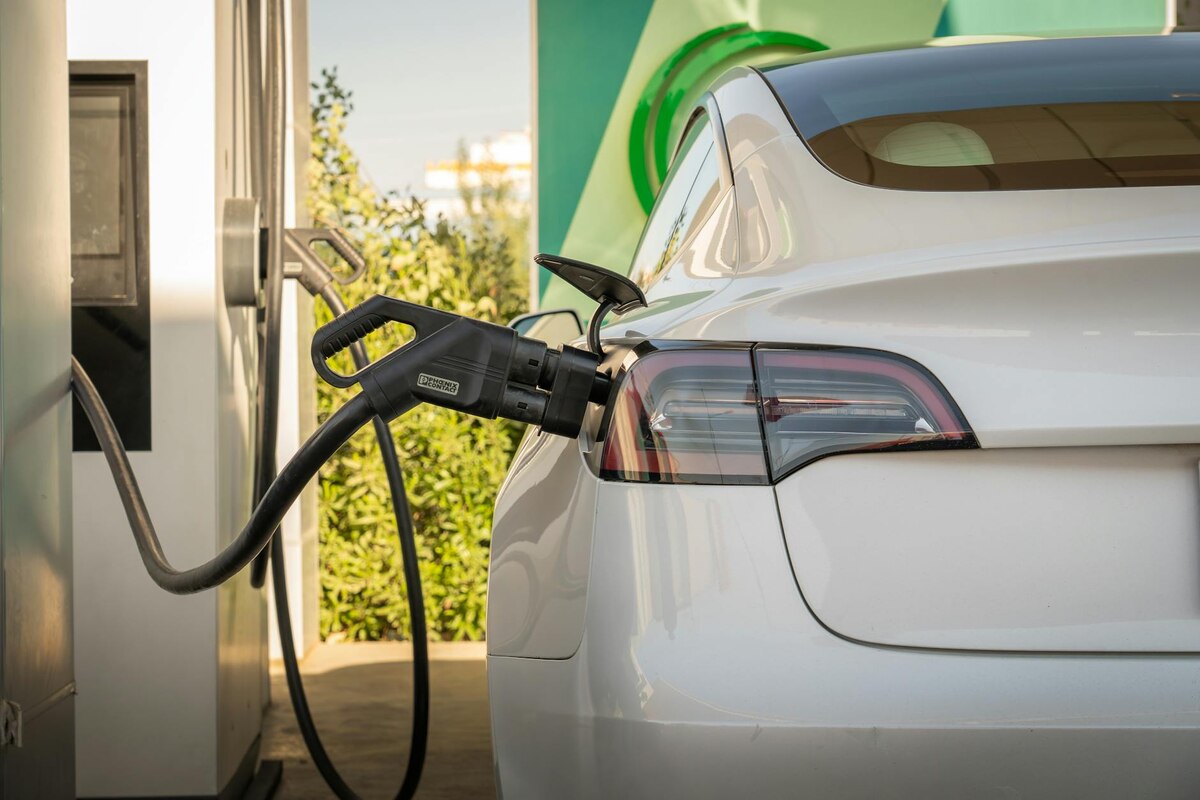
Electric vehicles absolutely dominated the conversation at TechCrunch Mobility 2026, but the focus has shifted from mere adoption to sustainable scaling. We’re seeing battery technology mature, with companies like StoreDot showcasing prototypes hitting 80% charge in just 10 minutes, using silicon-dominant anodes. This isn’t just lab talk; analysts predict these advancements will start appearing in production vehicles by late 2027. Ford highlighted its continued investment in its BlueOval City, aiming for 2 million EV units annually by 2028. While initial EV prices remain high for many, with a new Tesla Model 3 Long Range still around $50,000, increased competition from brands like Hyundai and BYD is slowly pushing average prices down. I think this competitive pressure is crucial; it’s the only way EVs become truly mainstream.
Next-Gen Batteries & Range Anxiety
The biggest takeaway for consumers is the direct attack on range anxiety. Manufacturers are not just stuffing more cells into cars; they’re fundamentally rethinking battery chemistry. Solid-state battery prototypes, like those from QuantumScape, promise energy densities over 50% higher than current lithium-ion packs, potentially pushing ranges past 500 miles on a single charge for smaller vehicles. This isn’t just about longer trips; it means fewer charges overall, making EV ownership much more convenient for urban dwellers and long-haul drivers alike. It’s a significant leap beyond the incremental gains we’ve seen recently.
Charging Infrastructure: NACS Dominance
The North American Charging Standard (NACS) has solidified its position as the de facto standard. Almost every major automaker, including General Motors and Stellantis, has committed to integrating NACS ports into their vehicles starting in 2025. This means a vastly more unified and accessible charging experience for consumers. Electrify America announced plans to add 1,500 new NACS-compatible chargers by 2027, bringing their total to over 10,000. This consolidation is excellent for drivers, simplifying the network mess and making cross-country EV travel genuinely feasible without adapter headaches.
Autonomous Driving: The Reality Check
Autonomous driving at TechCrunch Mobility 2026 was less about lofty promises and more about measured, incremental progress, especially concerning Level 3 and Level 4 systems. Waymo showcased its latest generation of driverless taxis, now operating in multiple cities beyond Phoenix and San Francisco, including parts of Austin and Los Angeles. Cruise, after its significant setbacks in 2023, detailed a more cautious, phased re-entry strategy focusing on a limited, geo-fenced service in one major city initially, rather than rapid expansion. The industry has learned that public trust is paramount, and a slow, safe rollout is better than a rushed, problematic one. I appreciate this newfound pragmatism, even if it means full autonomy is still years off for most of us.
Regulatory Roadblocks and Public Trust
The path to widespread autonomous vehicle deployment remains heavily influenced by regulation and public perception. Governments are still grappling with liability, cybersecurity, and ethical considerations for AI decision-making. California, for example, continues to impose strict operational limitations on robotaxi services. This cautious approach is frustrating for some tech enthusiasts, but it’s essential for building the trust needed for mass adoption. Without clear federal guidelines, we’ll continue to see a patchwork of rules, hindering nationwide scalability. It’s a slow burn, not a sudden explosion.
AI’s Role in Perception and Prediction
The core of advanced autonomous systems lies in their AI, and companies are leaning heavily on sophisticated models like Google’s Gemini 2.0 and custom large language models for better perception and prediction. These AIs are processing vast amounts of sensor data – lidar, radar, cameras – to create highly accurate 3D maps of the environment and predict the movements of pedestrians, cyclists, and other vehicles. The improvements in edge computing power mean these complex models can run directly on the vehicle, making real-time decision-making faster and more reliable. This is where the real innovation is happening, under the hood.
Micromobility’s Urban Reinvention: E-Bikes & Scooters Evolve

Micromobility solutions, primarily e-bikes and electric scooters, are no longer just niche urban toys; they’re becoming integral components of city transit networks. TechCrunch Mobility 2026 featured new models from brands like Rad Power Bikes, which unveiled a new urban commuter e-bike boasting a 75-mile range and a sub-$1,800 price point. Shared services like Lime and Bird announced deeper integrations with public transport apps, allowing users to plan multi-modal journeys seamlessly. The focus has shifted to durability, safety features like enhanced lighting and GPS tracking, and better battery swapping infrastructure for fleet management. I’ve been a big proponent of e-bikes for years, and it’s fantastic to see them taken seriously as a viable commuting option, not just a weekend hobby.
Subscription Models and Urban Integration
Subscription services for e-bikes and scooters are gaining traction, moving beyond pay-per-ride. Companies like HumanForest in London offer monthly plans for around £40, including maintenance, making personal micromobility more accessible without the upfront cost of ownership. This model encourages consistent use and helps reduce car dependency in dense urban areas. Furthermore, city planners are actively working to integrate these services into public transit hubs, with dedicated parking zones and charging stations appearing near train and bus stops. It’s all about making the ‘last mile’ truly convenient.
Safety and Infrastructure Demands
As micromobility grows, so does the demand for safer infrastructure. Cities are investing in more protected bike lanes and dedicated scooter paths, driven by a 15% increase in e-bike and scooter usage in major US cities over the last year. New regulations are also emerging, standardizing speed limits for shared devices and requiring better rider education. While the thrill of zipping through traffic is appealing, user safety, particularly regarding helmet use and adherence to traffic laws, remains a critical challenge. Manufacturers are responding with better braking systems and stability controls, but rider behavior is still the biggest variable.
The Connected Car: AI in Your Dashboard
The connected car experience at TechCrunch Mobility 2026 was less about bigger screens and more about smarter, more intuitive AI integration. Automakers like Mercedes-Benz showcased their next-gen MBUX system, now powered by a custom large language model, offering incredibly natural voice control and predictive suggestions for navigation, entertainment, and even vehicle maintenance. Imagine asking your car, ‘Find me a coffee shop with vegan options and tell me if I have enough charge to get there and back,’ and getting an instant, accurate answer. Vehicle-to-everything (V2X) communication also saw significant advancements, with pilot programs demonstrating how cars can communicate with traffic lights to optimize flow and even alert drivers to approaching emergency vehicles before they’re visible. This is where the future of driving really gets interesting, beyond just self-driving.
AI Assistants: More Than Just Voice Commands
Forget clunky voice commands; the new generation of in-car AI assistants are genuinely conversational. Leveraging advanced AI models, these systems can understand complex queries, adapt to user preferences over time, and even anticipate needs. BMW’s latest iDrive system, for example, integrates a personal assistant that can learn your daily commute and suggest alternative routes based on real-time traffic and your calendar appointments. This moves beyond simple infotainment to genuine co-piloting, making the driving experience safer and more personalized. It’s a huge step up from the basic ‘Alexa in your car’ we saw a couple of years ago.
V2X Communication: The Smart City Link
V2X (Vehicle-to-Everything) communication is quietly becoming a foundational technology for smarter cities and safer roads. Deployments of C-V2X (Cellular V2X) modules are increasing, allowing cars to communicate with each other (V2V), infrastructure (V2I), and even pedestrians’ smartphones (V2P). This enables real-time hazard warnings, optimized traffic signal timing, and even coordinated emergency responses. For instance, a connected car could receive a warning about black ice around a blind corner from another vehicle miles ahead. While still in early stages of widespread deployment, V2X will be a cornerstone of accident reduction and efficiency in future urban environments.
Sustainability & Supply Chain: The Long Road Ahead
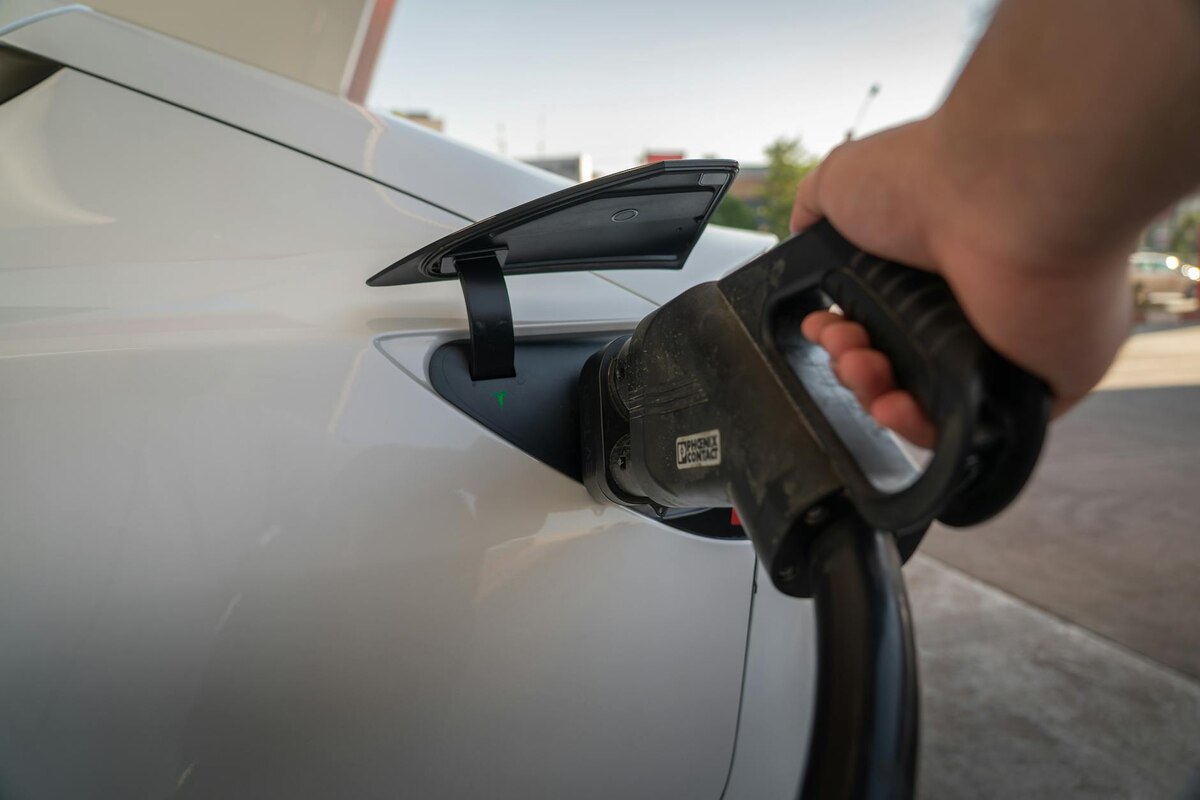
Sustainability was a major undercurrent at TechCrunch Mobility 2026, extending beyond just electric powertrains to the entire lifecycle of mobility products. The discussion heavily focused on battery recycling and the ethical sourcing of raw materials. Redwood Materials, founded by Tesla co-founder JB Straubel, announced a new gigafactory expansion in Nevada, aiming to process 100 GWh of battery materials annually by 2030, enough for over 1 million EVs. This is crucial as global demand for lithium, cobalt, and nickel skyrockets. Geopolitical stability and securing these supply chains are top concerns for manufacturers. It’s not just about building EVs; it’s about building them responsibly, and honestly, the industry is still playing catch-up on this front.
Battery Recycling and Circular Economy
Creating a true ‘circular economy’ for EV batteries is a massive challenge but also a huge opportunity. Companies are developing advanced techniques to extract valuable materials like lithium, nickel, and cobalt from spent battery packs with over 95% efficiency. This reduces reliance on new mining and significantly lowers the environmental footprint of EV production. Beyond recycling, there’s a growing market for ‘second-life’ batteries, where old EV batteries are repurposed for stationary energy storage in homes or grids before final recycling. It’s a smart way to extend their utility and value.
Geopolitical Impact on Material Sourcing
The geopolitical landscape heavily influences the sourcing of critical battery materials. China currently dominates much of the refining and processing of rare earth elements and other key minerals. This concentration creates vulnerabilities and drives efforts by Western nations to onshore more of the supply chain. New mining projects in North America and Australia, along with significant investments in domestic processing facilities, are aimed at diversifying these sources and reducing dependency. This isn’t just about economics; it’s a national security issue for many countries, ensuring a stable transition to electric mobility.
⭐ Pro Tips
- Download PlugShare or ChargePoint apps for real-time EV charger availability and reviews, saving you frustration and time on the road.
- Regularly update your connected car’s software. Manufacturers push critical safety and feature updates that can enhance ADAS performance and fix bugs.
- For e-bike owners, invest in a quality U-lock (e.g., Kryptonite Fahgettaboudit Mini, ~$100) and register your bike’s serial number to deter theft.
- Review your connected car’s privacy settings. Many vehicles collect extensive data; manage permissions to control what’s shared with manufacturers or third parties.
- If using shared micromobility, always do a quick pre-ride check of brakes and tires. A quick 10-second inspection can prevent a nasty fall.
Frequently Asked Questions
What were the biggest announcements at TechCrunch Mobility 2026?
Key announcements included major advancements in fast-charging EV battery tech, NACS solidifying as the dominant charging standard, measured but significant progress in Level 3/4 autonomous driving deployments, and deeper urban integration for e-bikes and scooters. Sustainability in battery recycling also saw increased focus.
How much does a new EV cost in 2026?
New EV prices in 2026 vary widely, from entry-level models like the Chevy Bolt EUV starting around $30,000 to premium options like the Lucid Air Sapphire exceeding $250,000. The average transaction price for a new EV is currently around $55,000, slightly down from last year, driven by increased competition.
Is Level 3 autonomous driving safe for daily use?
Level 3 autonomous driving, like Mercedes-Benz’s Drive Pilot, is conditionally safe in specific, approved conditions (e.g., highways below 40 mph). It still requires driver supervision and readiness to take over. It’s not hands-off everywhere, and safety largely depends on adhering to these operational design domains and staying alert.
Where can I find public EV charging stations?
You can find public EV charging stations using dedicated apps like PlugShare, ChargePoint, or Electrify America. Many car navigation systems also integrate charging station data. Most major highway corridors and urban centers now have extensive networks, especially with the widespread adoption of NACS.
Are micromobility services like e-scooters still popular?
Yes, micromobility services remain highly popular, especially in urban environments. E-scooter and e-bike ridership continues to grow, with operators focusing on better fleet management, safer designs, and deeper integration with public transit. They’re increasingly seen as a vital part of sustainable urban transportation.
Final Thoughts
TechCrunch Mobility 2026 wasn’t about flashy, impossible concepts; it was about the tangible, impactful advancements shaping our immediate future. We’re seeing real progress in battery tech, a necessary consolidation in charging standards, and a more realistic approach to autonomous driving. Micromobility is maturing, and our cars are getting genuinely smarter with AI. For consumers, this means more choices, better experiences, and a gradual shift towards cleaner, more efficient ways to move. My advice? If you’re considering an EV, the charging infrastructure is finally catching up, making it a much more viable option. Keep an eye on battery tech, as those innovations will truly unlock the next phase of mobility. The future isn’t just coming; it’s already here, rolling down our streets.




GIPHY App Key not set. Please check settings