
United Airlines said on November 11, 2026 that it is restricting “unauthorized, third-party personal AI agents or assistants” from booking flights and managing reservations. The airline cites account security and federal aviation rules. It is a policy statement rather than a finished technical block, and several details, including the start date and how agents will be detected, have not been published. Here is what United said, who it affects, and what the story means for anyone building or using AI booking tools.
What did United announce?
According to TechCrunch, Skift and Engadget, United said it is taking steps to restrict access “directly within our digital platforms” and indirectly through travel agencies and aggregators. TechCrunch quotes the work as including “updates to our booking, ticketing and distribution policies.” Skift reports that United is the first U.S. carrier to explicitly say it will restrict third-party AI agents, which is Skift’s characterization rather than United’s.
The target is personal AI assistants that act for a customer, for example by logging in with the customer’s credentials to buy a ticket, change a reservation or redeem miles. United said it will evaluate the policy as personal AI assistants evolve and will update its Digital Trust Center to explain the restrictions, per Skift.
Why United says it is doing this
Three reasons appear in the coverage:
- Security: United says sharing account credentials with third-party AI assistants “can expose sensitive information.” Engadget adds that this includes payment details.
- Unintended actions: United warns of “unintended purchases, account changes or use of MileagePlus miles.”
- Regulation: United says letting an AI agent complete a booking could conflict with Department of Transportation and Federal Aviation Administration rules. The example it gives is check-in, where a person has to acknowledge that their bag does not contain explosives or other banned items. TechCrunch notes the article does not name the specific rules.
There is also a commercial angle. The Wall Street Journal, as relayed by Engadget and Skift, quotes chief executive Scott Kirby saying at a Chicago event: “I don’t want to create another middleman.”
What is not known
- When it starts. None of the three articles gives an effective date.
- How agents will be detected. The method, and how United will tell an unauthorized agent from a customer, has not been described.
- Exceptions. No approved-agent programme is mentioned. The word “unauthorized” suggests an authorized route could exist later, but that is an inference, not something United has said.
- Existing bookings. The articles do not say whether reservations already made through an agent are affected.
- Other airlines. Skift notes that Delta chief executive Ed Bastian said he is “cautious” about AI agents in booking, while Southwest has launched a ChatGPT plug-in for flight search. There is no consistent industry position yet.
How it fits a wider pattern
Engadget reports that JPMorgan Chase and Amazon also block AI agents from using their products, citing security and privacy. TechCrunch says Bank of America recently urged customers not to share banking passwords with AI assistants. TechCrunch’s reading is that airlines and banks are struggling to tell real customers apart from AI systems acting for them.
Engadget also relays an adoption figure from Uber’s third-quarter earnings call, as reported by TechCrunch: of 320 million trips and deliveries in the week of Halloween, AI agents accounted for 500 Uber Eats orders and four rides. That suggests agent-driven buying is still a very small share of activity, though a single week at one company is not a market measure.
What this means in practice
If you use an AI assistant for travel: the clearest risk United names is handing over a login. Reusing a password across an airline account and an AI tool widens the damage if either leaks. Search and price research are different from giving an agent the power to buy, and nothing in the coverage says that planning with an assistant is restricted. Booking directly with the airline remains the safest route for changes that involve miles or payment.
If you build agents: expect more sites to treat credential-sharing agents as a terms-of-service issue. Delegated access that the customer approves with the company, rather than a shared password, is the pattern companies are more likely to accept. For related security guidance see our post on how UK regulators view personal AI agents. United’s terms and the full statement should be checked directly, since we have only the outlets’ summaries of it.
Sources
- TechCrunch: United Airlines blocks AI agents from booking flights (November 12)
- Skift: United Airlines moves to block personal AI agents (November 11, partly paywalled)
- Engadget: United is restricting AI agents from booking flights (November 11)
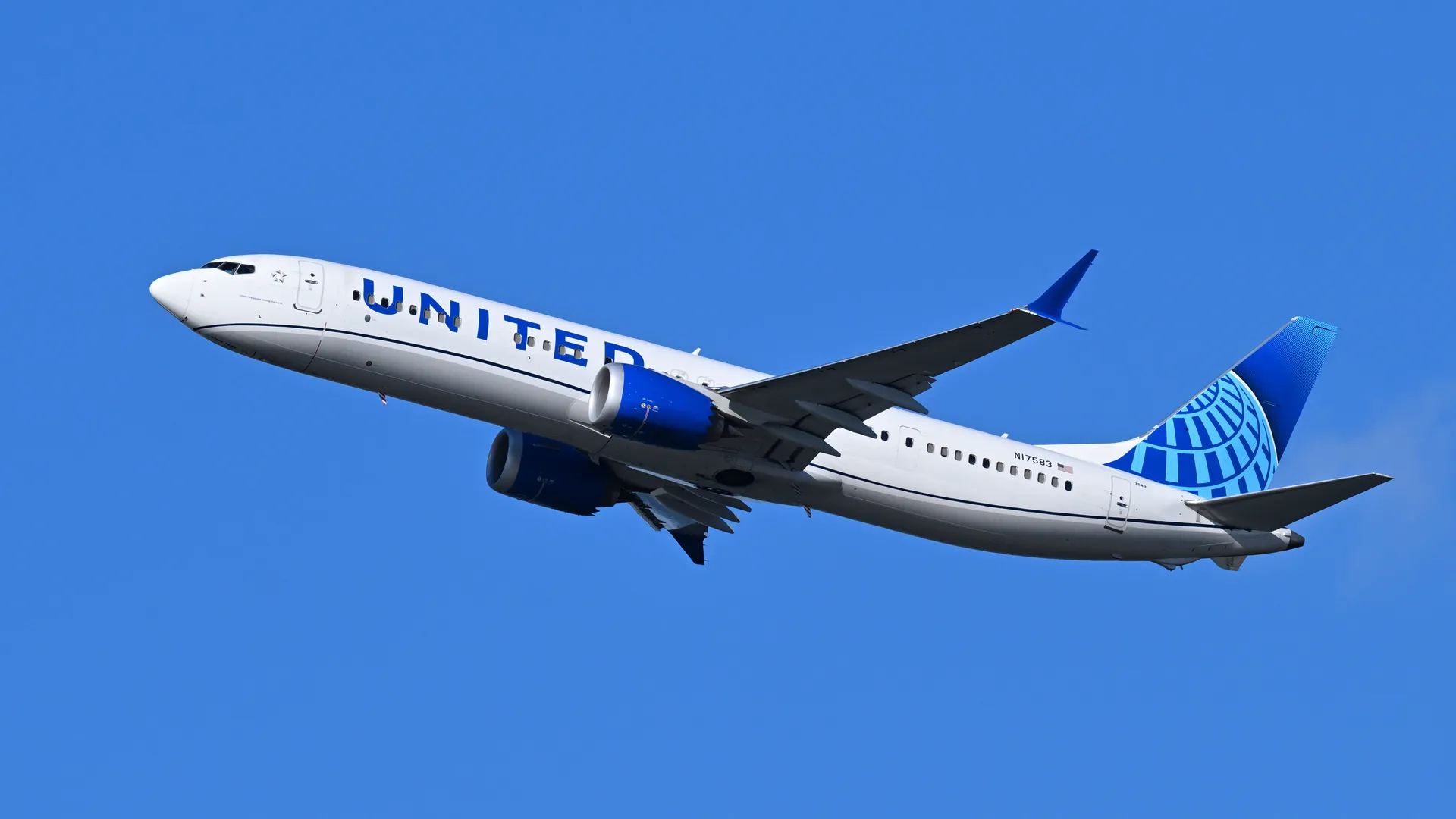
We did not open United’s own statement. Image: United Airlines Boeing 737-9 MAX departing Boston, photo by 4300streetcar, CC BY 4.0, via Wikimedia Commons.
Like our coverage? Add stepphase.com as a preferred source on Google to see more of our stories in Top Stories.

