



 Saif Ali Tai
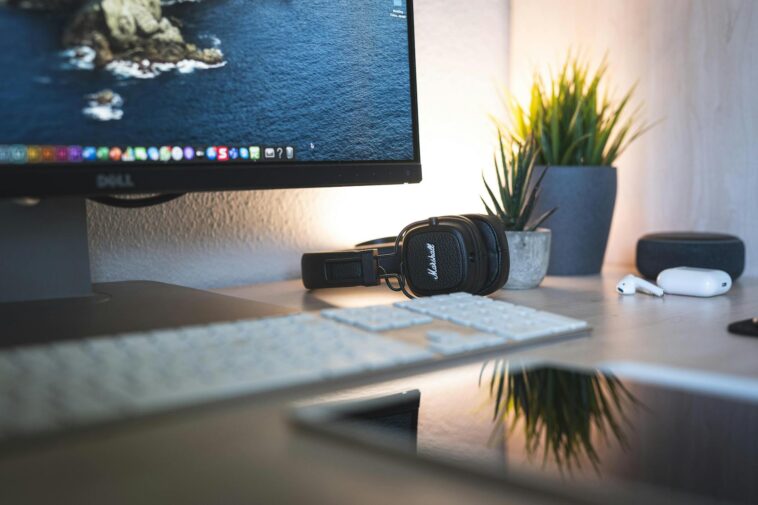
Okay, so it’s April 2026, and I’m already seeing the usual panic about finding the perfect present. Like, seriously, didn’t we just do this? But hey, I get it. Picking out the best tech gifts and cool gadgets for 2026 can feel like trying to hit a moving target, especially with new stuff dropping every other week. I’ve spent way too much time — and probably too much money — testing out everything from the latest handheld gaming PCs to smart home devices that actually *work*. And honestly, there’s some seriously impressive gear out there right now that’ll make anyone’s day, whether they’re a hardcore gamer or just someone who wants their life a little easier. Forget the junk; I’m talking about the stuff I’d actually buy for my own friends and family. This isn’t a list of ‘what’s new,’ it’s a list of ‘what’s good.’
📋 In This Article
Power Up, Stay Connected: EDC Tech That Just Works
Look, nobody wants to be caught with a dead phone or a full camera roll and nowhere to offload it. That’s why my first go-to for pretty much anyone is solid Everyday Carry (EDC) tech. We’re talking about the gear that slips into a pocket or a small bag and saves your bacon. Power bricks aren’t just bricks anymore; they’re compact, fast, and surprisingly smart. And storage? Forget those clunky hard drives. We’ve got tiny SSDs that are practically invisible but hold terabytes of data. These are the unsung heroes of modern life, the things you don’t think about until you desperately need them. And trust me, you’ll need them.
The Charger That Does It All
My absolute favorite right now is the Anker GaNPrime 120W charger. It’s tiny, like smaller than a deck of cards, but it’ll fast-charge my MacBook Pro 14 (M3 Max, obviously) and my Pixel 9 Pro at the same time. You get two USB-C ports and one USB-A, so it’s super versatile. It sells for about $99 USD on Amazon, and honestly, it’s worth every penny for the convenience. No more carrying multiple bricks.
Tiny Storage, Huge Impact
For portable storage, you can’t beat the Samsung T9 Portable SSD. The 2TB model is running around $180 USD these days. It’s got USB 3.2 Gen 2×2, so you’re hitting read/write speeds over 2,000 MB/s. That’s fast enough for 4K video editing directly off the drive. I use it for backing up photos from my camera on the go, and it’s been a lifesaver more times than I can count. Plus, it’s rugged, which is a must for anything I carry around.
Your Home, Smarter: Beyond Just Light Bulbs
Okay, so the smart home thing has finally matured past just yelling at Alexa to turn on your lights. Thank goodness. In 2026, we’re seeing devices that actually integrate seamlessly, thanks to Matter support becoming genuinely widespread. This means less ‘Is this compatible with that?’ and more ‘It just works.’ I’m talking about smart displays that act as genuine command centers, air purifiers that actually improve your health, and security cameras that don’t feel like you’re giving up your privacy. It’s about making your home work *for* you, not just reacting to your commands.
Automate Everything (Seriously)
The Google Nest Hub Max (2nd Gen) is still my top pick for a central smart home display. It’s got Matter built-in, so it plays nice with almost everything. The screen quality is great for video calls or watching YouTube while cooking, and the sound is surprisingly decent for music. You can snag one for about $229 USD. It’s the perfect gift for someone who wants to dip their toes into serious home automation without getting overwhelmed.
Healthier Air, Smarter Home
After last year’s brutal allergy season, I finally invested in a smart air purifier, and holy cow, what a difference. The Coway Airmega 400S with its new AI filtration is fantastic. It monitors air quality in real-time and adjusts fan speed automatically. It’s not cheap, usually around $700 USD, but for anyone with allergies or just wanting cleaner air, it’s a game-changer. Plus, it connects to your smart home system, so you can check stats from your phone.
Hear Me Out: Audio Upgrades Worth Every Penny
We all listen to stuff, right? Podcasts, music, audiobooks, annoying work calls – it’s a constant stream. So why are so many people still suffering with crummy audio gear? Seriously, your ears deserve better. In 2026, the audio tech is just *chef’s kiss*. Noise-canceling is so good it feels like a superpower, and spatial audio on earbuds actually makes a difference now. Whether you’re commuting, working out, or just trying to drown out your noisy neighbors, there’s a perfect pair of headphones or a speaker out there. And no, you don’t need to spend a grand to get fantastic sound.
Silence the World: Premium ANC
For over-ear headphones, the Sony WH-1000XM6 are still the reigning champs for Active Noise Cancellation. I mean, they just *work*. The sound quality is phenomenal, and the battery life is insane – I get like 35-40 hours on a charge with ANC on. They’re running about $379 USD, which is a splurge, but if you commute or travel a lot, these are non-negotiable. My ears are eternally grateful for these.
Sound That Travels With You
If you need something more portable, the JBL Flip 7 is my go-to Bluetooth speaker. It’s rugged, waterproof, and surprisingly loud for its size. The bass response is solid, which isn’t always true for small speakers. It’s perfect for backyard BBQs or taking to the beach. You can usually find it for around $110 USD. It’s a no-brainer gift for anyone who likes their tunes on the move.
Game On, Anywhere: Fun for Every Player
Okay, so gaming tech is just exploding right now, and not just for the PC master race crowd. Handheld gaming PCs have really come into their own, offering proper PC gaming on the go. And VR headsets? They’re finally getting to a point where they’re not just for early adopters with deep pockets. This isn’t about building a monstrous rig; it’s about accessible fun, whether you’ve got five minutes to kill or a whole evening. And honestly, some of this stuff is just plain cool to show off.
Gaming in Your Pocket
The ASUS ROG Ally 2 (or whatever they’re calling the latest iteration in 2026) is seriously impressive. It’s running an AMD Ryzen Z2 Extreme and a proper RDNA 3.5 GPU, so you can play most modern AAA titles at 1080p with decent settings. It’s not cheap, usually starting around $799 USD, but for a full Windows PC in your hands, it’s an incredible piece of engineering. You can even dock it to a monitor and use it like a desktop.
Immersive Worlds, No Huge PC Required
The Meta Quest 4 is the VR headset to get if you want a standalone experience that’s actually good. The passthrough camera is finally genuinely useful for mixed reality, and the display resolution is fantastic. It’s around $499 USD, which is still a chunk of change, but it’s a self-contained unit – no wires, no powerful PC needed. Great for fitness apps or just chilling in a virtual movie theater.
Work Smarter, Not Harder: Productivity Boosters
Let’s be real, most of us spend a huge chunk of our lives working, or at least staring at a screen trying to look productive. So why not make that experience as painless — and even enjoyable — as possible? In 2026, productivity tech isn’t about fancy software; it’s about the physical tools that make your day smoother. We’re talking about keyboards that save your wrists, webcams that make you look like a human, and monitors you can take anywhere. These aren’t just ‘nice-to-haves’; they’re ‘why didn’t I get this sooner?’ items.
Your Desk, Elevated
An ergonomic keyboard and mouse combo is a must. The Logitech MX Keys S Combo (with the MX Master 3S mouse) is still my top recommendation. The Keys S is super comfortable for typing all day, and the Master 3S mouse is just silky smooth. It’s a bit of an investment at $219 USD for the set, but your wrists and productivity will thank you. Plus, it looks sleek on any desk.
Meetings That Don’t Suck
If you’re still using your laptop’s built-in webcam for video calls, stop it. Seriously. The Logitech Brio 505 (or whatever the latest Brio model is) is excellent. It offers 4K resolution, auto-framing, and incredible low-light performance. You’ll look sharp, even in a dimly lit room. It’s usually about $189 USD, and it’s a small price to pay to not look like a pixelated potato in your next important meeting.
Tech for a Better You: Wellness & Wearables
Okay, so health tech used to be a bit… gimmicky, right? But in 2026, wearables are genuinely useful. They’re not just counting steps anymore; they’re giving you deep insights into your sleep, stress, and even early warnings about potential health issues. This isn’t about becoming a health nut overnight, but about having data that helps you make better choices. Whether it’s a smartwatch that monitors your heart or a smart scale that tracks more than just weight, these gadgets can genuinely improve your quality of life. And who doesn’t want that?
Track Everything That Matters
The Apple Watch Series 11 (or whatever the current model is) is still the gold standard for smartwatches. The health tracking is incredibly comprehensive – ECG, blood oxygen, temperature sensing, and now even more advanced sleep stage analysis. It starts around $399 USD. For Android users, the Samsung Galaxy Watch 7 Pro is a fantastic alternative, offering similar robust features and excellent battery life at about $349 USD.
Sleep Like a Baby (with Data)
I’m a huge fan of the Oura Ring Gen 4. It’s discreet, comfortable to wear all night, and its sleep tracking is incredibly accurate. It gives you readiness scores, heart rate variability, and body temperature trends. It’s not cheap at $349 USD, plus a monthly subscription for full features (around $6.99/month), but if you’re serious about optimizing your sleep and recovery, it’s worth it. I’ve definitely noticed patterns that have helped me sleep better.
⭐ Pro Tips
- Always check for refurbished models directly from the manufacturer or reputable retailers like Best Buy. You can often save 15-25% on a ‘like new’ device.
- Keep an eye on major sales events like Prime Day (usually July) and Black Friday (November). Prices on popular tech like earbuds and smart home gadgets can drop by 30% or more.
- Don’t fall for the ‘latest model’ trap if the previous gen is still fantastic. For example, the Sony WH-1000XM5 headphones are still brilliant and often $50-100 cheaper than the XM6s.
- Before buying a smart home gadget, make sure it supports Matter. Seriously, it’ll save you so many headaches with compatibility down the road. Future-proof your setup.
- For portable chargers, focus on GaN technology and Power Delivery (PD) wattage. Anything under 60W for a laptop charger is a waste of money in 2026.
Frequently Asked Questions
What are the best tech gifts for someone who has everything?
For the person who seems to have it all, focus on premium upgrades or unique experiences. High-end audio gear like the Sony WH-1000XM6 headphones or a standalone VR headset like the Meta Quest 4 are usually safe bets. Or, consider a smart home device that genuinely improves daily life, like a smart air purifier.
How much should I spend on a good tech gadget gift?
It really depends on the gadget! You can find excellent portable speakers for under $150 (JBL Flip 7), solid portable SSDs for $180-200 (Samsung T9), and top-tier smartwatches from $350-400. Premium headphones or handheld gaming PCs will push you past the $300-$800 mark.
Is buying a smart home hub still worth it in 2026?
Yes, absolutely! With Matter now widely adopted, a good smart home hub like the Google Nest Hub Max (2nd Gen) or an Apple HomePod Mini acts as a central brain, making all your compatible devices work together seamlessly. It simplifies automation and voice control immensely.
What’s a good tech gift for a student going to college?
A portable SSD like the Samsung T9 (2TB for $180) is fantastic for project backups. A fast GaN charger (Anker GaNPrime 120W, $99) is also a must-have for charging multiple devices quickly. Noise-canceling headphones (Sony XM6, $379) are essential for studying in noisy dorms.
How long do most tech gadgets last before they need replacing?
Most quality tech gadgets like smartwatches, headphones, and portable chargers should comfortably last 3-5 years with regular use. Handheld gaming PCs might see performance dips sooner with new games, but the hardware itself is usually good for 2-4 years before feeling truly outdated. Software updates play a big role too.
Final Thoughts
So there you have it, my top picks for the best tech gifts and cool gadgets for 2026. This isn’t just a list of random stuff; these are products I’ve used, abused, and genuinely recommend. Whether you’re shopping for a tech head, a casual user, or just trying to treat yourself (you deserve it, honestly), there’s something here that’ll hit the mark. Don’t overthink it. Pick something that solves a problem, makes life a little easier, or just brings a bit of joy. And remember, the best tech is the tech you actually use. Go grab something awesome, and make someone’s day. Or, you know, treat yourself first. I won’t tell.




GIPHY App Key not set. Please check settings