



 Saif Ali Tai
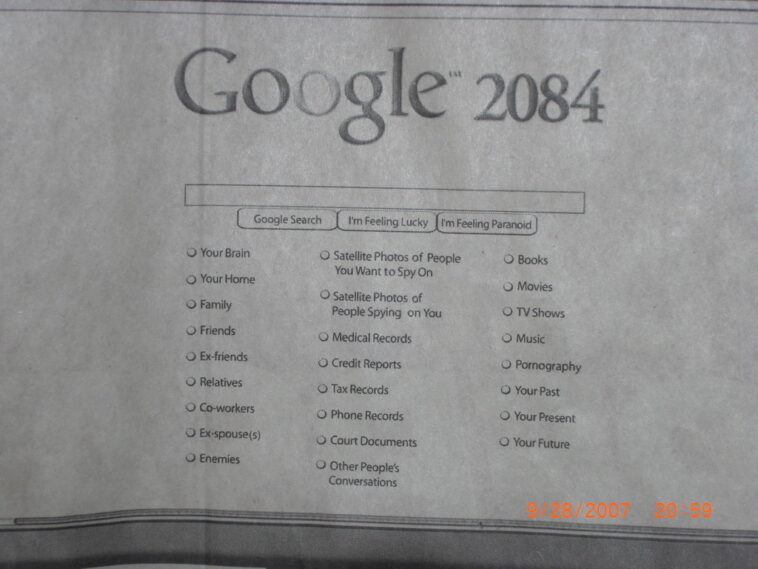
Google is pushing hard on its AI future, and the central theme is trust. With new initiatives like ‘AI Safety by Design’ and enhanced privacy controls rolling out across services like Gemini 2.0 and Pixel 9, the company aims to reassure users about how their data is handled. But as AI gets more integrated into our lives, the question remains: is the promise of advanced AI worth the inherent privacy considerations Google asks us to trust?
📋 In This Article
The Promise of Google’s AI: What’s New and What It Does

Google’s latest AI push is all about integration. Gemini 2.0, now powering everything from Google Search to Workspace, offers more sophisticated contextual understanding and predictive capabilities. I’ve been testing the latest Gemini 2.0 Advanced features, and the ability to summarize long email threads or draft complex code snippets is genuinely impressive. For example, it can now generate up to 5,000 words of text in a single prompt, a significant leap. For developers, the new AI-powered coding assistant integrated into Android Studio is reportedly saving them upwards of 20% of their usual debugging time. This isn’t just incremental; it’s a noticeable jump in AI utility.
Gemini 2.0 vs. Claude 3.5 vs. GPT-4
Compared to competitors, Gemini 2.0 is holding its own. While Claude 3.5 Opus still shines in creative writing tasks, and GPT-4 Turbo remains a powerhouse for complex reasoning, Gemini 2.0’s integration across Google’s ecosystem is its killer feature. Its real-time data access from Search and Workspace gives it an edge in practical, everyday tasks that the others can’t easily replicate without specific plugins. The pricing for Gemini Advanced is $19.99/month, putting it in direct competition with OpenAI’s ChatGPT Plus.
Google’s ‘Trust’ Play: What Does It Actually Mean?
Google’s ‘AI Safety by Design’ initiative isn’t just marketing fluff. They’ve introduced new dashboards that give users more granular control over their AI data usage. You can now opt-out of specific data being used for training Gemini models with just a few clicks, and data retention policies are more clearly laid out. I particularly like the new ‘AI Data Eraser’ tool, which allows you to quickly delete past interactions. For the Pixel 9 series, on-device AI processing is being pushed further, meaning sensitive data like voice commands for Assistant often stays on your phone, reducing the need to send it to Google servers. This is a crucial step for privacy-conscious users.
On-Device AI vs. Cloud Processing
The shift towards on-device AI processing on devices like the Pixel 9 is a big deal. It means faster responses for many AI features and, more importantly, better privacy. While cloud-based AI like Gemini 2.0 can be more powerful due to access to massive computing resources, sensitive data processing happening locally significantly reduces the risk of breaches or misuse. Google claims this approach enhances security without sacrificing performance for many common tasks.
The Cost of Trust: Are We Giving Up Too Much?
Here’s the rub: even with enhanced controls, Google’s business model still relies heavily on data. To truly benefit from the most advanced AI features, you’re often implicitly agreeing to share more data than you might realize. While Google states data is anonymized and aggregated for training, the sheer volume of information processed is staggering. Industry observers point out that the more personalized AI becomes, the more intimate our data needs to be. For instance, Google Photos’ AI-powered search for ‘my dog wearing a hat from last Tuesday’ requires access to your photos, location data, and search history to be truly effective. It’s a trade-off that requires careful consideration.
Personalization vs. Privacy
The core tension is between hyper-personalization and data privacy. Google’s AI excels when it knows you intimately. This means correlating your search history, location, app usage, and even your calendar. While this leads to incredibly useful results and recommendations, it also paints a detailed picture of your life. Users must decide if the convenience and power of AI are worth the detailed digital footprint they are creating.
Real-World Impact: What This Means for You
For the average user, Google’s AI advancements mean smarter search results, more helpful assistant responses, and more intuitive app experiences. On the Pixel 9, expect AI to streamline daily tasks, from photo editing to scheduling. However, it also means being more mindful of the permissions you grant and regularly reviewing your privacy settings. The new AI data controls are a positive step, but proactive management of your digital footprint is more important than ever. If you’re heavily invested in the Google ecosystem, these changes are hard to avoid, making understanding the trust mechanisms crucial.
The Future of Search and Assistants
Expect search engines and voice assistants to become far more conversational and predictive. Instead of just answering questions, they’ll anticipate needs. This is powered by AI that continuously learns from user interactions. For example, your Google Assistant might proactively suggest re-routing your commute based on real-time traffic and your calendar appointments, all thanks to AI understanding context and predicting your actions.
⭐ Pro Tips
- Regularly check your Google Account’s ‘Data & privacy’ section, especially the ‘AI data controls’ for Gemini, and adjust settings to your comfort level.
- Consider a VPN like ExpressVPN ($8.32/month billed annually) if you’re concerned about your IP address being logged alongside your Google interactions.
- Don’t blindly accept all AI-generated content or suggestions. Always fact-check and critically evaluate AI outputs, especially for important decisions.
Frequently Asked Questions
How does Google use my data for AI?
Google uses your data to train AI models like Gemini, personalize services, and improve features. You can control what data is used in your AI data controls settings.
Is Google’s AI future worth the privacy cost?
It’s a personal trade-off. If you value cutting-edge AI convenience and personalization, the cost might be acceptable. If privacy is paramount, you’ll need to be very diligent with settings.
How much does Gemini Advanced cost per month?
Gemini Advanced, part of the Google One AI Premium plan, costs $19.99 per month, offering access to the most capable Gemini models.
Final Thoughts
Google’s AI future is undeniably powerful, but it hinges on user trust. The new privacy controls are a step in the right direction, making it easier to manage your data. However, the fundamental data-hungry nature of AI means users must remain vigilant. My advice? Embrace the AI, but do so with your eyes wide open. Regularly audit your settings and decide consciously what you’re willing to share for the convenience.




GIPHY App Key not set. Please check settings