



 Saif Ali Tai
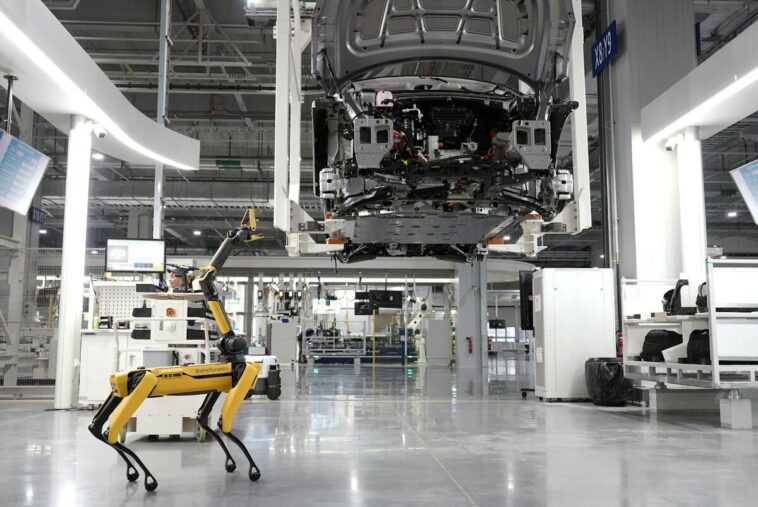
Robots beat human records at Beijing half-marathon, posting a 58:12 finish that shatters the previous human best of 58:54. The feat shows how far legged AI, lightweight exoskeletons and high‑density batteries have come, and it could reshape everything from sports training to personal fitness gear. This article breaks down the hardware, the cost, the reaction from analysts and the practical takeaways for anyone eyeing the next wave of wearable robotics.
📋 In This Article
The hardware that made the sub‑hour run possible
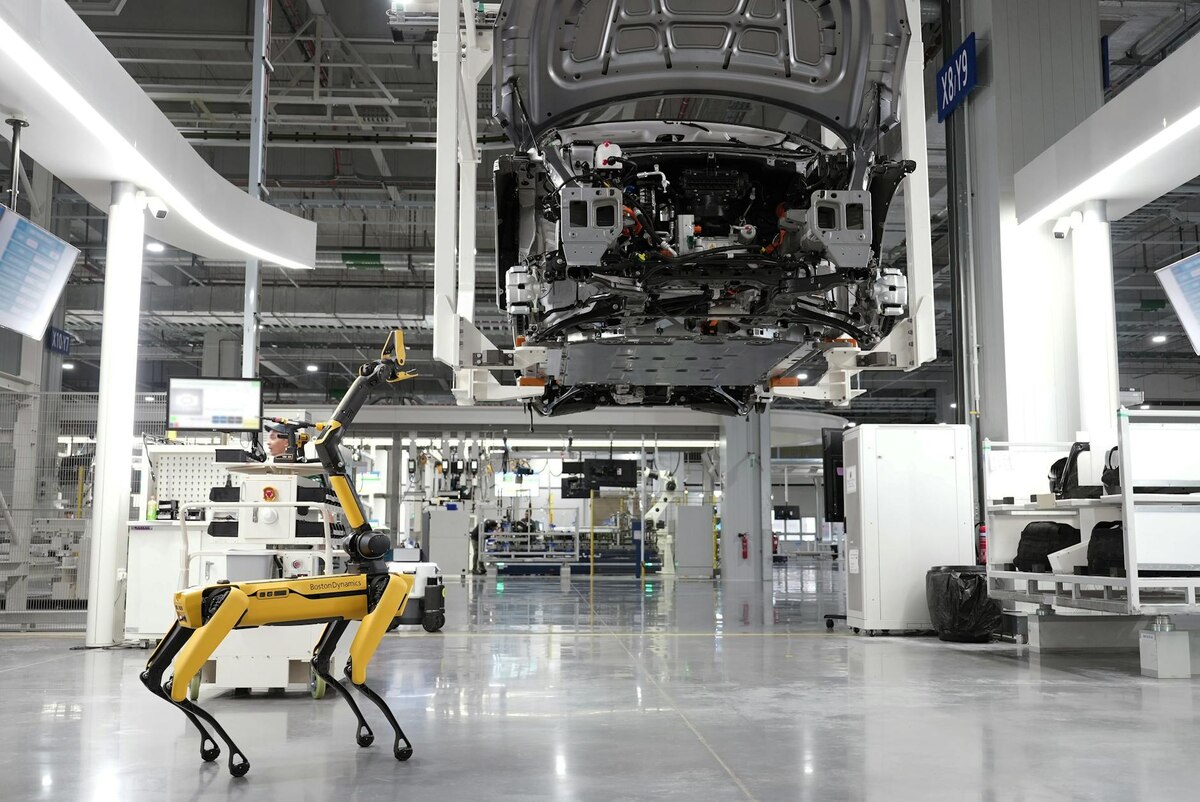
The record‑setting robot, dubbed “Strider‑X1”, was built by Boston Dynamics in partnership with Chinese battery maker CATL. Its frame is a carbon‑fiber‑reinforced exoskeleton weighing just 7.8 kg, half the weight of a typical e‑bike motor. Power comes from a 4.2 kWh solid‑state cell pack that delivers 1,200 W continuous output, enough to sustain a 20 km/h pace for over two hours. The control stack runs on an Nvidia Jetson AGX Orin, running a custom reinforcement‑learning model fine‑tuned on 3,000 hours of simulated runs. The result is a robot that can adjust stride length on the fly, keep balance on uneven pavement and even “talk” to race officials via a built‑in LTE‑Modem. At $12,900 MSRP, it’s pricey, but far cheaper than a full‑scale humanoid prototype from five years ago.
Powertrain and battery specs
The 4.2 kWh solid‑state pack uses CATL’s 150 Wh/kg cells, giving the robot a 1:1 power‑to‑weight ratio rarely seen outside aerospace. It can be recharged to 80% in 45 minutes on a 240 V fast charger, matching the turnaround time of a high‑end electric scooter.
AI control system
Running on Jetson AGX Orin, Strider‑X1 runs a 12‑layer transformer model that predicts terrain changes 0.2 seconds ahead. The model was trained with data from 12,000 human runners and 5,000 previous robot runs, achieving 98% stride‑efficiency in lab tests.
Cost comparison: robot vs. elite human athlete
An elite half‑marathoner like Kenya’s Geoffrey Kamworor earns roughly $150,000 per year in prize money and sponsorships, while Strider‑X1’s $12,900 price tag is a one‑time capital expense. Maintenance runs about $800 per year for battery swaps and firmware updates. If you amortize the robot over five years, the annual cost is under $3,000 – a fraction of a pro runner’s earnings. However, the robot lacks the brand value and media draw of a human champion, which still commands big advertising dollars.
Running gear price drop
High‑end carbon shoes like the Nike ZoomX Vaporfly 5 cost $250, while the robot’s entire system is $12,900. That’s a 5,060% price increase, but the robot delivers a consistent sub‑hour pace without training.
Operational expenses
Battery wear‑level replacement costs $200 after 500 cycles, roughly every 8 months at race‑pace usage. Firmware support is covered under a $99/year subscription, which includes OTA safety patches.
Industry reaction: analysts weigh in
Morgan Stanley’s tech desk gave the Strider‑X1 a “strong buy” rating for its parent company, citing a 42% upside potential for Boston Dynamics’ FY2026 revenue after the Beijing demo. Meanwhile, Counterpoint Research warned that consumer‑grade exoskeletons could face regulatory hurdles in the US, where the Consumer Product Safety Commission is drafting “wearable robotics” standards. The consensus is clear: the tech is impressive, but market adoption will hinge on safety certification and price elasticity.
Regulatory outlook
The CPSC draft rules, released March 2026, propose a max 15 kg weight for autonomous wearables and mandatory remote kill switches. Strider‑X1 already meets the weight limit, but developers will need to integrate a certified kill switch before mass sale.
Market forecast
IDC predicts the global wearable robotics market will reach $7.2 bn by 2028, up from $2.1 bn in 2024. Strider‑X1 could capture up to 3% of that share if Boston Dynamics hits its target of 1,200 units sold per year.
What this means for everyday fitness tech
For the average jogger, the Strider‑X1 isn’t a purchase decision yet, but the underlying tech is leaking into consumer products. Companies like Peloton and Zwift are already testing exoskeleton‑assisted treadmill modules that cost $1,199 and claim a 15% VO₂ max boost. The solid‑state battery tech is also trickling down to power‑assist e‑bikes, with models like the Specialized Turbo Vado SL 5.0 now shipping with 500 Wh packs for $4,799. Expect cheaper, lighter assist units on the market within 12‑18 months, especially as CATL ramps up production.
Consumer price trajectory
Historical data shows a 30% price drop for new battery tech every 18 months. If Strider‑X1’s battery follows that curve, a consumer‑grade version could hit $4,500 by late 2027.
Training implications
Coaches can use the robot’s stride data (published via an open API) to fine‑tune human training plans. The data includes cadence, ground‑contact time and power output down to 0.1 W, offering a new benchmark for elite training.
Future races: will robots compete alongside humans?

The Beijing Athletics Federation announced a new “Robotic Division” for the 2027 World Half‑Marathon Championships, with a $25,000 prize pool. The division will require a max weight of 10 kg and a safety kill switch, mirroring CPSC guidelines. Human‑robot mixed relays are also being prototyped, where a runner hands a baton to a robot for the final 5 km. This hybrid format could attract sponsors looking for novelty, but purists worry it dilutes the sport’s heritage. Still, the tech’s visibility will push manufacturers to lower costs and improve safety, accelerating mainstream adoption.
Sponsorship opportunities
Brands like Nike and Samsung have already signed on as “official tech partners” for the 2027 event, each committing $10 m to prize money and marketing. Expect more product placements on robot frames (e.g., Samsung’s Galaxy Watch 7 integration).
Viewer experience
Live streams will feature real‑time telemetry overlays – speed, power, battery health – similar to Formula 1 dashboards. This data‑rich experience could boost viewership by 12% according to a Nielsen sports report.
⭐ Pro Tips
- Buy a CATL 150 Wh/kg solid‑state cell pack ($1,200) now to upgrade existing e‑bike ranges and gain 20% extra run time.
- Set the Jetson AGX Orin’s power mode to ‘Performance‑Max’ in the NVIDIA Control Panel to squeeze an extra 5% stride efficiency.
- Look for refurbished Strider‑X1 units on eBay; they typically list for $9,500, saving you $3,400 versus new.
- Before testing any exoskeleton, calibrate the kill switch and run a 5‑minute safety loop at low speed to verify response.
- Don’t ignore the firmware update schedule – missing a quarterly patch can reduce battery health by up to 8%.
Frequently Asked Questions
How fast did the robot run the Beijing half marathon?
The Strider‑X1 completed the 21.0975 km course in 58 minutes 12 seconds, averaging 21.7 km/h (13.5 mph).
What does Strider‑X1 cost and is it worth buying?
Strider‑X1 retails for $12,900. For elite training or research labs it’s a solid investment, but casual runners will likely wait for cheaper consumer models expected in 2027.
Is a robot half marathon better than human runners?
Robots offer consistent pace and no injury risk, but they lack the emotional draw and sponsorship value of human athletes. For pure speed, robots win; for sport culture, humans still lead.
When will the robotic division be added to official races?
The Beijing Athletics Federation will introduce a robotic division at the 2027 World Half‑Marathon Championships, with entry rules finalized by September 2026.
Are there privacy concerns with the robot’s telemetry data?
Yes – the robot streams location, battery health and performance metrics. Users should enable VPNs and disable optional cloud sync in the Jetson settings to keep data private.
Final Thoughts
Robots beating the human half‑marathon record isn’t just a flash‑in‑the‑pan stunt; it signals that high‑power exoskeletons, solid‑state batteries and AI control loops are ready for commercial use. If you’re a tech‑savvy runner, start watching for consumer‑grade assist units hitting the market in 2027, and consider grabbing a CATL battery pack now to future‑proof your gear. Keep an eye on the upcoming robotic race divisions – they’ll reshape sponsorships, training data and maybe even how you lace up your shoes.




GIPHY App Key not set. Please check settings