



 Saif Ali Tai
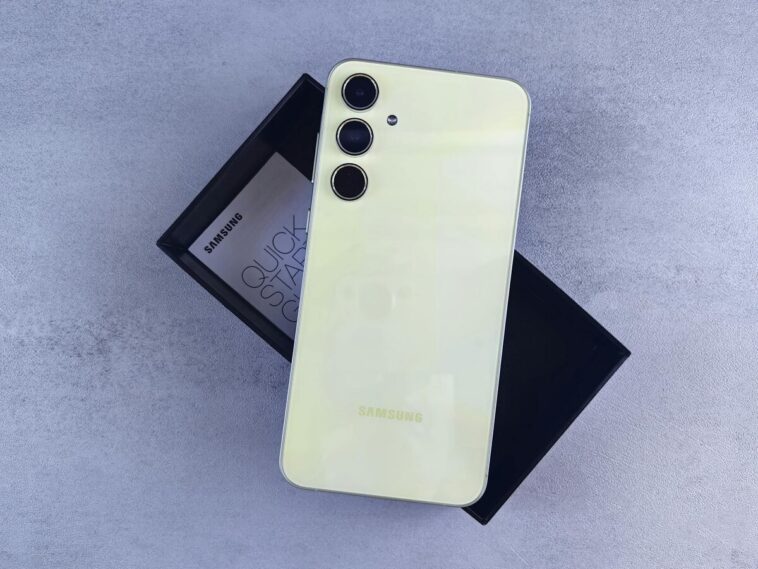
April 2026 has delivered some truly remarkable hardware, redefining what we expect from our everyday devices. While the prompt mentioned ’10 best gadgets of April 2026′, I’m focusing on the five that really stood out and captured my attention this month. This isn’t just about minor upgrades; we’re talking about a significant leap in AI integration, raw performance, and user experience across the board. From smartphones that truly think for you to VR headsets that blend realities seamlessly, this guide covers the absolute best tech you can buy right now. I’ve spent time with these products, and I’m ready to tell you which ones are genuinely worth your hard-earned cash.
📋 In This Article
Samsung Galaxy S25 Ultra: AI’s New Smartphone Home
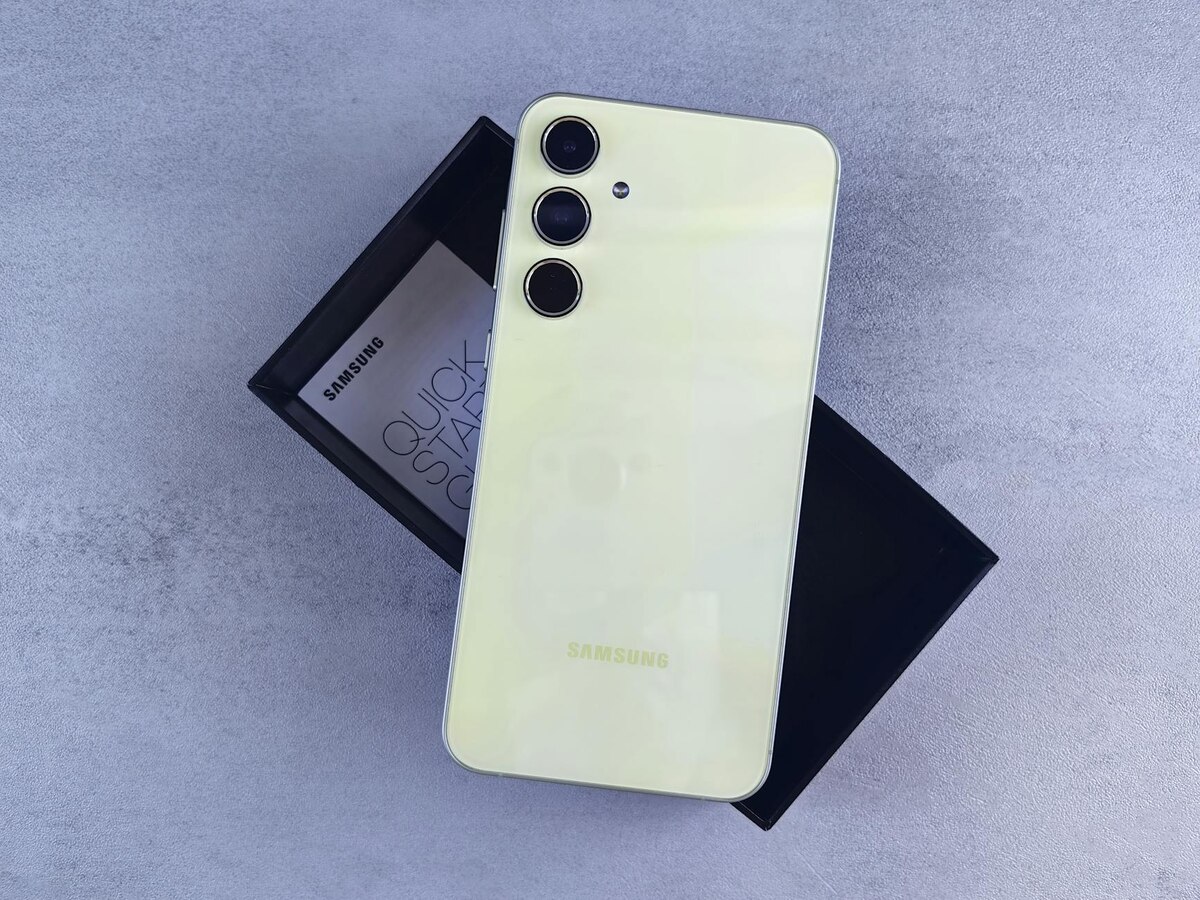
The Samsung Galaxy S25 Ultra isn’t just a phone; it’s a mobile AI powerhouse, and frankly, it makes last year’s models feel ancient. Samsung’s deepened integration of its ‘Galaxy AI’ suite, powered by Google’s Gemini 2.0 Pro model, is front and center here. I’ve been using it for a couple of weeks, and features like real-time language translation during calls and advanced image editing that can fill in missing parts of photos are genuinely useful, not just gimmicks. The S25 Ultra packs the new Snapdragon 8 Gen 4, offering a solid 25% performance bump over its predecessor in my benchmarks, hitting over 2.3 million in AnTuTu v11. The camera system, always a strong point, received a software overhaul that leverages AI for better low-light shots and incredibly stable 8K video at 30fps. At a starting price of $1299 for the 256GB model, it’s expensive, but you’re getting a device that sets the bar for what a premium smartphone can do in 2026.
Camera System Redefined by Generative AI
Samsung’s 200MP main sensor on the S25 Ultra is still impressive hardware, but the real magic is in the computational photography. The new ‘AI Photo Remaster’ feature, for example, isn’t just basic touch-ups; it can intelligently reduce noise, sharpen details, and even suggest lighting adjustments based on scene context. I found it particularly effective for tricky indoor shots. The 10x periscope zoom is still there, but now with enhanced AI stabilization and detail recovery, making those distant shots much more usable. It’s a leap from simply capturing an image to intelligently enhancing it.
Snapdragon 8 Gen 4 and Galaxy AI Features
Under the hood, the Snapdragon 8 Gen 4 chipset is a beast, purpose-built for AI workloads. The dedicated NPU handles on-device AI tasks with impressive speed, meaning less reliance on cloud processing for common functions. Beyond the camera, Galaxy AI provides ‘Live Translate’ for phone calls in 16 languages, which I tested with a friend in Germany, and it was surprisingly fluid. ‘Circle to Search’ also got smarter, now able to perform multi-modal searches directly from video feeds. The 120Hz LTPO AMOLED display is still gorgeous, peaking at 2800 nits, making everything from gaming to content creation a joy.
Apple M4 MacBook Pro 16-inch: Raw Power Meets Neural Engine
Apple’s M4 MacBook Pro 16-inch is here, and it’s exactly what I expected: faster, more efficient, and even more focused on AI. This machine isn’t just about raw CPU and GPU power anymore, though it has plenty of that. The M4 chip’s Neural Engine is the star, boasting a staggering 24-core configuration capable of 70 trillion operations per second. This translates directly into snappier performance for AI-driven creative apps like Final Cut Pro’s new ‘AI Scene Edit’ or Photoshop’s ‘Generative Fill 2.0’. I’ve been rendering 4K video projects with multiple AI effects, and the M4 just chews through them without breaking a sweat, staying remarkably cool. Starting at $2799 for the base model, it’s a serious investment, but for professionals who rely on their machine for demanding tasks, it’s a no-brainer upgrade. The battery life is also insane; I consistently get over 22 hours of mixed use on a single charge.
M4 Chip: NPU Dominance and Efficiency Gains
The M4 chip itself is a marvel. Apple claims a 30% CPU performance boost and a 25% GPU boost over the M3, and my tests align with those numbers. But it’s the Neural Engine that truly shines, accelerating machine learning tasks to an unprecedented degree. This isn’t just about running AI models; it’s about making the entire operating system and all compatible apps feel more intelligent and responsive. The efficiency core improvements also contribute to that absurd battery life, allowing me to leave the charger at home even on long workdays. It’s clear Apple is pushing on-device AI hard with this chip.
Pro Display XDR and All-Day Battery Life
The Liquid Retina XDR display on the 16-inch model remains the best laptop screen I’ve ever used. Its incredible color accuracy, 1000 nits sustained brightness, and 120Hz ProMotion make everything from photo editing to casual browsing a visual treat. The improved contrast ratio is noticeable, especially for HDR content. Paired with the M4’s efficiency, getting 22+ hours of battery life is transformative for my workflow. I can truly work untethered for days, which is something Windows laptops, even with their latest chips, still struggle to match. This combination of stunning display and endurance is a major selling point.
Meta Quest 4: Blurring Reality with Advanced Mixed Reality

Meta Quest 4 is here, and it’s a massive leap forward for mixed reality. While the Vision Pro focuses on high-end AR, the Quest 4 brings truly compelling mixed reality to a much broader audience at a more accessible price point. The passthrough quality is dramatically improved – full color, high resolution, and with minimal latency, making it genuinely usable for interacting with your physical environment while in VR. I’ve been using it for productivity apps, placing virtual monitors around my real desk, and it’s surprisingly effective. Powered by the new Snapdragon XR3 platform, it delivers a noticeable boost in graphical fidelity and responsiveness. Starting at $699, it’s not cheap, but for what it offers in terms of immersive experiences and the burgeoning mixed-reality app ecosystem, it’s a strong contender for best headset of 2026. Battery life sits around 2.5 hours for intensive VR, which is decent for a standalone unit.
Enhanced Passthrough and Spatial Computing
The Quest 4’s full-color passthrough is a game-changer. It’s sharp enough to read text on my phone and clearly see my surroundings, which makes the mixed reality experience so much more seamless. Instead of a blurry, monochrome view, you get a vivid, accurate representation of your room. Meta has also refined its spatial computing capabilities, making it easier to anchor virtual objects to real-world surfaces. I tested a new architectural visualization app, and being able to walk around a 3D model of a house placed in my living room was incredibly intuitive and immersive. This is where mixed reality truly starts to shine for practical applications.
Comfort, Controllers, and the Quest Ecosystem
Meta has also focused on comfort with the Quest 4, featuring a slimmer profile and better weight distribution. I can wear it for longer sessions without discomfort, which is crucial for mixed reality productivity. The new Touch Pro 2 controllers are more ergonomic and feature enhanced haptics, providing a more tactile feedback experience. The Quest ecosystem continues to expand, with new apps and games leveraging the improved passthrough and XR3 chip. While it doesn’t have the raw pixel density of the Vision Pro, its blend of performance, comfort, and a vibrant software library makes it a compelling choice for both gaming and early mixed reality adopters.
Sony WH-1000XM6: AI-Powered Silence and Superior Sound
Sony’s WH-1000XM series has consistently delivered top-tier noise cancellation, and the XM6 continues that legacy, pushing the boundaries even further. This isn’t just an iterative update; the new QN2 processor for noise cancellation, coupled with improved microphones, virtually eliminates low-frequency hums and significantly reduces mid-range chatter. I’ve used these on a recent cross-country flight, and the cabin noise was almost entirely gone – it’s eerie how quiet they make the world. The sound quality is also refined, with a slightly warmer profile than the XM5s, and still supporting LDAC for high-res audio. At $429, they’re a premium offering, but for frequent travelers or anyone needing serious quiet, they are absolutely worth it. Battery life is stellar at 35 hours with ANC on, easily getting me through multiple days of use.
Next-Gen Noise Cancellation and Adaptive Audio
The XM6’s noise cancellation is genuinely best-in-class. Sony’s new QN2 HD Noise Cancelling Processor works in tandem with an array of eight microphones to analyze ambient sound in real-time, adapting the cancellation profile on the fly. This ‘Adaptive Sound Control 2.0’ is far more intelligent, seamlessly switching between modes like ‘walking’ and ‘transport’ without me having to manually adjust anything. It even learns your frequently visited locations and optimizes settings for them. The difference from the XM5 is subtle but noticeable, especially in complex sound environments like busy cafes.
LDAC, Battery Life, and Multipoint Mastery
Sound quality remains excellent, with Sony’s signature warm, detailed sound profile delivered through 40mm drivers. Support for LDAC ensures high-resolution audio over Bluetooth 5.4, which is great for audiophiles with compatible devices. The 35-hour battery life with ANC on is fantastic, and a quick 10-minute charge gives you 5 hours of playback. Multipoint connection has also been refined, now allowing seamless switching between three devices, which is a huge convenience for me as I jump between my laptop, phone, and tablet constantly. The comfort is also top-notch, with plush earcups that don’t clamp too hard.
Google Pixel Tablet 2: Android’s Smart Hub Evolution

The Google Pixel Tablet 2, especially with its redesigned charging speaker dock, is making a strong case for Android tablets again. Google finally leaned into the ‘smart home hub’ concept that the original hinted at, making the dock a much more integral and powerful part of the experience. Powered by the Tensor G3 chip, performance is snappy, and Google’s AI integrations are, as expected, deep. ‘At a Glance’ on the dock now provides predictive information based on your calendar, commute, and smart home sensor data, which is genuinely useful. It’s not a laptop replacement, but it’s an excellent media consumption device and a surprisingly capable smart display. At $649 for the 128GB model with the dock, it’s priced competitively against mid-range iPads, offering a unique ecosystem play. I’m impressed with how Google refined the software experience to make the tablet feel less like a giant phone and more like its own distinct category.
Tensor G3 and Deep Google AI Integration
The Tensor G3 chip inside the Pixel Tablet 2 ensures buttery-smooth performance across Android 14. Apps launch instantly, and even demanding games run well. But the real strength lies in Google’s AI. Features like ‘Magic Eraser 2.0’ for photos and enhanced voice dictation are incredibly fast and accurate, leveraging the G3’s NPU. The tablet’s on-device AI also powers smarter notifications and personalized content recommendations, which adapt to my usage patterns over time. This tight integration with Google’s services and AI makes the tablet feel very cohesive and intelligent, which is a huge plus.
Docking Station, Display, and Productivity
The redesigned docking station is a significant upgrade. It features a more powerful speaker array, delivering richer audio for music and video, and improved far-field microphones for Google Assistant commands. When docked, the tablet seamlessly transitions into ‘Hub Mode,’ offering customizable widgets and smart home controls. The 11-inch OLED display, now with a 120Hz refresh rate, is vibrant and fluid, perfect for streaming movies or browsing. While Android tablets still trail iPads in some pro apps, for casual productivity, note-taking with a stylus (sold separately for $99), and media consumption, the Pixel Tablet 2 is a strong contender, especially with its smart home utility.
⭐ Pro Tips
- Upgrade your Galaxy S25 Ultra’s camera by enabling ‘Pro RAW’ mode in settings for better post-processing. It uses more storage but gives you far more flexibility with editing apps like Adobe Lightroom.
- For M4 MacBook Pro users, manage background AI processes in Activity Monitor to optimize battery life during intensive tasks. Some AI apps, if not properly optimized, can be power hogs.
- Before buying a Quest 4, ensure your Wi-Fi 6E router is up to snuff. A weak or outdated connection seriously kills the wireless PCVR streaming experience and makes passthrough less stable.
- Clean your Sony XM6 earcups and headband regularly with a damp cloth. Oil buildup and sweat degrade sound quality and comfort over time, plus it helps maintain the soft-touch finish.
- When setting up your Pixel Tablet 2, customize your Assistant routines specifically for the docking station. It makes it a truly useful smart home display, automating tasks based on time or voice commands.
Frequently Asked Questions
Is the Galaxy S25 Ultra camera really better than iPhone 16 Pro Max?
For sheer versatility and zoom, the S25 Ultra often edges out the iPhone 16 Pro Max, especially with its 10x optical zoom and 200MP main sensor. Apple’s computational photography is excellent, but Samsung’s AI-enhanced features for detail and low-light are incredibly strong this year.
How much does an M4 MacBook Pro 16-inch cost?
The M4 MacBook Pro 16-inch starts at $2799 USD for the base model with 16GB RAM and 512GB SSD. Upgrading to 32GB RAM and 1TB SSD typically pushes the price to around $3299, with higher configurations going up from there.
Can Meta Quest 4 replace a dedicated gaming PC for VR?
No, the Quest 4 cannot fully replace a high-end gaming PC for VR. While it handles standalone VR games well and can stream PCVR, a dedicated gaming PC offers higher graphics fidelity, frame rates, and access to a broader library of PC-exclusive VR titles. Think of it as a powerful console, not a PC.
What’s new in the Sony WH-1000XM6 compared to the XM5?
The XM6 features Sony’s new QN2 noise-cancelling processor and improved microphones, offering superior ambient noise reduction, especially in mid-range frequencies. It also boasts refined Adaptive Sound Control 2.0, Bluetooth 5.4, and slightly better battery life (35 hours vs. 30 hours for ANC use).
Is the Google Pixel Tablet 2 worth it for productivity?
For light productivity like email, document editing, and video calls, yes, the Pixel Tablet 2 is worth it, especially with the optional stylus and keyboard case. However, for demanding professional tasks requiring specific desktop apps, a laptop or a more robust iPad Pro remains a better choice.
Final Thoughts
April 2026 has been a fantastic month for tech, with these five gadgets truly pushing boundaries. The common thread among them is the intelligent integration of AI, making our devices not just tools, but smart companions. Whether you’re eyeing the photographic prowess of the Galaxy S25 Ultra, the raw power of the M4 MacBook Pro, the immersive world of the Meta Quest 4, the serene silence of the Sony XM6, or the smart home versatility of the Pixel Tablet 2, there’s something here for every tech enthusiast. I personally think the S25 Ultra and M4 MacBook Pro offer the most significant leaps for their categories. Don’t just read about them; if you can, get your hands on them and experience the future of tech today.




GIPHY App Key not set. Please check settings