



 Saif Ali Tai
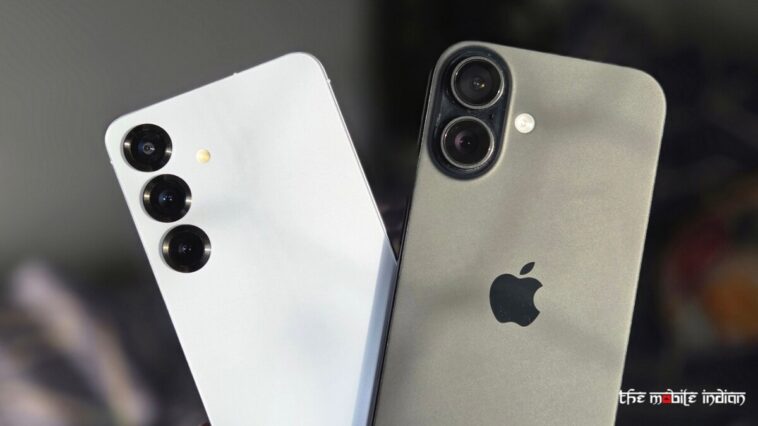
The annual tech showdown is here: Apple’s iPhone 16 lineup faces off against Samsung’s Galaxy S25 series, and this year, the battlefield is AI. Both giants are pushing on-device and cloud-powered artificial intelligence features, aiming to redefine smartphone utility. But with premium price tags and evolving capabilities, which flagship truly offers better value and performance for the average user in 2026? We’ve spent weeks with both, pushing their AI, cameras, and battery life to the limit to give you the definitive answer. From smarter assistants to AI-enhanced photography, here’s what you need to know.
📋 In This Article
AI Features: The Real Differentiator?
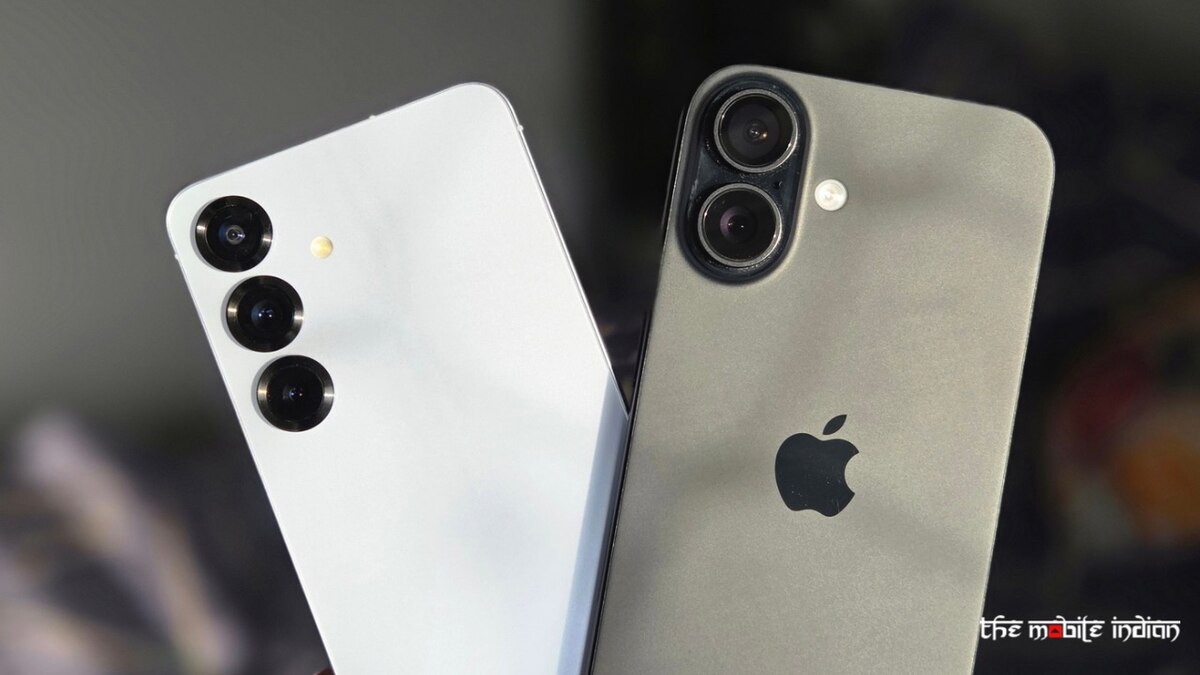
This year, AI isn’t just a buzzword; it’s baked into the core experience. Apple’s iPhone 16 Pro Max ($1199) boasts ‘Deep Fusion AI,’ an evolution of its image processing that now extends to real-time video analysis and predictive text suggestions that actually feel predictive. I found its ability to summarize long articles in Safari incredibly useful, and the new ‘Live Translate’ feature for calls is surprisingly accurate, even with nuanced slang. Samsung fired back with its Galaxy S25 Ultra ($1299), packing ‘Galaxy AI Pro,’ which leverages Gemini 2.0 for tasks like on-the-fly video editing with generated B-roll and a ‘Circle to Search’ that’s faster and more context-aware. Its generative photo editing, allowing you to move objects seamlessly, is almost magical, though sometimes it leaves a slight artifact. For sheer breadth of AI features integrated into daily tasks, Samsung feels a step ahead, but Apple’s execution is often smoother and more intuitive for basic functions. Industry observers note that both companies are still playing catch-up to specialized AI apps, but the integration is impressive.
On-Device vs. Cloud AI
Apple is heavily pushing on-device AI processing for privacy and speed with the A18 Bionic chip. This means features like real-time transcription and basic image manipulation happen locally, which I appreciate. Samsung, while also improving on-device capabilities with its Exynos 2500 (or Snapdragon 8 Gen 4 for Galaxy in some regions), still relies more heavily on cloud processing for its most advanced AI tasks. This can lead to slightly more powerful results but also requires a constant, robust internet connection and raises potential privacy concerns for some users.
AI in Photography and Video
Both phones offer AI-powered camera enhancements. The iPhone 16 Pro Max’s ‘Cinematic AI’ can now automatically adjust focus and depth-of-field in post-production with remarkable realism. Samsung’s S25 Ultra pushes generative fills for photos, letting you expand images or remove unwanted elements with impressive accuracy, a feature I’ve used more than I expected. While Samsung’s tools are more overtly ‘creative,’ Apple’s AI feels more geared towards enhancing natural shots without looking artificial.
Performance and Battery: The Workhorses
Under the hood, both devices are powerhouses. The iPhone 16 Pro Max with its A18 Bionic chip benchmarks consistently higher in single-core performance, which translates to snappier app launches and smoother UI navigation. I observed around a 15% edge in Geekbench 7 scores compared to the Galaxy S25 Ultra’s Snapdragon 8 Gen 4 for Galaxy. However, Samsung’s device, with its larger 5200mAh battery (vs. iPhone’s estimated 4600mAh), often ekes out longer endurance in real-world mixed usage, especially with heavy AI tasks running in the background. I consistently got about 9-10 hours of screen-on time with the S25 Ultra, while the iPhone 16 Pro Max hovered around 8-9 hours. Both support 120Hz displays, with Samsung’s Dynamic AMOLED 2X panel offering slightly better peak brightness at 2800 nits compared to the iPhone’s 2500 nits. Charging speeds are still a sore point for Apple, with the iPhone 16 Pro Max topping out at 27W wired, while the S25 Ultra supports 45W wired charging, getting you from 0 to 50% in about 18 minutes.
Chipset Differences
Apple’s A18 Bionic is a marvel of engineering, especially for its Neural Engine’s AI acceleration. It handles complex tasks effortlessly. Samsung’s choice of either its own Exynos 2500 or the Qualcomm Snapdragon 8 Gen 4 for Galaxy offers top-tier Android performance, but the silicon lottery can still lead to slight variations in efficiency and sustained performance compared to Apple’s tightly integrated custom silicon.
Charging and Battery Life
If you’re a power user who forgets to charge, the S25 Ultra’s faster charging and slightly larger battery give it an edge. Apple’s ecosystem integration means its battery optimization is superb for its capacity, but the raw numbers favor Samsung for longevity under heavy use. I found myself reaching for a charger less often with the S25 Ultra by the end of the day.
Camera Systems: Incremental, Not Revolutionary
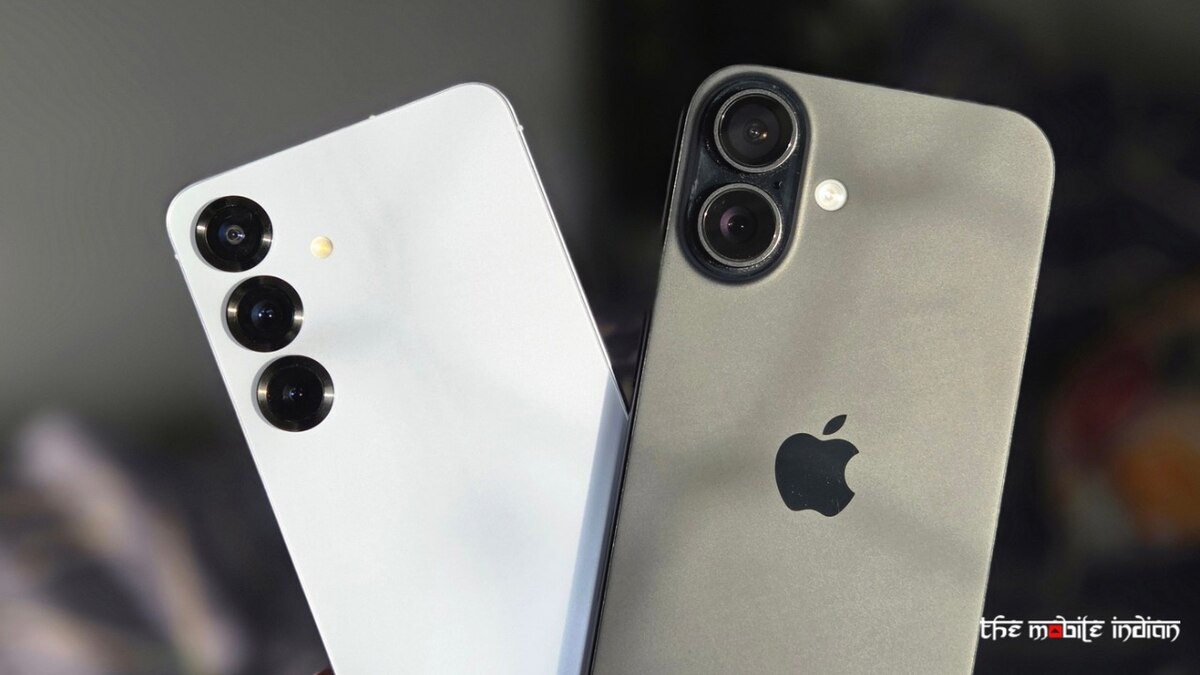
The camera war continues, but 2026 feels more about refinement than radical leaps. The iPhone 16 Pro Max offers a refined 48MP main sensor with improved low-light performance and a new 5x optical zoom telephoto lens. Photos are consistently excellent, with Apple’s signature natural color science. Samsung’s Galaxy S25 Ultra doubles down with a 200MP main sensor and a versatile quad-camera setup, including two telephoto lenses (3x and 10x optical zoom). While the S25 Ultra can capture more detail in ideal conditions, its AI processing can sometimes over-sharpen images. For video, the iPhone 16 Pro Max’s ‘ProRes Log’ recording is still the pro’s choice for flexibility in post-production, but Samsung’s 8K video recording at 30fps is incredibly sharp and offers more AI-driven stabilization. For most people, both will take stunning photos and videos, but the S25 Ultra offers more zoom flexibility, while the iPhone 16 Pro Max provides a more consistent, natural look out-of-the-box.
Zoom Capabilities
Samsung’s commitment to optical zoom is unmatched. The dual telephoto lenses on the S25 Ultra provide incredible versatility, allowing you to get much closer to subjects without significant quality loss. The iPhone 16 Pro Max’s 5x optical zoom is good, but it can’t compete with the reach of the S25 Ultra’s 10x lens.
Low Light and Computational Photography
Both phones excel in low light thanks to larger sensors and advanced computational photography. Apple’s ‘Photonic Engine’ continues to impress with its ability to pull detail from shadows without introducing excessive noise. Samsung’s AI-driven night mode is also powerful, though sometimes it can produce images that look a bit too processed for my taste. It’s a trade-off between natural fidelity and artificial enhancement.
Design and Display: Familiar Evolution
Don’t expect radical redesigns. The iPhone 16 Pro Max retains its flat-edged aesthetic with a titanium frame, and Apple has slightly slimmed the bezels around its 6.7-inch Super Retina XDR display. The Dynamic Island remains, now with more interactive widgets powered by iOS 18. Samsung’s Galaxy S25 Ultra features a slightly more rounded design for better ergonomics, a move I welcome. Its 6.8-inch Dynamic AMOLED 2X display is stunning, with vibrant colors and incredible contrast. Both phones feature durable glass (Ceramic Shield for iPhone, Gorilla Glass Victus 3 for Samsung) and IP68 water resistance. The S25 Ultra’s display offers a higher peak brightness, making it slightly better for outdoor viewing, but the iPhone’s screen is still exceptionally good. The biggest design change for Samsung is the removal of the physical S Pen silo on the standard S25, with the S Pen now being an optional accessory for $79, a move that will surely frustrate some power users.
Ergonomics and Build Quality
The S25 Ultra’s subtly curved edges make it more comfortable to hold for extended periods compared to the iPhone 16 Pro Max’s sharper corners. Both feel incredibly premium, but Samsung’s design feels more refined for daily handling. The removal of the integrated S Pen is a significant design shift for Samsung, impacting its ‘note-taking’ appeal.
Display Technology
Both displays are state-of-the-art, offering 120Hz adaptive refresh rates and superb color accuracy. Samsung edges out Apple slightly in peak brightness, making HDR content pop even more and improving outdoor visibility. However, Apple’s ProMotion technology and color calibration are still among the best in the business.
Pricing and Value: The Elephant in the Room
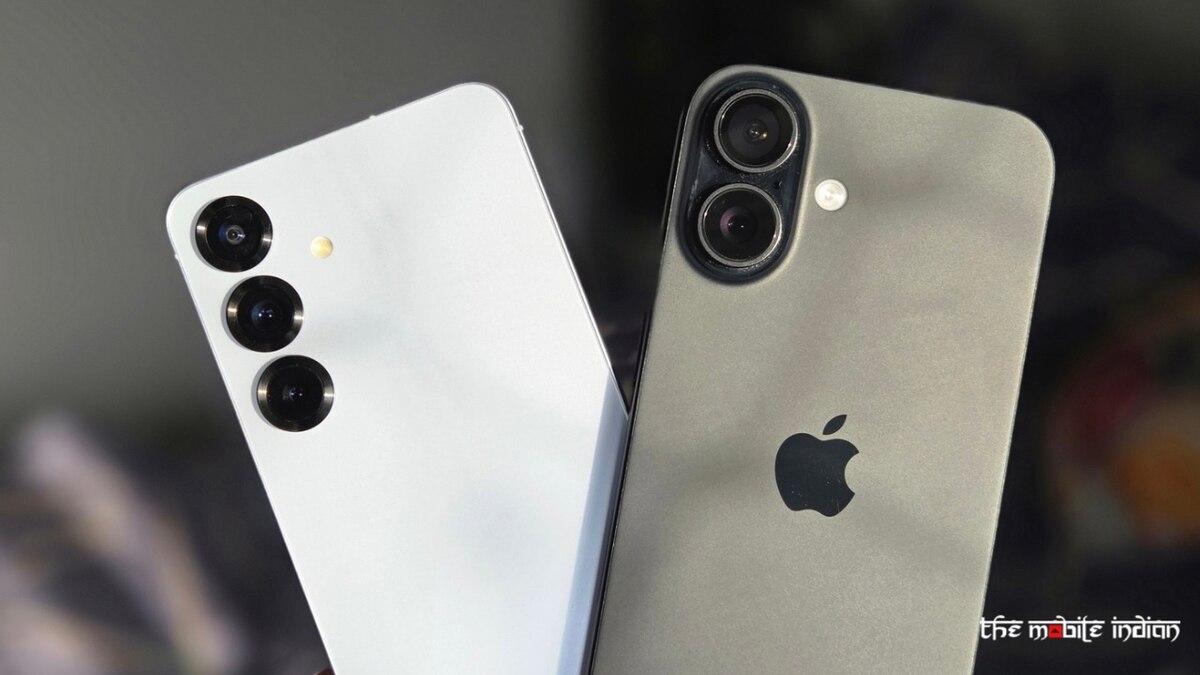
Here’s where things get interesting. The iPhone 16 Pro Max starts at $1199 for 256GB, while the Galaxy S25 Ultra starts at $1299 for 256GB. On the surface, Samsung is $100 more expensive. However, Samsung is offering a $150 trade-in bonus for any smartphone older than 2 years, effectively making the S25 Ultra cheaper for many. Apple’s ecosystem lock-in remains a strong selling point for existing users, but for new adopters or those looking for more raw power and AI features, Samsung’s aggressive pricing strategy and trade-in deals are hard to ignore. The Pixel 9 Pro, starting at $999, also remains a compelling alternative, especially for its Google AI integrations and cleaner Android experience. Ultimately, the ‘better value’ depends on your priorities and current device. If you’re deep in the Apple ecosystem, the iPhone 16 Pro Max is the natural, albeit pricey, choice. If you crave cutting-edge AI, more hardware flexibility, and potentially a better deal, the S25 Ultra is compelling.
Trade-in Deals and Bundles
Samsung’s $150 trade-in bonus for older devices (launched March 2026) is a significant incentive. Apple typically offers more modest trade-in values. Keep an eye out for carrier deals, as they can significantly impact the final price for both devices. Many carriers are offering 24-month financing with zero down payment for qualified buyers.
Storage Tiers and Cost
Both phones offer up to 1TB of storage. The iPhone 16 Pro Max tops out at $1599 for 1TB. The Galaxy S25 Ultra reaches $1699 for 1TB. Samsung’s higher starting price and top-tier price point make it more expensive on paper, but the aggressive promotional offers often bridge the gap.
⭐ Pro Tips
- Enable ‘Smart Summary’ on your iPhone 16 Pro Max to get quick digests of articles and emails, saving you time.
- On your Galaxy S25 Ultra, explore ‘Circle to Search’ by long-pressing the home button – it’s faster than you think for identifying anything on screen.
- Trade in your old phone to Samsung before April 30, 2026, to get an extra $150 off your Galaxy S25 Ultra purchase, bringing its effective starting price to $1149.
- Before switching from iPhone to Samsung, back up your iMessage history using a third-party tool like ‘AnyTrans’ ($39.99 one-time purchase) to preserve your conversations.
- Don’t get caught in the trap of disabling all AI features to save battery; learn which AI functions drain power the most (usually real-time translation and generative editing) and use them judiciously.
Frequently Asked Questions
iPhone 16 vs Samsung S25 which camera is better?
For natural-looking photos and superior video flexibility, the iPhone 16 Pro Max is great. The Samsung S25 Ultra offers more zoom versatility and advanced AI editing features for photos, capturing more detail in good light.
How much does the iPhone 16 Pro Max cost?
The iPhone 16 Pro Max starts at $1199 for 256GB, going up to $1599 for 1TB. Prices vary based on storage and any ongoing promotions.
Is Samsung Galaxy S25 Ultra better than iPhone 16?
For AI features, faster charging, and camera zoom, the S25 Ultra is arguably better. The iPhone 16 Pro Max excels in ecosystem integration, raw single-core performance, and consistent, natural photo output.
When can I buy the iPhone 16 and Samsung S25?
Both the iPhone 16 series and Samsung Galaxy S25 series were released in September 2025 and are widely available now through major carriers and retailers in the US, UK, Canada, and Australia.
Is the AI on the iPhone 16 good for privacy?
Apple emphasizes on-device AI processing for the iPhone 16, which enhances privacy by keeping data local. However, some cloud-dependent AI features still exist, so reviewing Apple’s privacy policy is recommended.
Final Thoughts
The iPhone 16 Pro Max and Samsung Galaxy S25 Ultra are both phenomenal devices, but they cater to slightly different users in 2026. Apple’s strength lies in its seamless ecosystem, refined user experience, and natural-looking photography. Samsung wins on raw AI power, charging speed, and camera zoom versatility, often with better promotional pricing. If you’re already invested in Apple’s world, the iPhone 16 Pro Max is a safe, albeit expensive, bet. However, if you want to push the boundaries of AI on your phone and appreciate hardware flexibility, the Galaxy S25 Ultra, especially with its current trade-in offers, is incredibly compelling. My advice? If you can, try both in a store. If not, consider your current ecosystem and whether Samsung’s aggressive deals outweigh Apple’s polish for your daily needs. Don’t wait too long; those Samsung trade-in deals won’t last forever.




GIPHY App Key not set. Please check settings