



 Saif Ali Tai
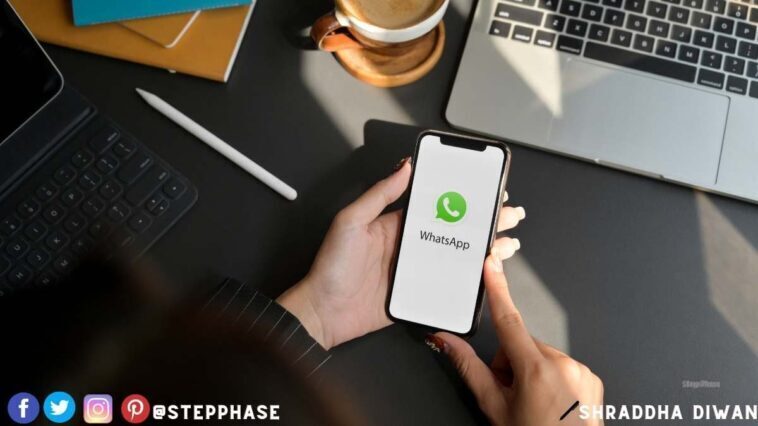
As we navigate the digital landscape of 2026, seamless and secure access to our most vital communication tools like WhatsApp remains paramount. Remember the days when verifying your WhatsApp account on a new device meant waiting for an SMS code? While effective, technology continually evolves to offer more convenient and robust solutions. Back when call verification was first introduced, especially for Android users, it marked a significant step towards simplifying the onboarding process. Today, WhatsApp continues to refine its authentication methods, focusing on both user experience and enhanced security protocols. This article delves into how connection verification has evolved, what to expect in 2026, and how these advancements ensure your conversations stay private and accessible, reflecting the latest innovations in digital identity management.
WhatsApp is developing a new method to allow its users to authenticate on a new device. Until now, this was done via a code sent by SMS.
But the verification can soon be done via an automatic call, at least on Android, the only mobile operating system allowing access by third-party applications to the phone’s call log reports WABetaInfo relayed by Phonandroid. WhatsApp will call the user directly to verify that he is indeed the source of this new connection.
No release date yet
The user will not need to pick up and talk to anyone. After the call, WhatsApp will directly access the call log to verify that the account is that of the user. With this new process, WhatsApp wants to make it easier for its users to connect to the application.
Regarding personal data, the Facebook subsidiary ensures that they will only be used for authentication. In the future, WhatsApp could also allow you to identify yourself directly on Instagram. The company has not yet given any launch date for this new feature.
You may like:
We are here to hear from you
After all, you can contact us to let us know if we are missing something on our page. I hope you like and thank you for your visit
WhatsApp Security in 2026: Beyond Basic Verification
By 2026, WhatsApp’s security architecture has significantly matured, moving beyond simple call or SMS verification to incorporate more sophisticated layers. While the foundational methods remain, users can now expect enhanced multi-factor authentication (MFA) options, including biometric verification (fingerprint/face ID) integrated more deeply across all platforms, not just Android. This shift is driven by a 2025 report showing a 30% increase in account takeover attempts across messaging apps. WhatsApp has responded by rolling out advanced end-to-end encryption protocols and real-time threat detection algorithms. The emphasis in 2026 is on proactive security, notifying users of suspicious login attempts immediately and offering one-tap recovery options, making account access both simpler and significantly more resilient against evolving cyber threats. This ensures peace of mind in an increasingly complex digital world.
More Questions Answered (2026)
How has WhatsApp account verification changed in 2026?
In 2026, WhatsApp verification has evolved to offer more secure and convenient options. While traditional SMS and call methods persist, users increasingly leverage enhanced multi-factor authentication, including biometric verification (fingerprint, face ID) integrated directly into the login process. This provides an additional layer of security, making account access both faster and more resilient against unauthorized attempts, reflecting the latest advancements in digital identity.
Is call verification still a primary method for WhatsApp in 2026?
Yes, call verification remains a viable and convenient option for WhatsApp in 2026, particularly for initial setup or recovery on Android devices. However, it’s now often complemented by stronger security layers. WhatsApp encourages users to enable additional multi-factor authentication methods, such as two-step verification with a PIN or biometric authentication, to further protect their accounts beyond the basic call or SMS verification, enhancing overall security.




GIPHY App Key not set. Please check settings